


Autonomized flaps in secondary head and neck reconstructions
- PMID: 23326014
- PMCID: PMC3546399
Autonomized flaps in secondary head and neck reconstructions
Abstract
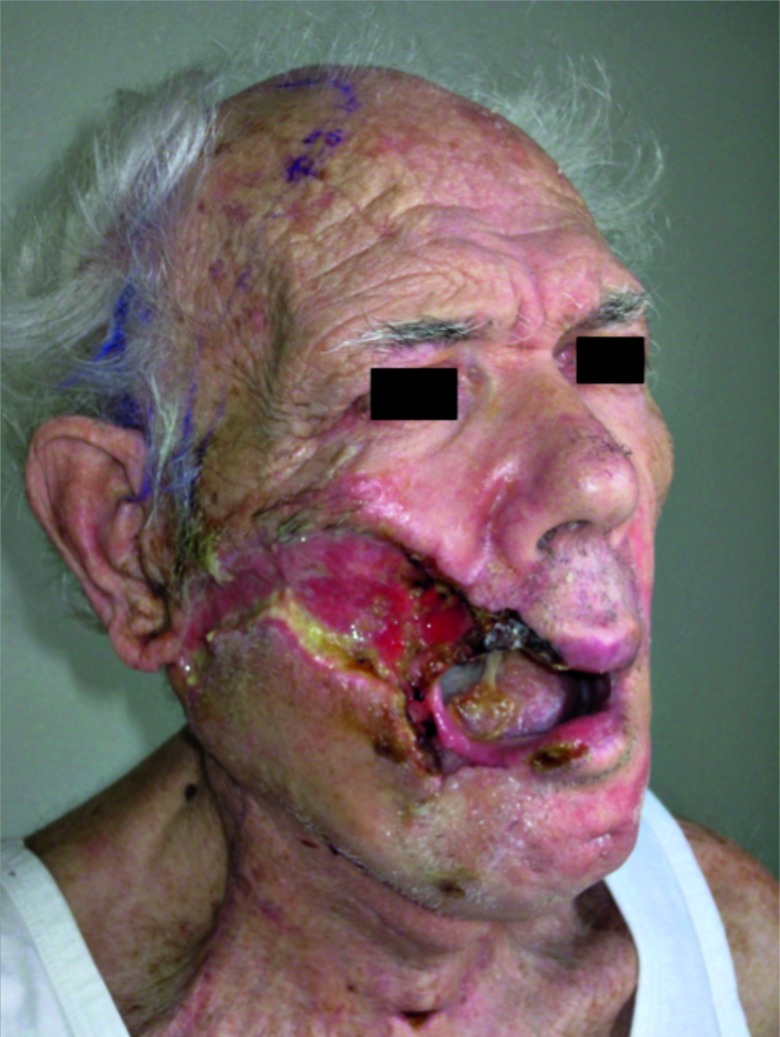
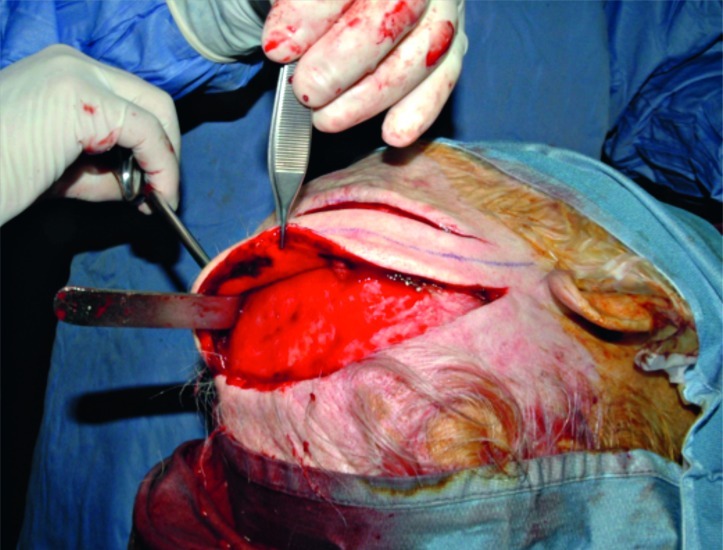
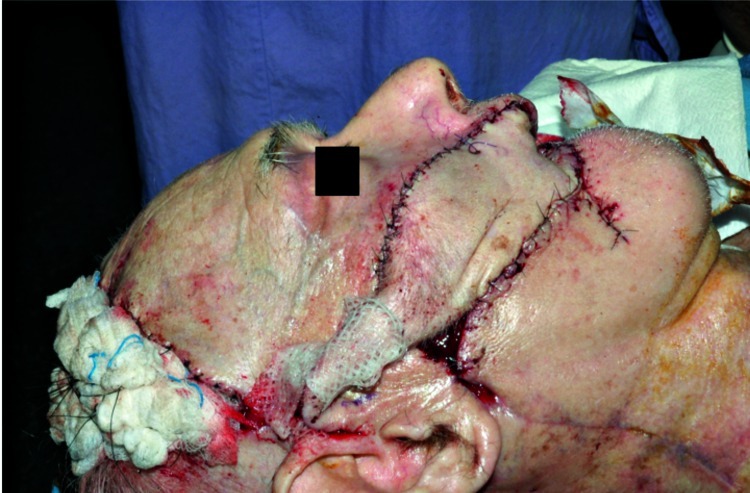
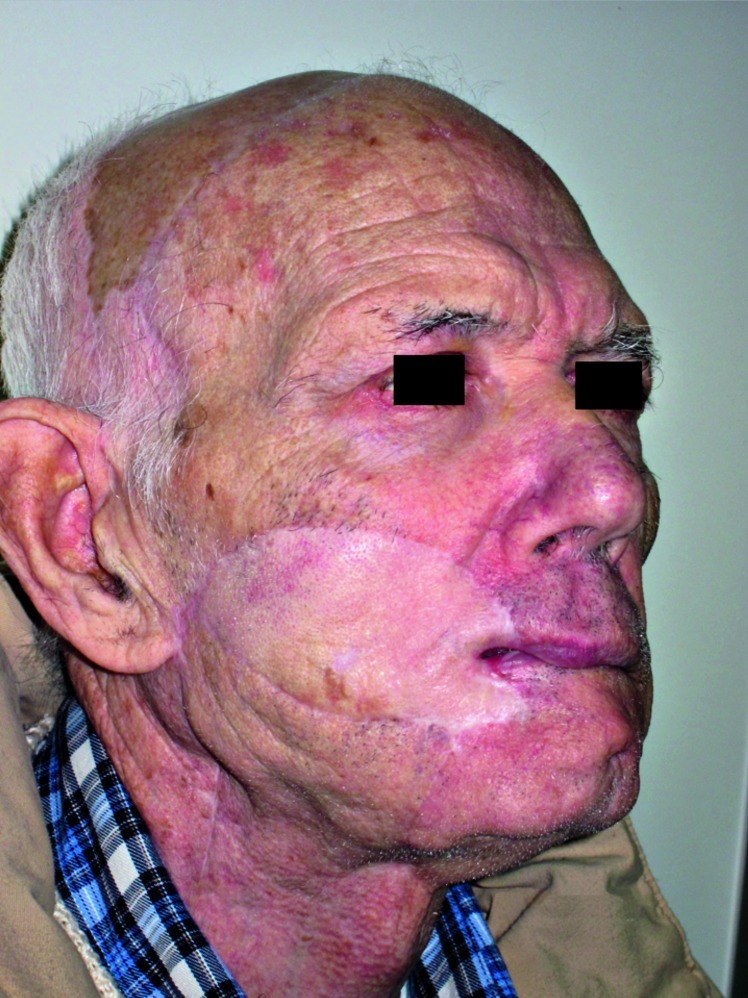
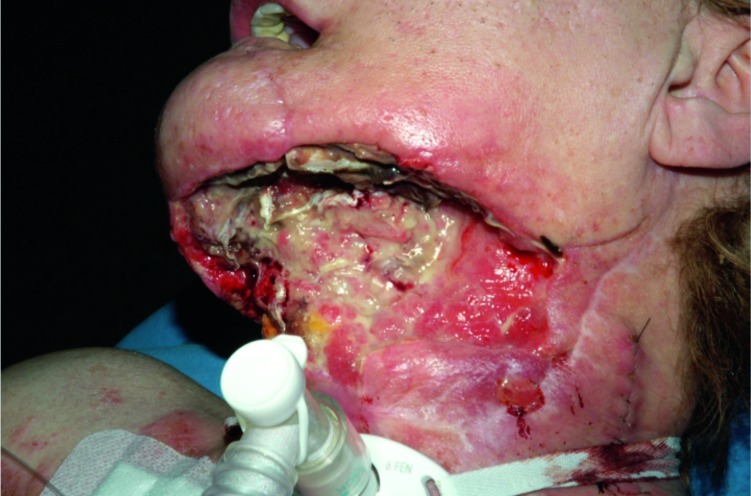
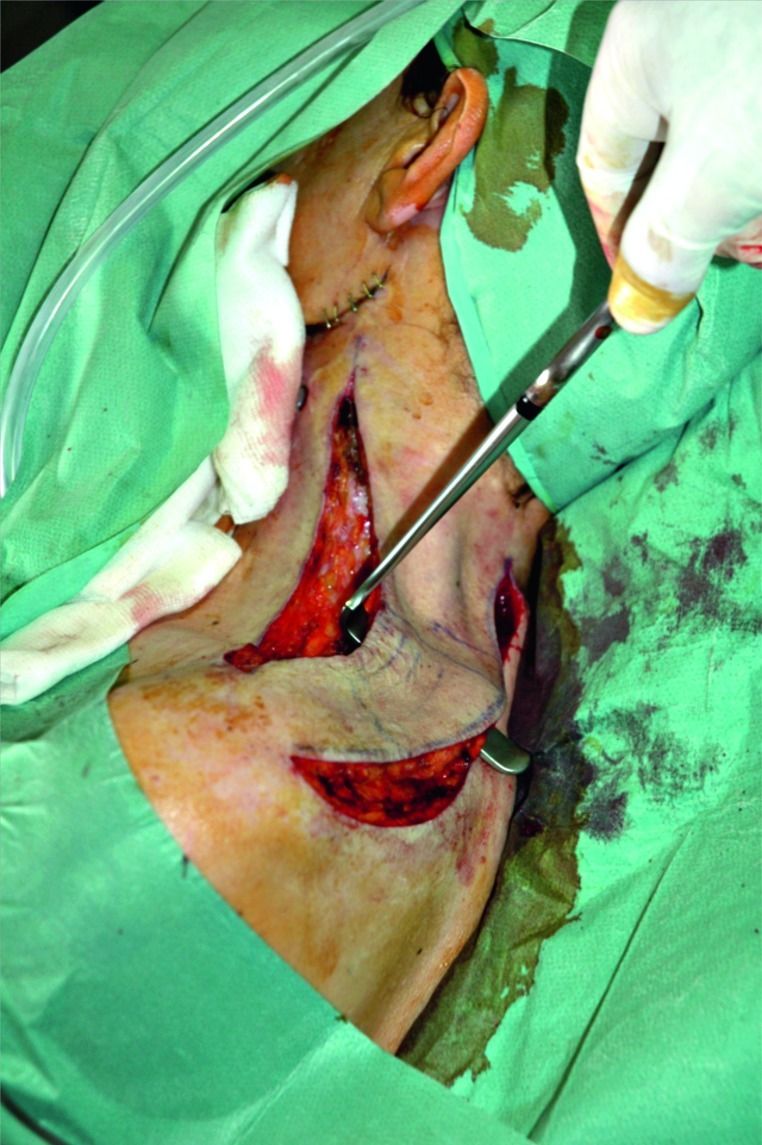
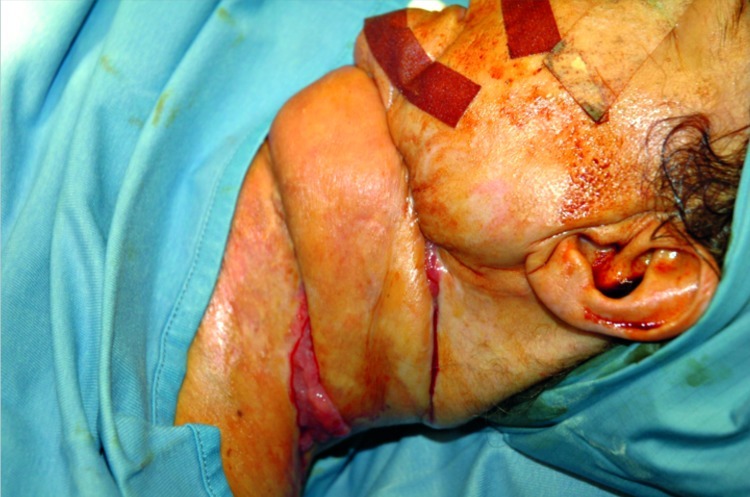
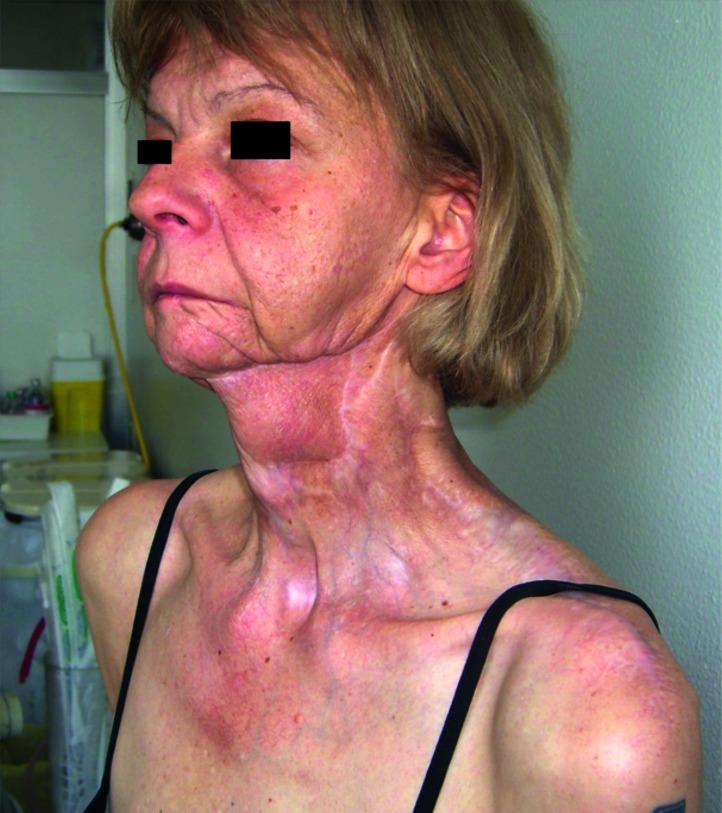
Free flaps, with their very high rates of success and low donor site morbidity, are considered the gold standard in head and neck reconstruction, allowing the transfer of ideal tissues for head and neck reconstruction. Nonetheless, under certain circumstances they may be contraindicated or cannot be utilized. We describe four subjects in which delayed locoregional flaps were used to reconstruct head and neck defects after a previous flap failure. Due to adverse anatomic and systemic conditions these patients were not suitable for a free flap, and thus one delayed prelaminated temporalis fasciocutaneous flap placement and three delayed supraclavicular flap (one of which was prelaminated) placements to reconstruct large defects of the cheek and commissural region needed to be performed. All flaps and grafts were viable. All patients in this case series had acceptable functional and aesthetic outcomes. Donor-site morbidity was negligible. Delayed locoregional flap placement required a total of three surgical sessions. Although limited, our experience suggests that in cases in which a free flap is contraindicated or not ideal, locoregional flaps may be a valid and safe alternative. Limitations of these procedures include increased duration of hospitalization and, foremost, the need for three-step surgery.
RIASSUNTOI lembi microvascolari rappresentano il gold standard nelle ricostruzioni cervico-cefaliche essendo affidabili e consentendo il trasferimento con tessuti ideali, pur mantenendo ridotti livelli di morbidità del sito donatore. Nel presente lavoro vengono descritti 4 casi di ricostruzioni cervico-cefaliche con lembi locoregionali autonomizzati dopo fallimento di precedenti lembi ricostruttivi. In questi pazienti l'uso di lembi liberi non era possibile per controindicazioni locali o sistemiche. La casistica consiste di un lembo prelaminato fasciocutaneo temporale e tre lembi autonomizzati sopraclavicolari (uno di questi era prelaminato) per ricostruire deficit maggiori cervico-facciali. Tutti i lembi e gli innesti sopravvivevano interamente. Risultati morfo-funzionali accettabili venivano raggiunti in tutti i pazienti della casistica. La morbidità dei siti donatori era trascurabile. L'esecuzione dei lembi locoregionali autonomizzati richiedeva un totale di 3 interventi chirurgici. La nostra esperienza suggerisce che nei rari casi in cui i lembi liberi siano controindicati o non ideali, i lembi locoregionali possono ancora rappresentare una alternativa valida e sicura. L'aumento dei tempi di degenza e la necessità di tre tempi chirurgici rappresentano la maggiore limitazione di queste procedure.
Keywords: Delayed flap; Free flap failure; Locoregional flap.
Figures
References
-
- Autelitano L, Colletti G, Bazzacchi R, et al. Ossification of vascular pedicle in fibular free flaps: a report of four cases. Int J Oral Maxillofac Surg. 2008;37:669–671. - PubMed
Publication types
MeSH terms
LinkOut - more resources
Full Text Sources
Medical