


3,3'-Diindolylmethane protects against cardiac hypertrophy via 5'-adenosine monophosphate-activated protein kinase-α2
- PMID: 23326427
- PMCID: PMC3541184
- DOI: 10.1371/journal.pone.0053427
3,3'-Diindolylmethane protects against cardiac hypertrophy via 5'-adenosine monophosphate-activated protein kinase-α2
Abstract
Purpose: 3,3'-Diindolylmethane (DIM) is a natural component of cruciferous plants. It has strong antioxidant and anti-angiogenic effects and promotes the apoptosis of a variety of tumor cells. However, little is known about the critical role of DIM on cardiac hypertrophy. In the present study, we investigated the effects of DIM on cardiac hypertrophy.
Methods: Multiple molecular techniques such as Western blot analysis, real-time PCR to determine RNA expression levels of hypertrophic, fibrotic and oxidative stress markers, and histological analysis including H&E for histopathology, PSR for collagen deposition, WGA for myocyte cross-sectional area, and immunohistochemical staining for protein expression were used.
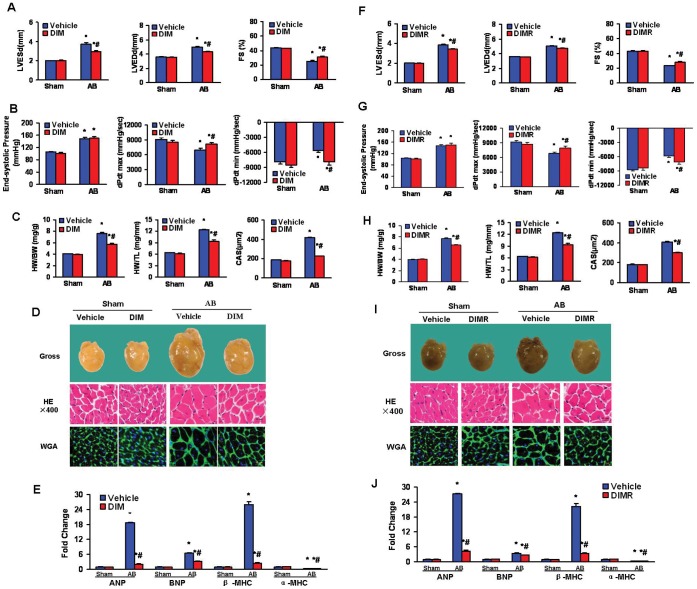
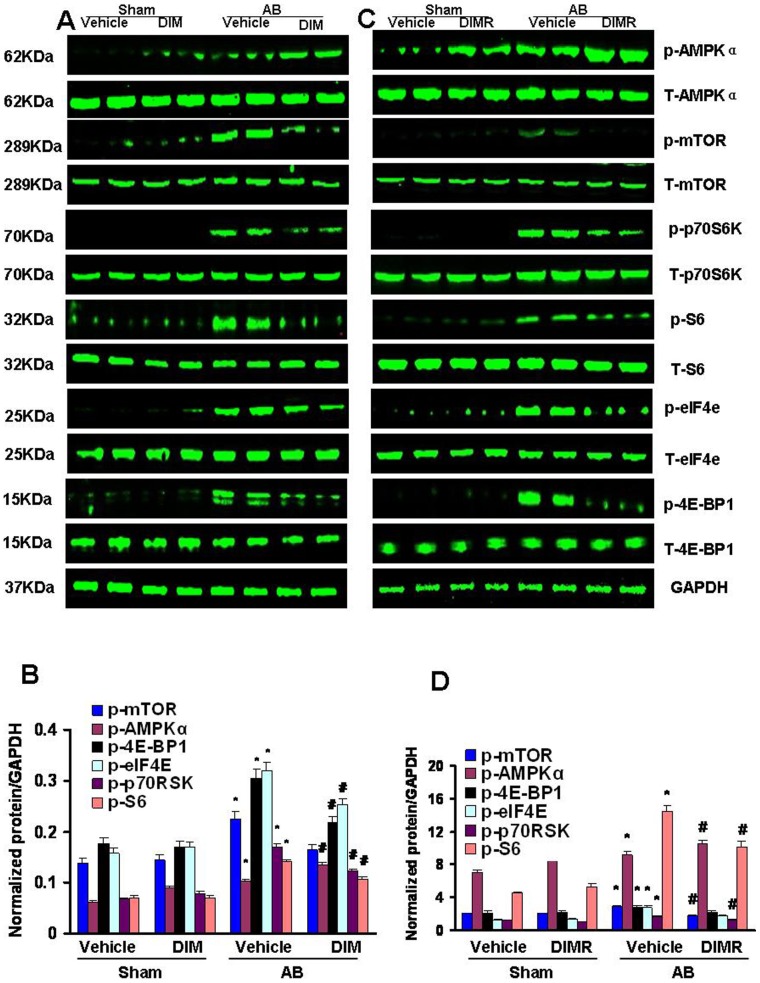
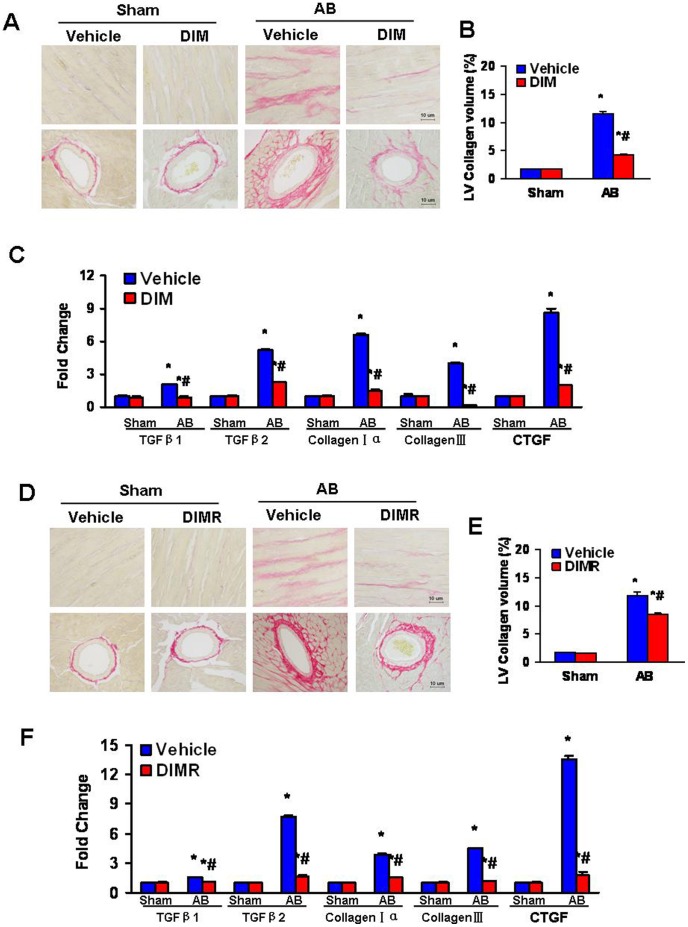
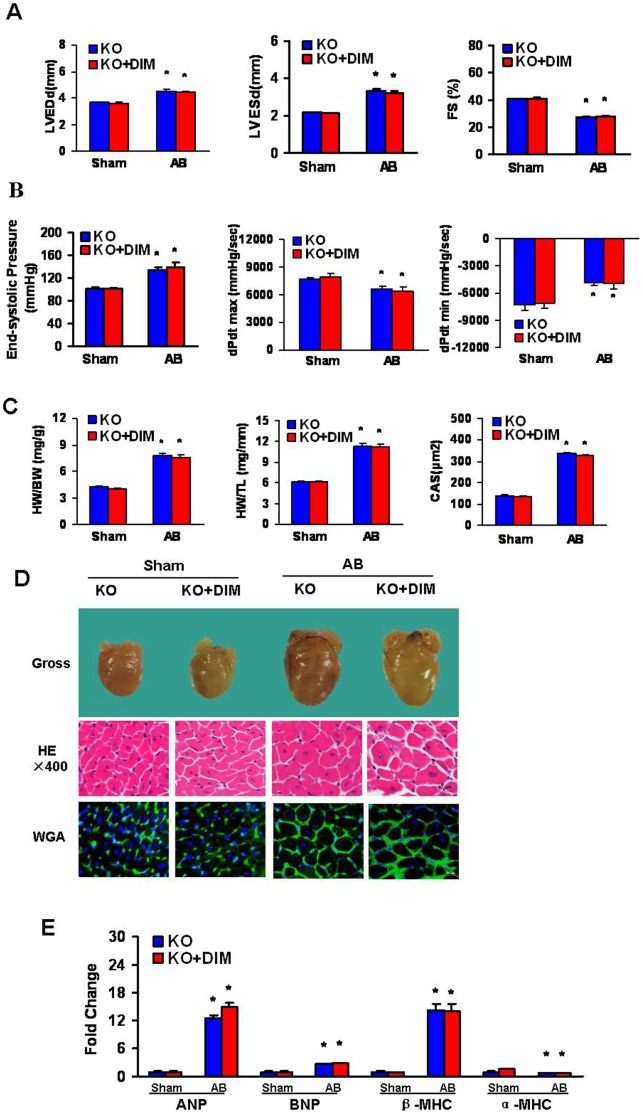
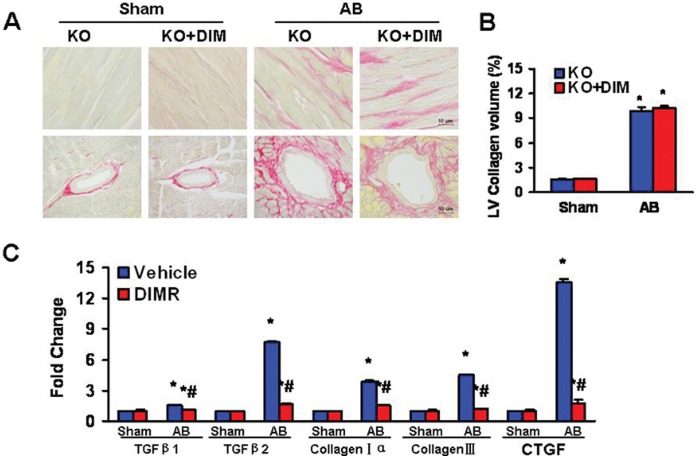
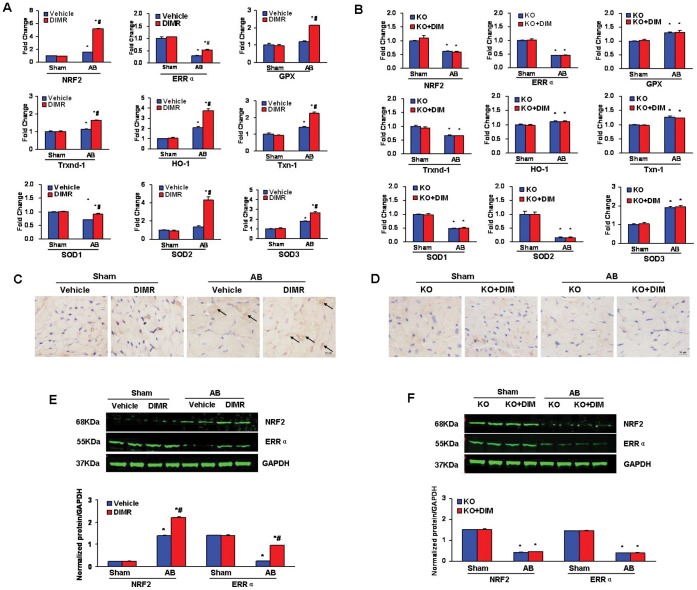
Results: In pre-treatment and reverse experiments, C57/BL6 mouse chow containing 0.05% DIM (dose 100 mg/kg/d DIM) was administered one week prior to surgery or one week after surgery, respectively, and continued for 8 weeks after surgery. In both experiments, DIM reduced to cardiac hypertrophy and fibrosis induced by aortic banding through the activation of 5'-adenosine monophosphate-activated protein kinase-α2 (AMPKα2) and inhibition of mammalian target of the rapamycin (mTOR) signaling pathway. Furthermore, DIM protected against cardiac oxidative stress by regulating expression of estrogen-related receptor-alpha (ERRα) and NRF2 etc. The cardioprotective effects of DIM were ablated in mice lacking functional AMPKα2.
Conclusion: DIM significantly improves left ventricular function via the activation of AMPKα2 in a murine model of cardiac hypertrophy.
Conflict of interest statement
Figures
References
-
- Gupta S, Das B, Sen S (2007) Cardiac hypertrophy: mechanisms and therapeutic opportunities. Antioxid Redox Signal 9: 623–652. - PubMed
-
- Barry SP, Davidson SM, Townsend PA (2008) Molecular regulation of cardiac hypertrophy. Int J Biochem Cell Biol 40: 2023–2039. - PubMed
-
- Balakumar P, Singh AP, Singh M (2007) Rodent models of heart failure. J Pharmacol Toxicol Methods 56: 1–10. - PubMed
-
- Li Y, Wang Z, Kong D, Murthy S, Dou QP, et al. (2007) Regulation of FOXO3a/beta-catenin/GSK-3beta signaling by 3,3′-diindolylmethane contributes to inhibition of cell proliferation and induction of apoptosis in prostate cancer cells. J Biol Chem 282: 21542–21550. - PubMed
Publication types
MeSH terms
Substances
LinkOut - more resources
Full Text Sources
Other Literature Sources
Miscellaneous
