


Hydrogen improves glycemic control in type1 diabetic animal model by promoting glucose uptake into skeletal muscle
- PMID: 23326534
- PMCID: PMC3542317
- DOI: 10.1371/journal.pone.0053913
Hydrogen improves glycemic control in type1 diabetic animal model by promoting glucose uptake into skeletal muscle
Erratum in
- PLoS One. 2013;8(4). doi: 10.1371/annotation/ea26285b-dda3-470d-a8df-241df9fbc5ad doi: 10.1371/annotation/ea26285b-dda3-470d-a8df-241df9fbc5ad
Abstract
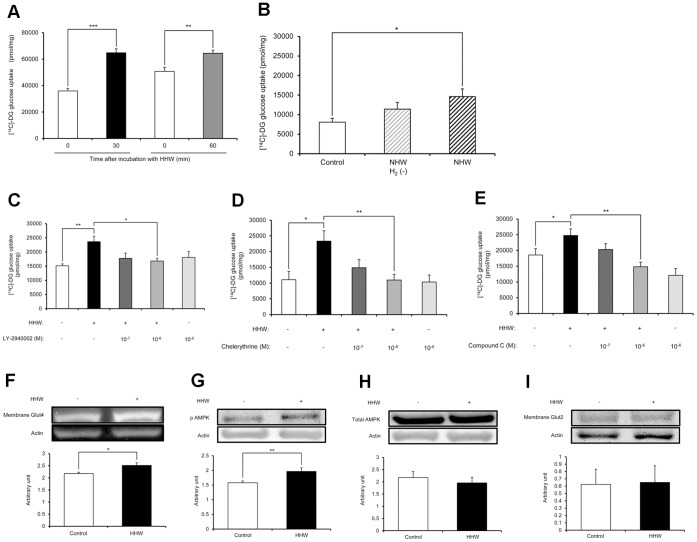
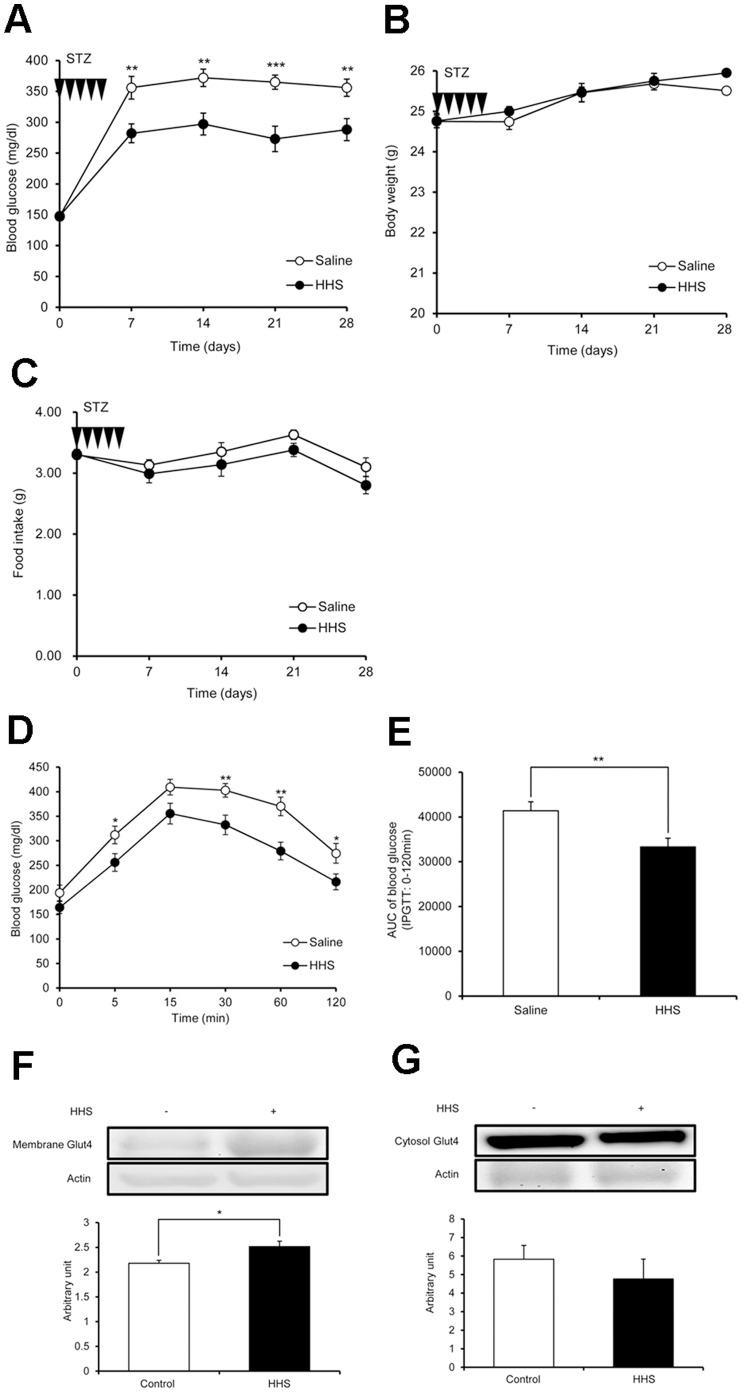
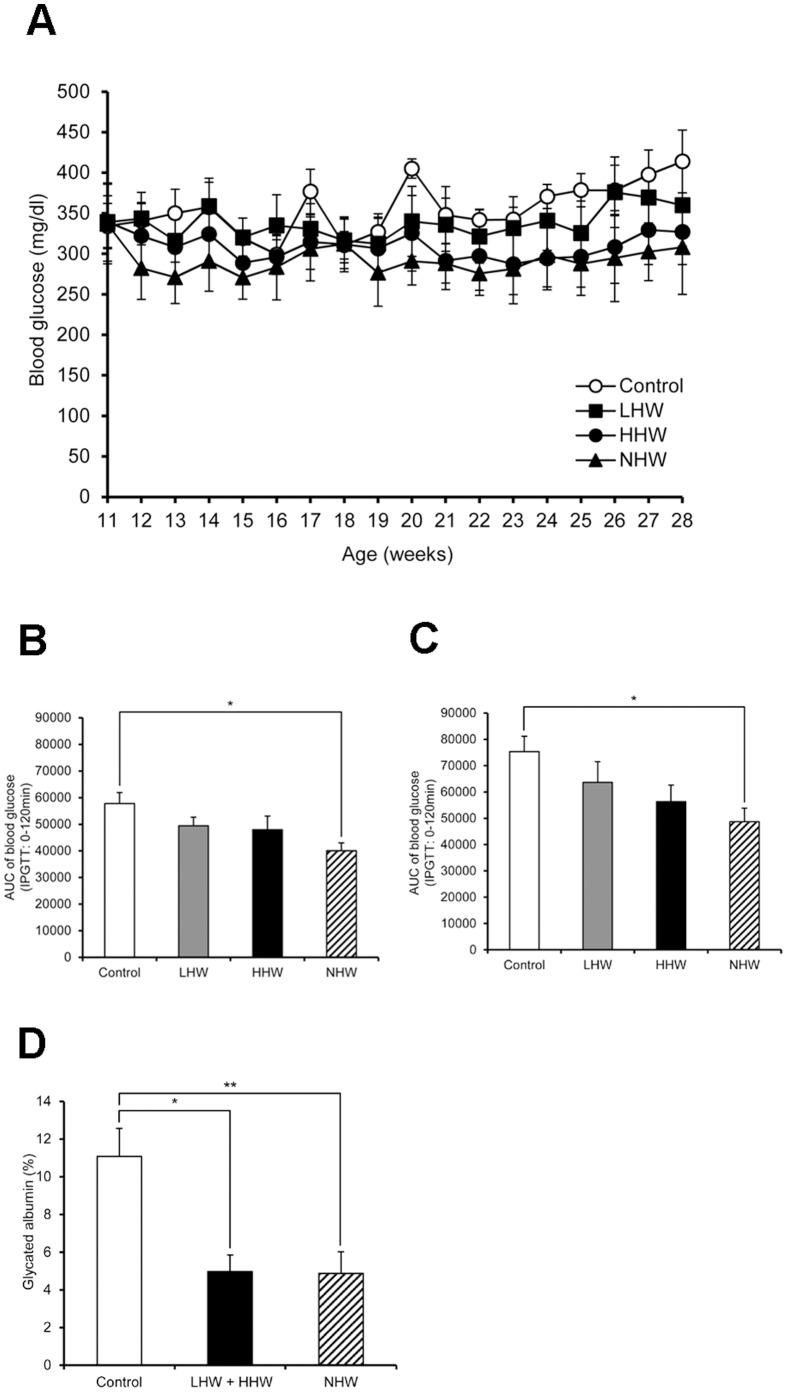
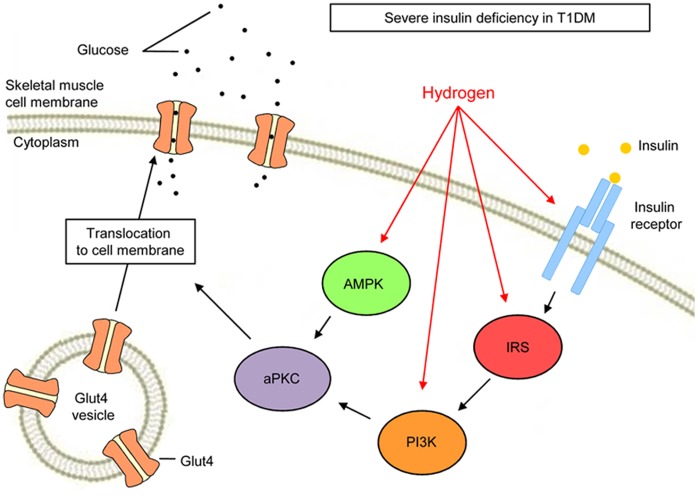
Hydrogen (H(2)) acts as a therapeutic antioxidant. However, there are few reports on H(2) function in other capacities in diabetes mellitus (DM). Therefore, in this study, we investigated the role of H(2) in glucose transport by studying cultured mouse C2C12 cells and human hepatoma Hep-G2 cells in vitro, in addition to three types of diabetic mice [Streptozotocin (STZ)-induced type 1 diabetic mice, high-fat diet-induced type 2 diabetic mice, and genetically diabetic db/db mice] in vivo. The results show that H(2) promoted 2-[(14)C]-deoxy-d-glucose (2-DG) uptake into C2C12 cells via the translocation of glucose transporter Glut4 through activation of phosphatidylinositol-3-OH kinase (PI3K), protein kinase C (PKC), and AMP-activated protein kinase (AMPK), although it did not stimulate the translocation of Glut2 in Hep G2 cells. H(2) significantly increased skeletal muscle membrane Glut4 expression and markedly improved glycemic control in STZ-induced type 1 diabetic mice after chronic intraperitoneal (i.p.) and oral (p.o.) administration. However, long-term p.o. administration of H(2) had least effect on the obese and non-insulin-dependent type 2 diabetes mouse models. Our study demonstrates that H(2) exerts metabolic effects similar to those of insulin and may be a novel therapeutic alternative to insulin in type 1 diabetes mellitus that can be administered orally.
Conflict of interest statement
Figures
References
-
- Wild S, Roglic G, Green A, Sicree R, King H (2004) Global prevalence of diabetes: estimates for the year 2000 and projections for 2030. Diabetes Care 27: 1047–1053. - PubMed
-
- Rinderknecht E, Humbel RE (1978) The amino acid sequence of human insulin-like growth factor I and its structural homology with proinsulin. J Biol Chem 253: 2769–2776. - PubMed
-
- Guler HP, Zapf J, Froesch ER (1987) Short-term metabolic effects of recombinant human insulin-like growth factor I in healthy adults. N Engl J Med 317: 137–140. - PubMed
-
- Frystyk J (2005) The growth hormone hypothesis - 2005 revision. Horm Metab Res 37 Suppl 144–48. - PubMed
Publication types
MeSH terms
Substances
LinkOut - more resources
Full Text Sources
Other Literature Sources
Medical
Miscellaneous
