


Measurement of the corpus callosum using magnetic resonance imaging in the north of iran
- PMID: 23329944
- PMCID: PMC3522367
- DOI: 10.5812/iranjradiol.4495
Measurement of the corpus callosum using magnetic resonance imaging in the north of iran
Abstract
Background: Morphometric measurements of the corpus callosum (CC) are important to have normative values according to sex, age and race/ethnicity.
Objectives: This study was done to measure the size of CC and to identify its gender- and age-related differences in the North of Iran.
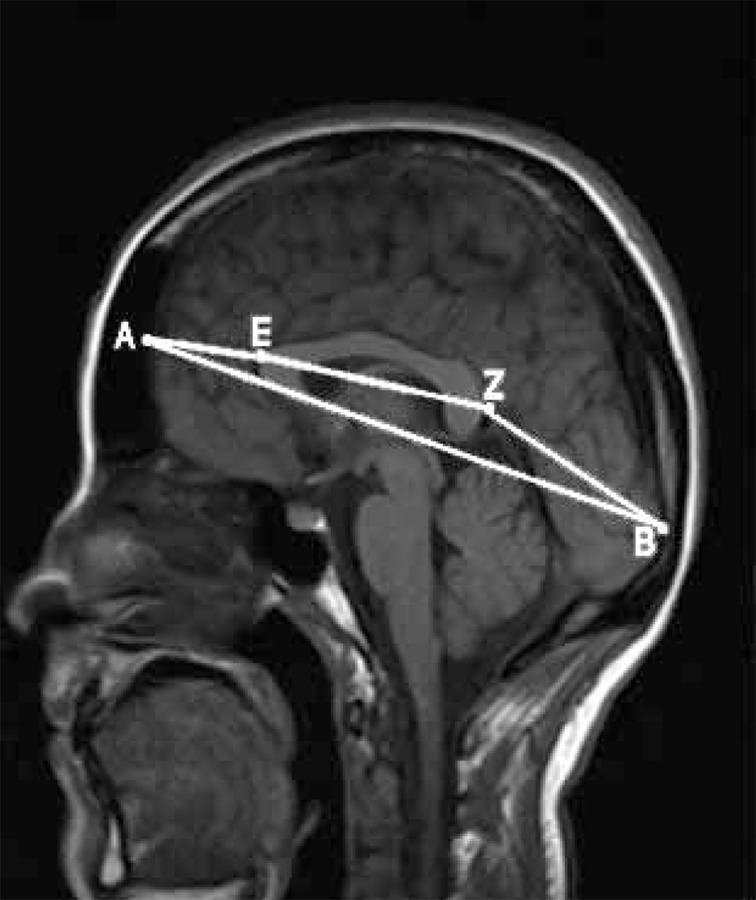
Patients and methods: The size of CC on midsagittal section was measured in 100 (45 males, 55 females) normal subjects using magnetic resonance imaging (MRI) admitted to the Kowsar MRI center in Gorgan-Northern Iran. Longitudinal and vertical dimensions of the CC, longitudinal and vertical lengths of the brain and the length of genu and splenium were measured. Data were analyzed by student's unpaired t test, ANOVA and regression analysis.
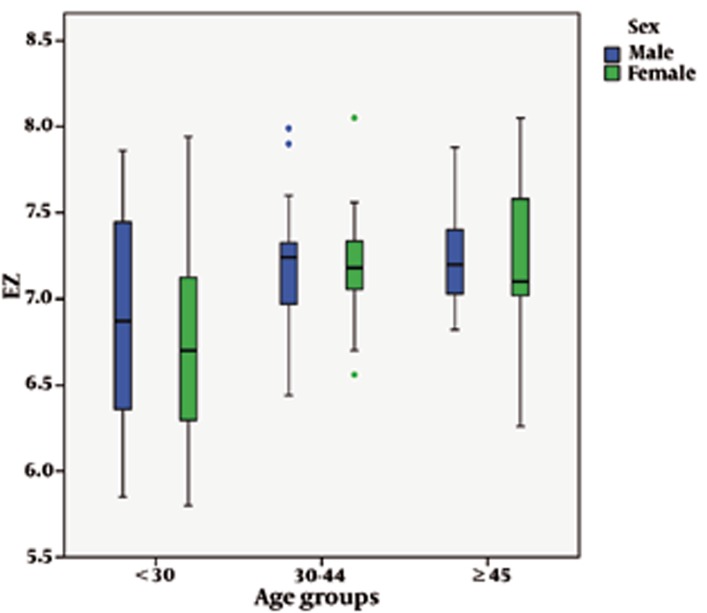
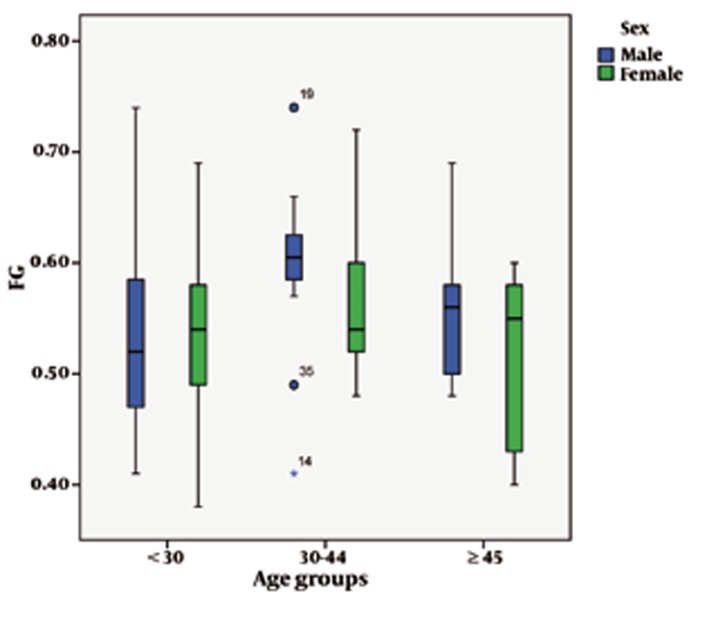
Results: The anteroposterior length and vertical dimension of the CC, the length of genu and splenium were larger in males than in females, but these differences were not significant. The anteroposterior and vertical lengths of the brain were significantly larger in males than in females (P < 0.05). The length of CC increased with age and regression equations for predicting age were derived from the length of the CC. There was also a positive significant correlation between the anteroposterior length of the CC and the length of the brain and vertical dimension of the CC.
Conclusions: This study showed that various CC parameters vary with the values documented in the Caucasian, Indian and Japanese population.
Keywords: Brain; Corpus Callosum; Iran; Magnetic Resonance Imaging; Sex.
Figures
References
-
- Mourgela S, Anagnostopoulou S, Sakellaropoulos A, Gouliamos A. An MRI study of sex-and age-related differences in the dimensions of the corpus callosum and brain. Neuroanatomy. 2007;6(1):63–5.
-
- Paul LK, Van Lancker-Sidtis D, Schieffer B, Dietrich R, Brown WS. Communicative deficits in agenesis of the corpus callosum: nonliteral language and affective prosody. Brain Lang. 2003;85(2):313–24. - PubMed
-
- Yasar AS, Monkul ES, Sassi RB, Axelson D, Brambilla P, Nicoletti MA, et al. MRI study of corpus callosum in children and adolescents with bipolar disorder. Psychiatry Res. 2006;146(1):83–5. - PubMed
-
- Teipel SJ, Bayer W, Alexander GE, Zebuhr Y, Teichberg D, Kulic L, et al. Progression of corpus callosum atrophy in Alzheimer disease. Arch Neurol. 2002;59(2):243–8. - PubMed
LinkOut - more resources
Full Text Sources