


Identification of intracellular bacteria in the basal plate of the human placenta in term and preterm gestations
- PMID: 23333552
- PMCID: PMC3740162
- DOI: 10.1016/j.ajog.2013.01.018
Identification of intracellular bacteria in the basal plate of the human placenta in term and preterm gestations
Abstract
Objective: Bacteria have been identified in different regions of the placenta. Here, we tested the hypothesis that the maternal basal plate of the placenta harbors microbes that may be associated with adverse pregnancy outcomes.
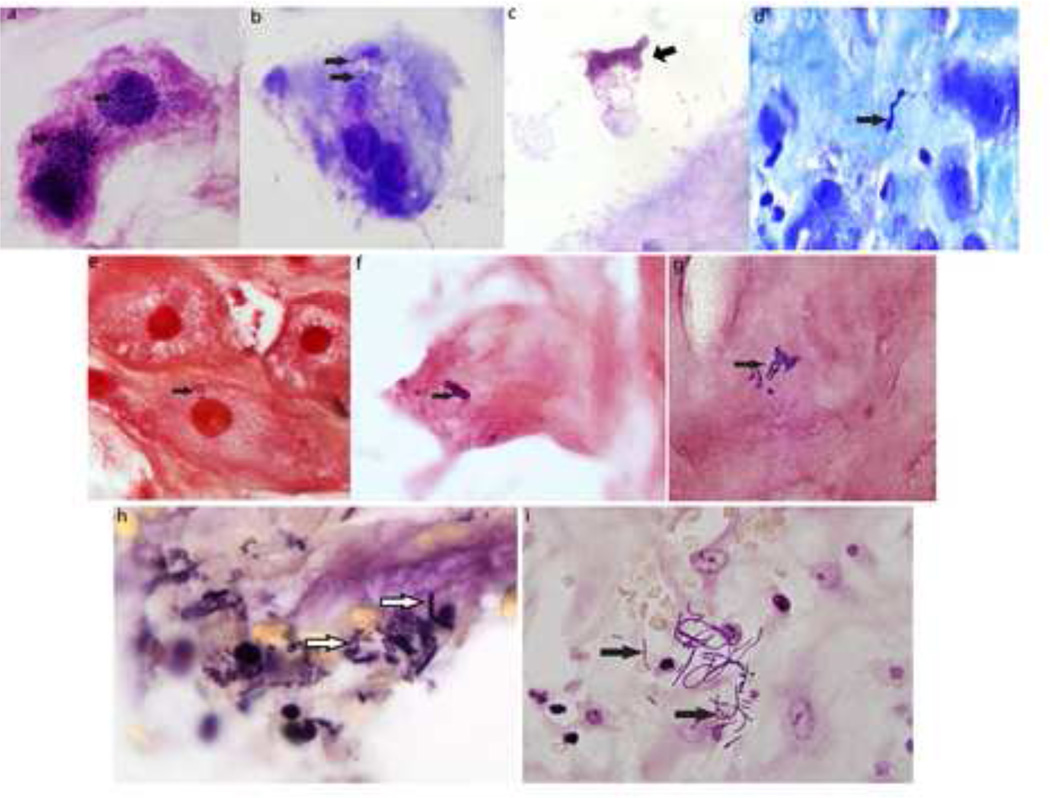
Study design: We performed a cross-sectional study of pregnancies from a single tertiary care hospital. Maternal medical and obstetric characteristics were obtained and pregnancies followed up prospectively for outcomes and placental collection. After delivery, systematic random sampling of the placental basal plate was performed. Paraffin sections of basal plates were stained with 4 histologic stains and scored for morphological evidence of bacteria.
Results: Of 195 total patients in the study, Gram-positive and -negative intracellular bacteria of diverse morphologies were documented in the basal plates of 27% of all placentas. Of the patients, 35% delivered preterm. No difference was noted between placental basal plates from preterm or term gestations. Intracellular bacteria were found in the placental basal plates of 54% spontaneous preterm deliveries <28 weeks, and in 26% of term spontaneous deliveries (P = .02). Intracellular bacteria were also documented in placentas without clinical or pathologic chorioamnionitis.
Conclusion: A total of 27% of placentas demonstrated intracellular bacteria in the placental basal plate using morphological techniques. Thus, the maternal basal plate is a possible source of intrauterine colonization and placental pathological examination could include examination for bacteria in this important maternal-fetal interface.
Copyright © 2013 Mosby, Inc. All rights reserved.
Conflict of interest statement
Figures
References
-
- Gibbs RS, Romero R, Hillier SL, Eschenbach DA, Sweet RL. A review of premature birth and subclinical infection. American Journal of Obstetrics and Gynecology. 1992;166:1515–1528. - PubMed
-
- Romero R, Sirtori M, Oyarzun E, et al. Infection and labor. V. Prevalence, microbiology, and clinical significance of intraamniotic infection in women with preterm labor and intact membranes. American Journal of Obstetrics and Gynecology. 1989;161:817–824. - PubMed
-
- Goldenberg RL, Andrews WW, Faye-Petersen O, Cliver S, Goepfert AR, Hauth JC. The Alabama Preterm Birth Project: placental histology in recurrent spontaneous and indicated preterm birth. Am J Obstet Gynecol. 2006;195:792–796. - PubMed
Publication types
MeSH terms
Grants and funding
LinkOut - more resources
Full Text Sources
Other Literature Sources
