


Altered taste and stroke: a case report and literature review
- PMID: 23340074
- PMCID: PMC3777265
- DOI: 10.1310/tsr2001-78
Altered taste and stroke: a case report and literature review
Abstract
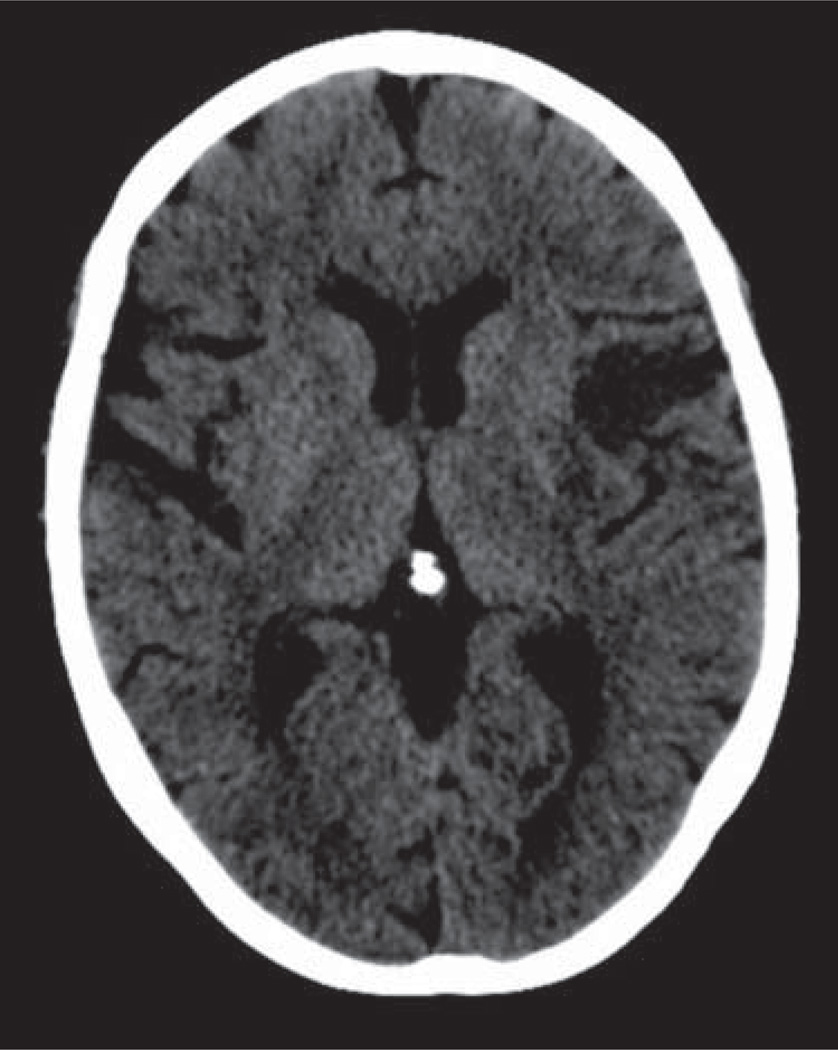
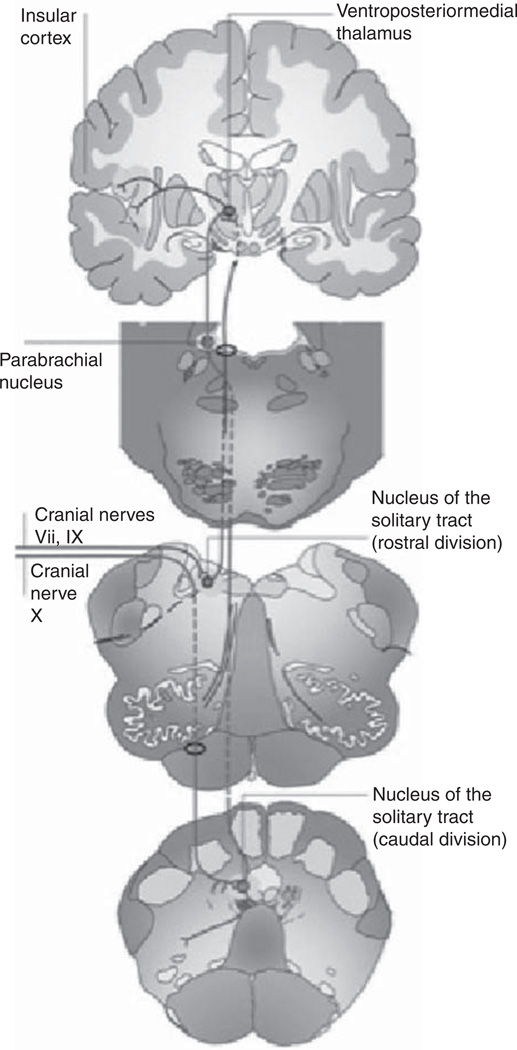
Patients with altered taste perception following stroke are at risk for malnutrition and associated complications that may impede recovery and adversely affect quality of life. Such deficits often induce and exacerbate depressive symptomatology, which can further hamper recovery. It is important for clinicians and rehabilitation specialists to monitor stroke patients for altered taste perception so that this issue can be addressed. The authors present the case of a patient who experienced an isolated ischemic infarct affecting a primary cortical taste area. This case is unusual in that the isolated injury allowed the patient to remain relatively intact cognitively and functionally, and thus able to accurately describe her taste-related deficits. The case is further used to describe the relevant neurological taste pathways and review potential taste-related therapies.
Figures
References
-
- Ropper AH, Samuels MA. Adams and Victor’s Principles of Neurology. 9th ed. New York: McGraw-Hill Medical; 2009.
-
- Goto N, Yamamoto T, Kaneko M, Tomita H. Primary pontine hemorrhage and gustatory disturbance: clinicoanatomic study. Stroke. 1983;14(4):507–511. - PubMed
-
- Nakajima Y, Utsumi H, Takahashi H. Ipsilateral disturbance of taste due to pontine haemorrhage. J Neurol. 1983;229(2):133–136. - PubMed
-
- Sunada I, Akano Y, Yamamoto S, Tashiro T. Pontine haemorrhage causing disturbance of taste. Neuroradiology. 1995;37(8):659. - PubMed
Publication types
MeSH terms
Grants and funding
LinkOut - more resources
Full Text Sources
Other Literature Sources
Medical
