


Dimensionality of brain networks linked to life-long individual differences in self-control
- PMID: 23340413
- PMCID: PMC3555568
- DOI: 10.1038/ncomms2374
Dimensionality of brain networks linked to life-long individual differences in self-control
Abstract
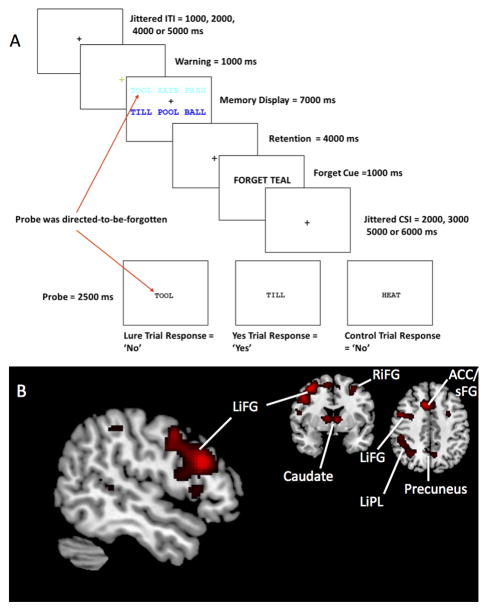
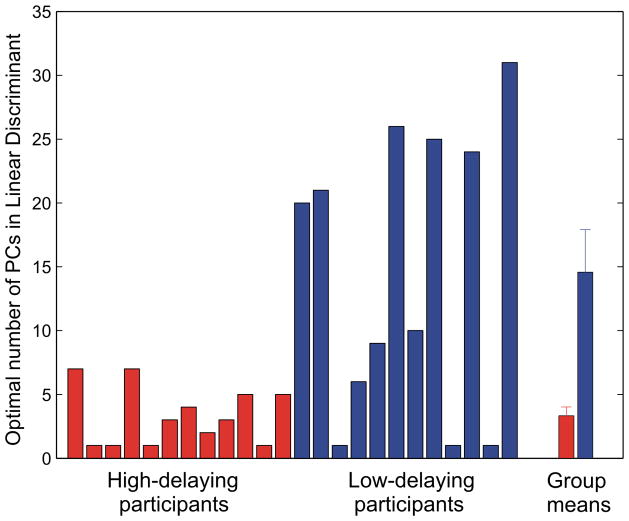
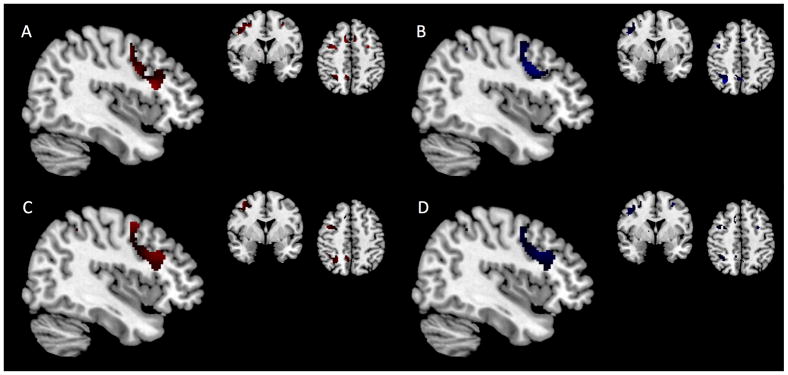
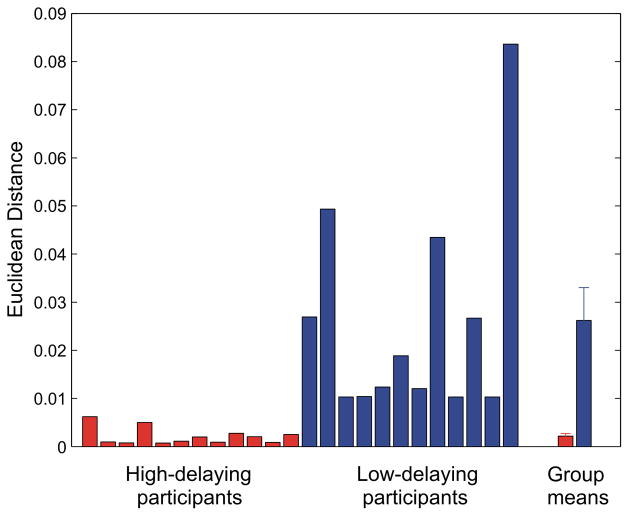
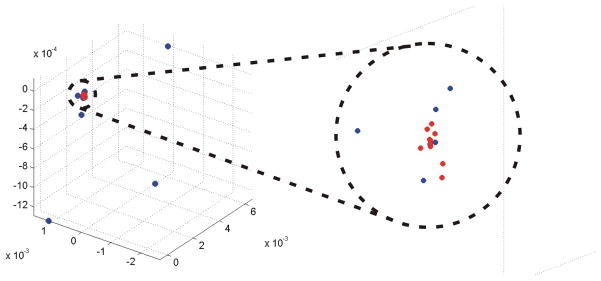
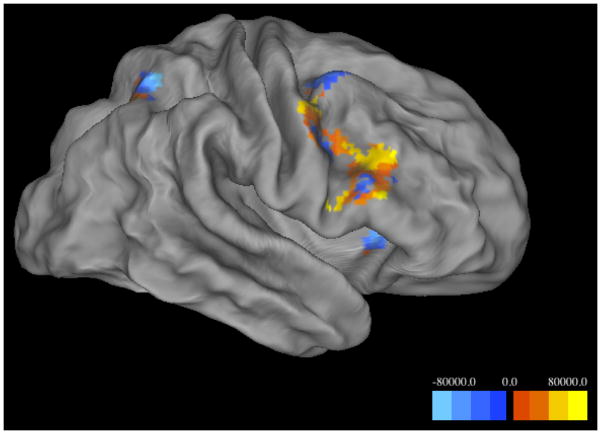
The ability to delay gratification in childhood has been linked to positive outcomes in adolescence and adulthood. Here we examine a subsample of participants from a seminal longitudinal study of self-control throughout a subject's life span. Self-control, first studied in children at age 4 years, is now re-examined 40 years later, on a task that required control over the contents of working memory. We examine whether patterns of brain activation on this task can reliably distinguish participants with consistently low and high self-control abilities (low versus high delayers). We find that low delayers recruit significantly higher-dimensional neural networks when performing the task compared with high delayers. High delayers are also more homogeneous as a group in their neural patterns compared with low delayers. From these brain patterns, we can predict with 71% accuracy, whether a participant is a high or low delayer. The present results suggest that dimensionality of neural networks is a biological predictor of self-control abilities.
Conflict of interest statement
The authors have no competing financial interests to report.
Figures
References
-
- Eigsti IM, et al. Predicting cognitive control from preschool to late adolescence and young adulthood. Psychol Sci. 2006;17:478–484. - PubMed
-
- Mischel W, Shoda Y, Rodriguez ML. Delay of gratification in children. Science. 1989;244:933–938. - PubMed
-
- Shoda Y, Mischel W, Peake PK. Predicting adolescent cognitive and self-regulatory competences from preschool delay of gratification - indentifying diagnostic conditions. Dev Psychol. 1990;26:978–986.
-
- Yourganov G, Schmah T, Small SL, Rasmussen PM, Strother SC. Functional connectivity metrics during stroke recovery. Arch Ital Biol. 2010;148:259–270. - PubMed
Publication types
MeSH terms
Grants and funding
LinkOut - more resources
Full Text Sources
Other Literature Sources
