


Temporal analysis of intratumoral metabolic heterogeneity characterized by textural features in cervical cancer
- PMID: 23340594
- PMCID: PMC3625466
- DOI: 10.1007/s00259-012-2332-4
Temporal analysis of intratumoral metabolic heterogeneity characterized by textural features in cervical cancer
Abstract
Purpose: The aim of this pilot study was to explore heterogeneity in the temporal behavior of intratumoral [(18)F]fluorodeoxyglucose (FDG) accumulation at a regional scale in patients with cervical cancer undergoing chemoradiotherapy.
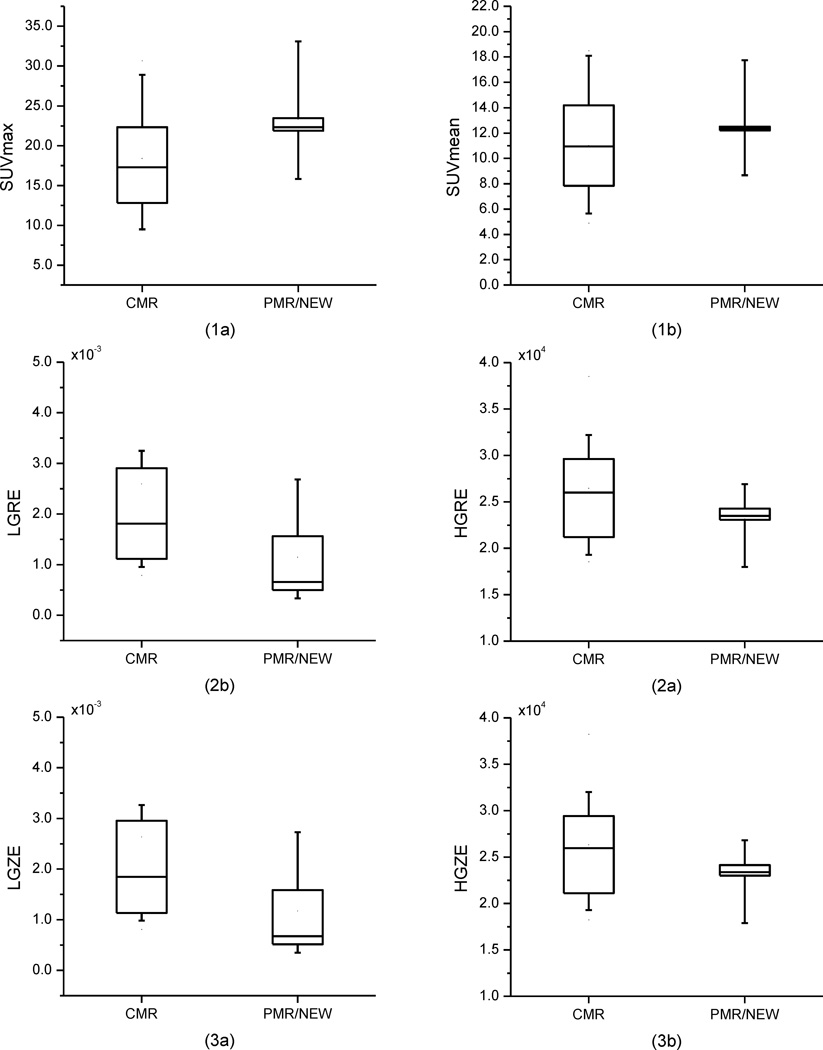
Methods: Included in the study were 20 patients with FIGO stages IB1 to IVA cervical cancer treated with combined chemoradiotherapy. Patients underwent FDG PET/CT before treatment, during weeks 2 and 4 of treatment, and 12 weeks after completion of therapy. Patients were classified based on response to therapy as showing a complete metabolic response (CMR), a partial metabolic response (PMR), or residual disease and the development of new disease (NEW). Based on the presence of residual primary tumor following therapy, patients were divided into two groups, CMR and PMR/NEW. Temporal profiles of intratumoral FDG heterogeneity as characterized by textural features at a regional scale were assessed and compared with those of the standardized uptake value (SUV) indices (SUVmax and SUVmean) within the context of differentiating response groups.
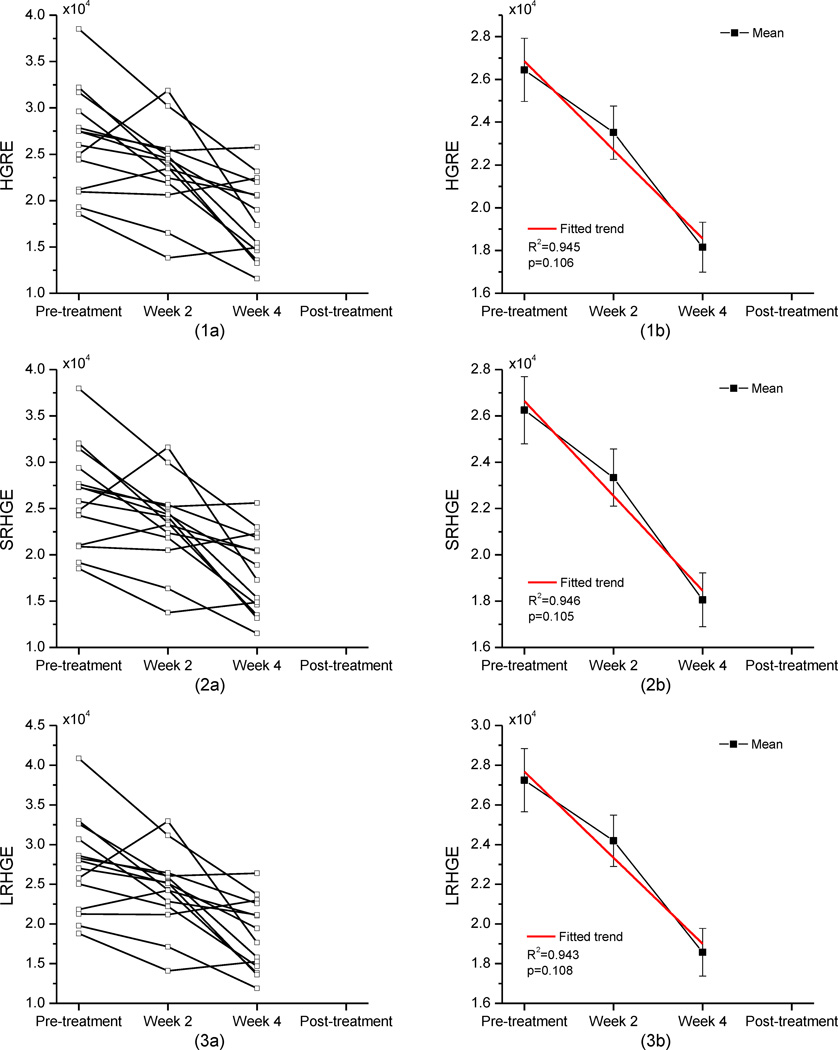
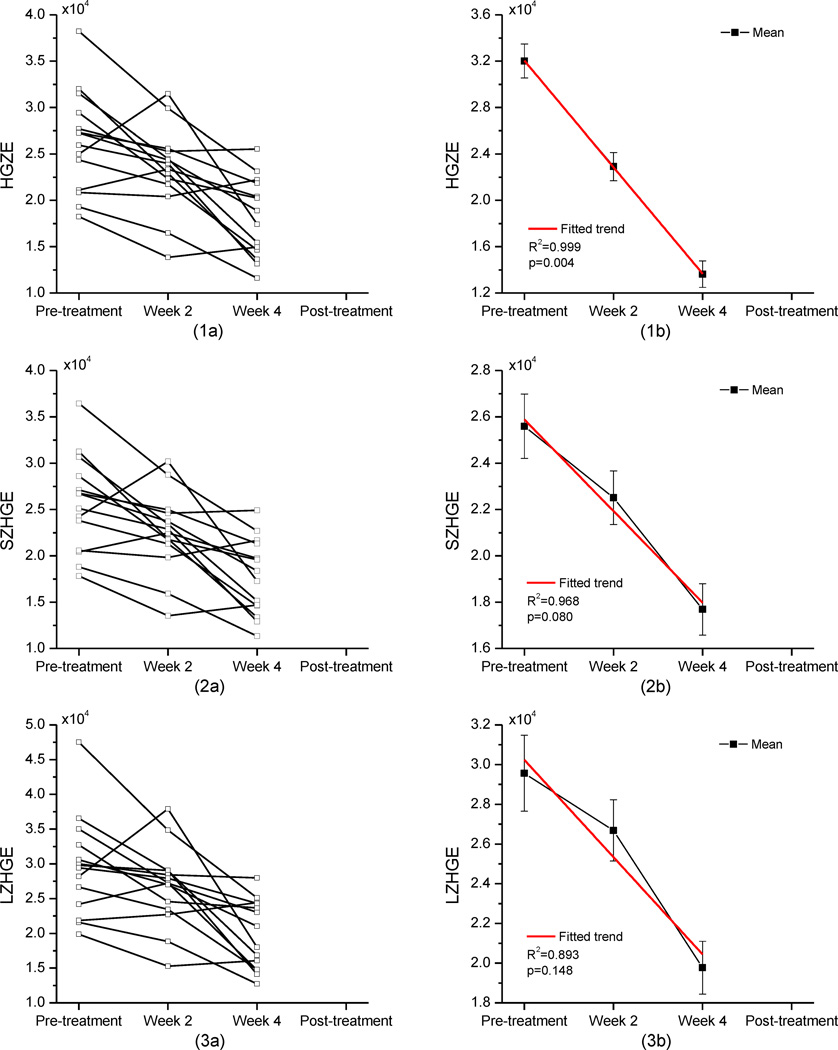
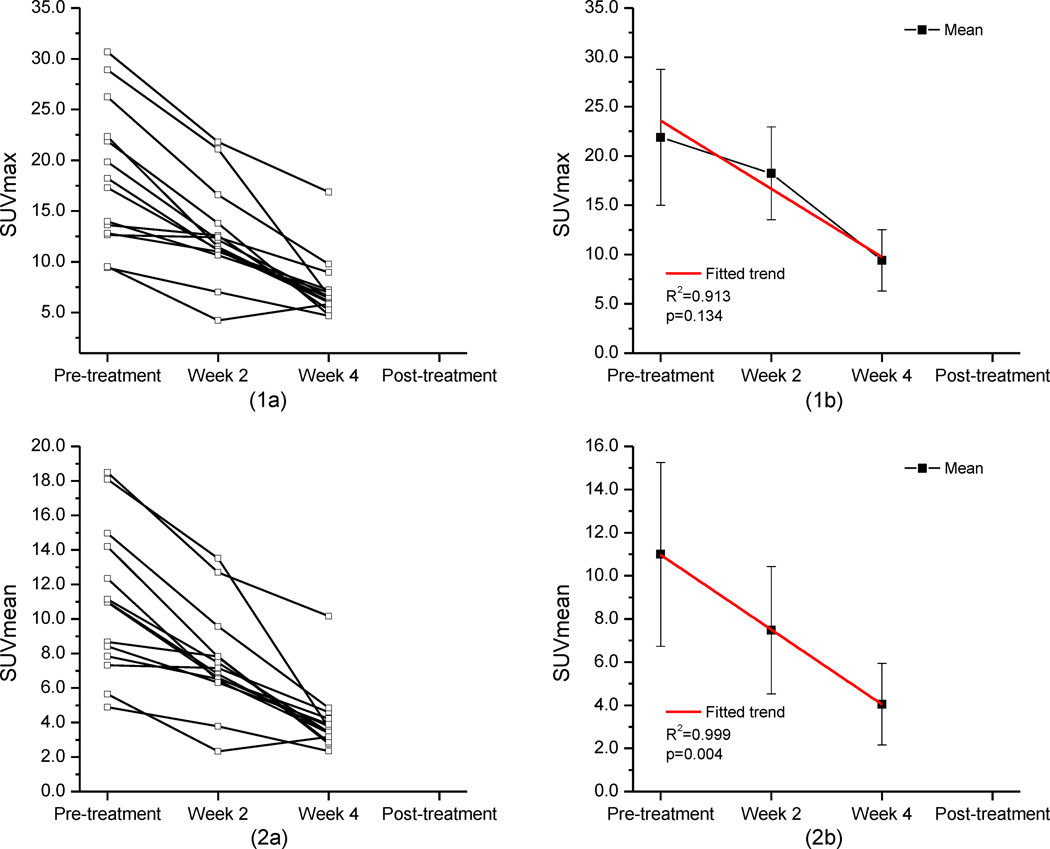
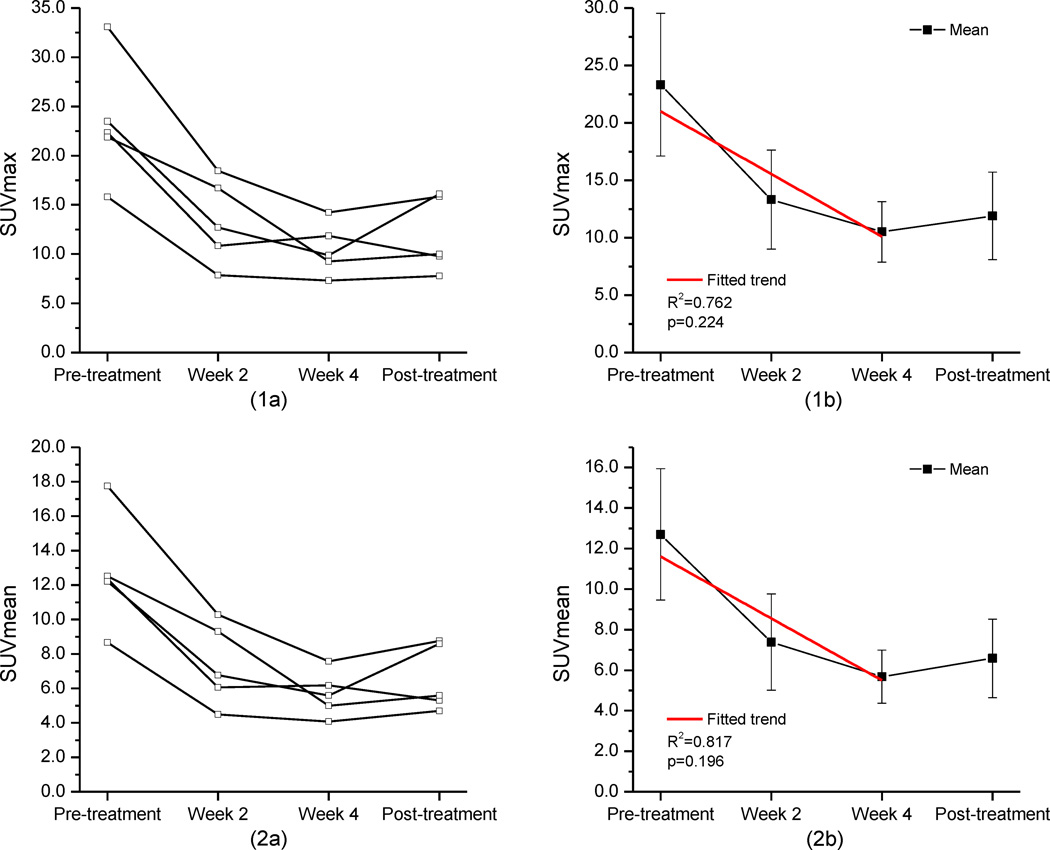
Results: Textural features at a regional scale with emphasis on characterizing contiguous regions of high uptake in tumors decreased significantly with time (P < 0.001) in the CMR group, while features describing contiguous regions of low uptake along with those measuring the nonuniformity of contiguous isointense regions in tumors exhibited significant temporal changes in the PMR/NEW group (P < 0.03) but showed no persistent trends with time. Both SUV indices showed significant changes during the course of the disease in both patient groups (P < 0.001 for SUVmax and SUVmean in the CMR group; P = 0.0109 and 0.0136, respectively, for SUVmax and SUVmean in the PMR/NEW group), and also decreased at a constant rate in the CMR group and decreased up to the 4th week of treatment and then increased in the PMR/NEW group.
Conclusion: The temporal changes in the heterogeneity of intratumoral FDG distribution characterized at a regional scale using image-based textural features may provide an adjunctive or alternative option for understanding tumor response to chemoradiotherapy and interpreting FDG accumulation dynamics in patients with malignant cervical tumors during the course of the disease.
Figures
References
-
- Hong JH, Tsai CS, Lai CH, Chang TC, Wang CC, Chou HH, et al. Recurrent squamous cell carcinoma of cervix after definitive radiotherapy. Int J Radiat Oncol Biol Phys. 2004;60(1):249–257. - PubMed
-
- Waggoner SE. Cervical cancer. The Lancet. 2003;361(9376):2217–2225. - PubMed
-
- Bachtiary B, Boutros PC, Pintilie M, Shi W, Bastianutto C, Li JH, et al. Gene expression profiling in cervical cancer: an exploration of intratumor heterogeneity. Clin Cancer Res. 2006;12(19):5632–5640. - PubMed
-
- Davidson SE, West CM, Roberts SA, Hendry JH, Hunter RD. Radiosensitivity testing of primary cervical carcinoma: evaluation of intra- and inter-tumour heterogeneity. Radiother Oncol. 1990;18(4):349–356. - PubMed
-
- Dehdashti F, Grigsby PW, Lewis JS, Laforest R, Siegel BA, Welch MJ. Assessing Tumor Hypoxia in Cervical Cancer by PET with 60Cu-Labeled Diacetyl-Bis(N4-Methylthiosemicarbazone) J Nucl Med. 2008;49(2):201–205. - PubMed
Publication types
MeSH terms
Substances
Grants and funding
LinkOut - more resources
Full Text Sources
Other Literature Sources
Medical
