


Mutations in the fusion protein cleavage site of avian paramyxovirus serotype 4 confer increased replication and syncytium formation in vitro but not increased replication and pathogenicity in chickens and ducks
- PMID: 23341874
- PMCID: PMC3544850
- DOI: 10.1371/journal.pone.0050598
Mutations in the fusion protein cleavage site of avian paramyxovirus serotype 4 confer increased replication and syncytium formation in vitro but not increased replication and pathogenicity in chickens and ducks
Retraction in
-
Retraction: Mutations in the Fusion Protein Cleavage Site of Avian Paramyxovirus Serotype 4 Confer Increased Replication and Syncytium Formation In Vitro but Not Increased Replication and Pathogenicity in Chickens and Ducks.PLoS One. 2020 Dec 14;15(12):e0244076. doi: 10.1371/journal.pone.0244076. eCollection 2020. PLoS One. 2020. PMID: 33315953 Free PMC article. No abstract available.
Abstract
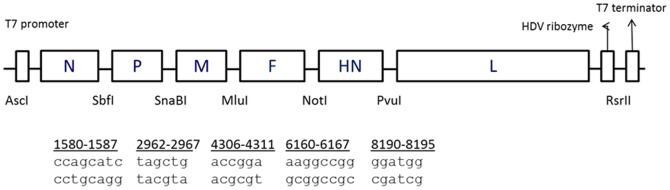
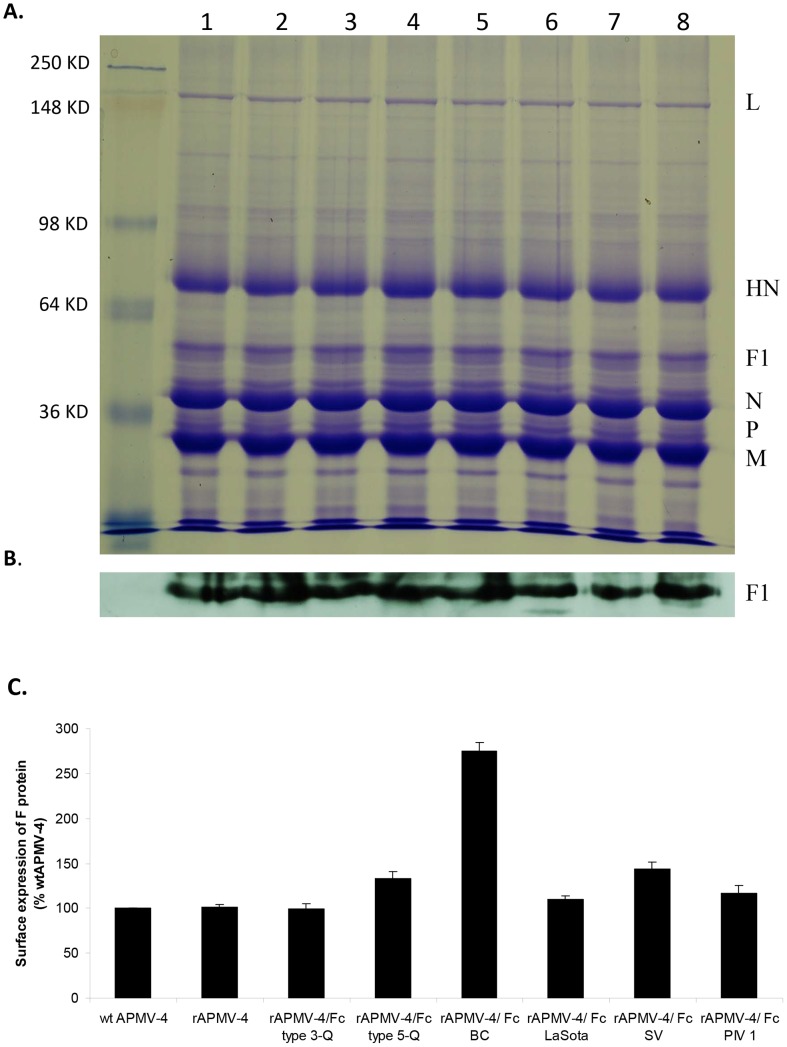
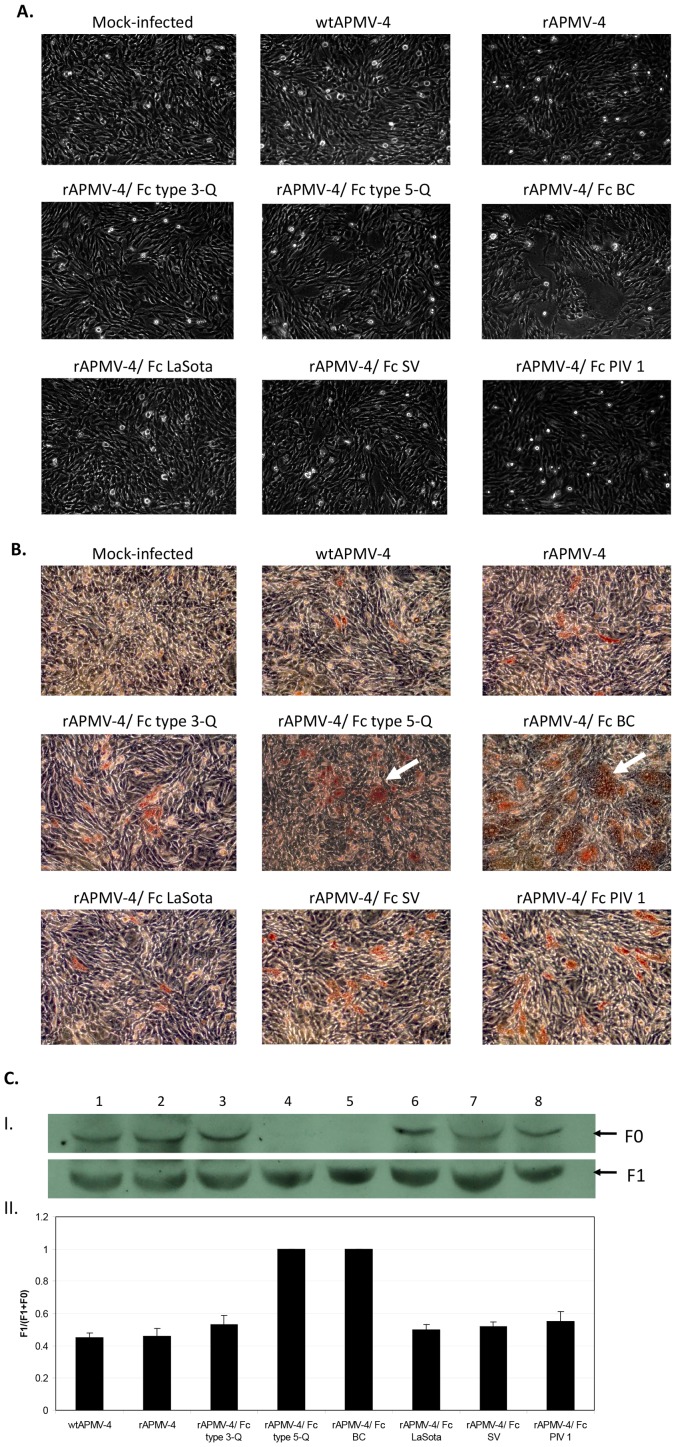
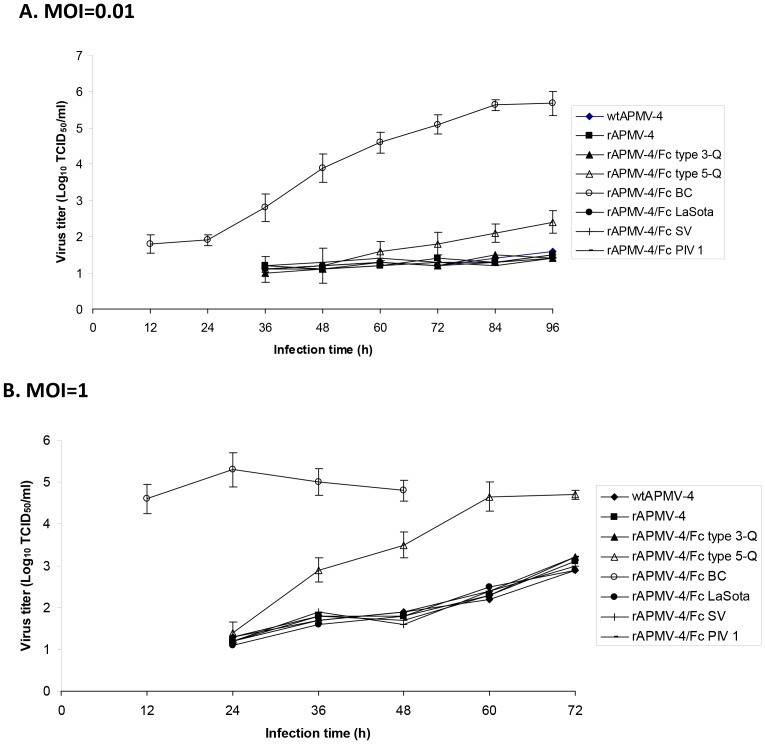
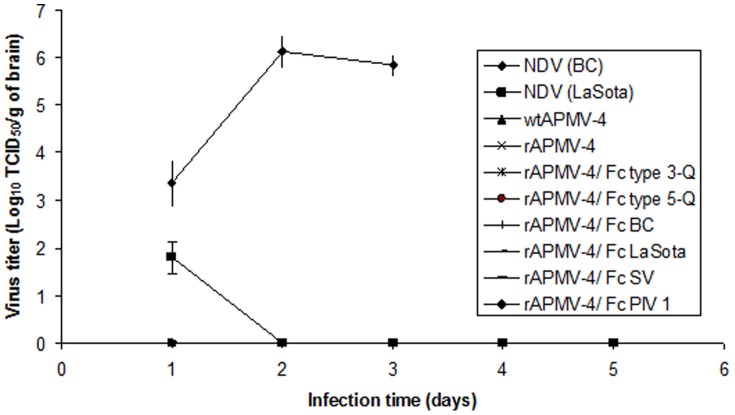
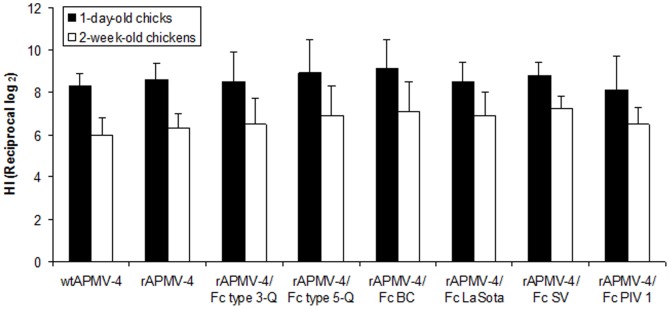
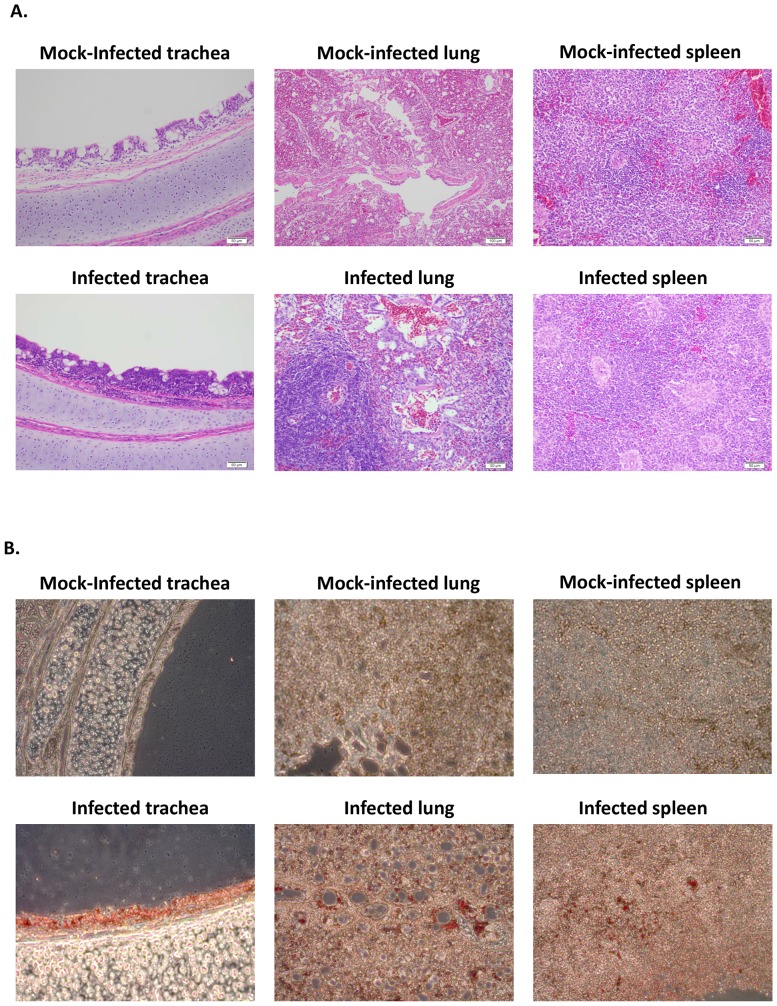
To evaluate the role of the F protein cleavage site in the replication and pathogenicity of avian paramyxoviruses (APMVs), we constructed a reverse genetics system for recovery of infectious recombinant APMV-4 from cloned cDNA. The recovered recombinant APMV-4 resembled the biological virus in growth characteristics in vitro and in pathogenicity in vivo. The F cleavage site sequence of APMV-4 (DIQPR↓F) contains a single basic amino acid, at the -1 position. Six mutant APMV-4 viruses were recovered in which the F protein cleavage site was mutated to contain increased numbers of basic amino acids or to mimic the naturally occurring cleavage sites of several paramyxoviruses, including neurovirulent and avirulent strains of NDV. The presence of a glutamine residue at the -3 position was found to be important for mutant virus recovery. In addition, cleavage sites containing the furin protease motif conferred increased replication and syncytium formation in vitro. However, analysis of viral pathogenicity in 9-day-old embryonated chicken eggs, 1-day-old and 2-week-old chickens, and 3-week-old ducks showed that none the F protein cleavage site mutations altered the replication, tropism, and pathogenicity of APMV-4, and no significant differences were observed among the parental and mutant APMV-4 viruses in vivo. Although parental and mutant viruses replicated somewhat better in ducks than in chickens, they all were highly restricted and avirulent in both species. These results suggested that the cleavage site sequence of the F protein is not a limiting determinant of APMV-4 pathogenicity in chickens and ducks.
Conflict of interest statement
Figures

Comment in
-
Findings of Research Misconduct.Fed Regist. 2020 May 13;85(93):28643-28645. Fed Regist. 2020. PMID: 32435075 Free PMC article. No abstract available.
References
-
- Lamb R, Parks G (2007) Paramyxoviridae: the viruses and their replication. In: Knipe DM, Howley PM, Griffin DE, Lamb RA, Martin MA, Roizman B, Straus SE, editors. Philadelphia: Lippincott Williams & Wilkins. pp. 1449–1496.
-
- Alexander DJ (2003) Avian paramyxoviruses 2–9. In: Saif, Y.M, (Ed.), Diseases of Poultry, 11th ed. Iowa State University Press, Ames 88–92.
-
- Hu S, Ma H, Wu Y, Liu W, Wang X, et al. (2009) A vaccine candidate of attenuated genotype VII Newcastle disease virus generated by reverse genetics. Vaccine 27: 904–910. - PubMed
-
- Huang Z, Krisnamurthy S, Panda A, Samal SK (2001) High-level expression of a foreign gene from the 3′ proximal first locus of a recombinant Newcastle disease virus. J Gen Virol 82: 1729–1736. - PubMed
Publication types
MeSH terms
Substances
Grants and funding
LinkOut - more resources
Full Text Sources
Other Literature Sources
