


Pancreatic digestive enzyme blockade in the intestine increases survival after experimental shock
- PMID: 23345609
- PMCID: PMC4643000
- DOI: 10.1126/scitranslmed.3005046
Pancreatic digestive enzyme blockade in the intestine increases survival after experimental shock
Abstract
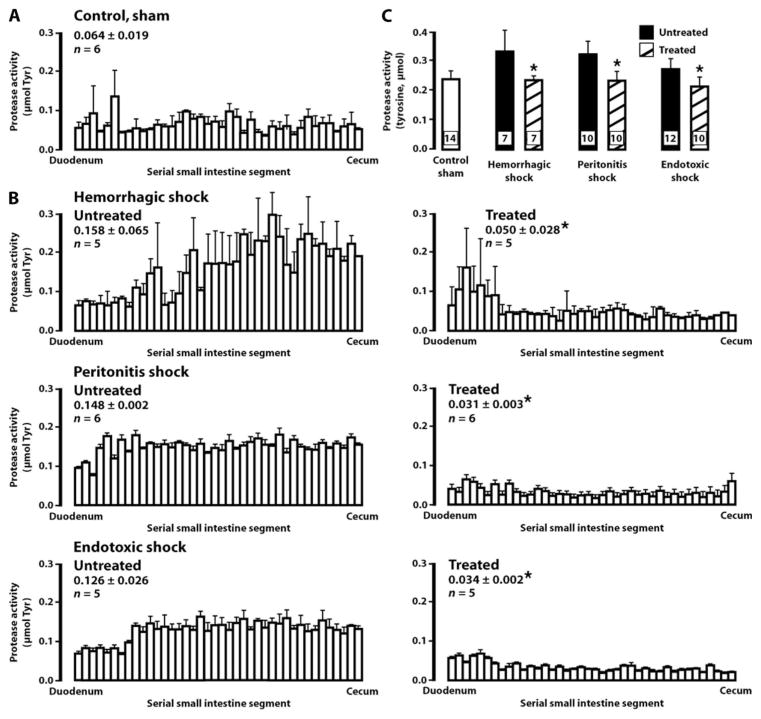
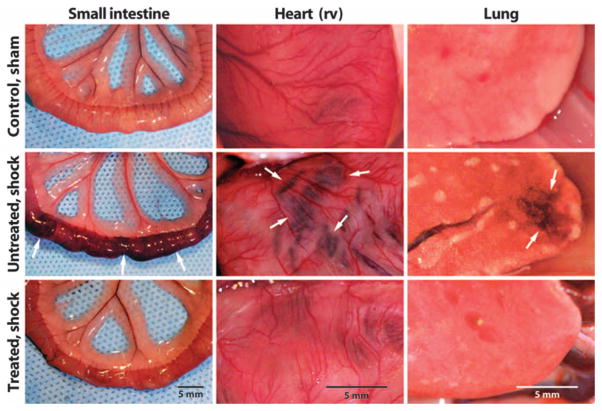
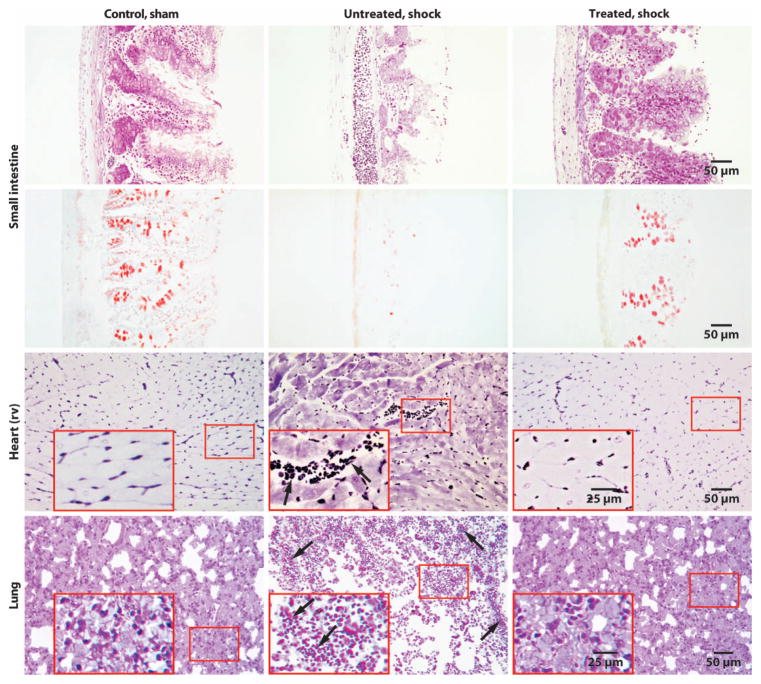
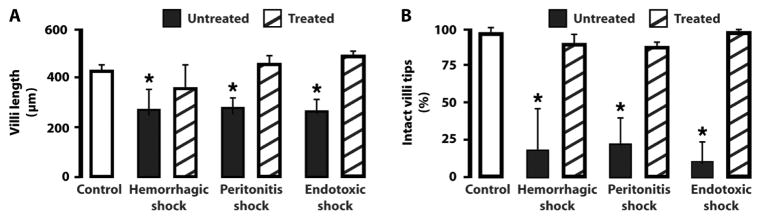
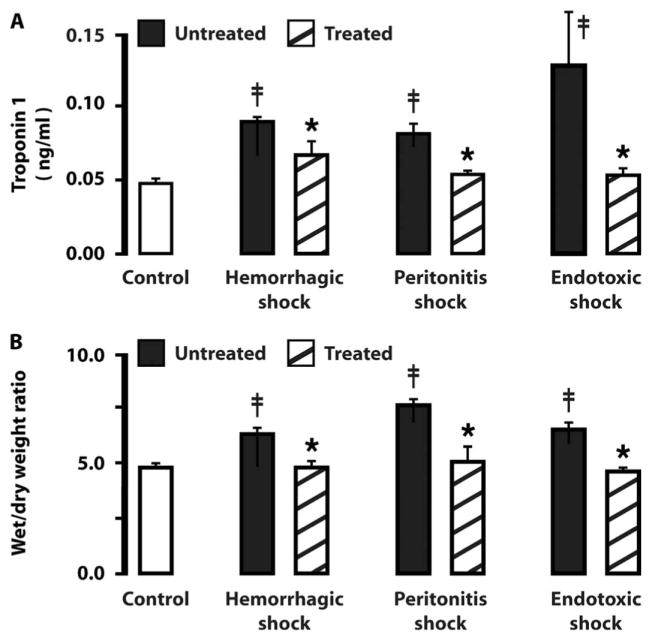
Shock, sepsis, and multiorgan failure are associated with inflammation, morbidity, and high mortality. The underlying pathophysiological mechanism is unknown, but evidence suggests that pancreatic enzymes in the intestinal lumen autodigest the intestine and generate systemic inflammation. Blocking these enzymes in the intestine reduces inflammation and multiorgan dysfunction. We investigated whether enzymatic blockade also reduces mortality after shock. Three rat shock models were used here: hemorrhagic shock, peritonitis shock induced by placement of cecal material into the peritoneum, and endotoxin shock. One hour after initiation of hemorrhagic, peritonitis, or endotoxin shock, animals were administered one of three different pancreatic enzyme inhibitors--6-amidino-2-naphtyl p-guanidinobenzoate dimethanesulfate, tranexamic acid, or aprotinin--into the lumen of the small intestine. In all forms of shock, blockade of digestive proteases with protease inhibitor attenuated entry of digestive enzymes into the wall of the intestine and subsequent autodigestion and morphological damage to the intestine, lung, and heart. Animals treated with protease inhibitors also survived in larger numbers than untreated controls over a period of 12 weeks. Surviving animals recovered completely and returned to normal weight within 14 days after shock. The results suggest that the active and concentrated digestive enzymes in the lumen of the intestine play a central role in shock and multiorgan failure, which can be treated with protease inhibitors that are currently available for use in the clinic.
Conflict of interest statement
Figures
References
-
- Beutler B, Cerami A. Tumor necrosis, cachexia, shock, and inflammation: A common mediator. Annu Rev Biochem. 1988;57:505–518. - PubMed
-
- Waxman K. Shock: Ischemia, reperfusion, and inflammation. New Horiz. 1996;4:153–160. - PubMed
-
- Liu SF, Malik AB. NF-κB activation as a pathological mechanism of septic shock and inflammation. Am J Physiol Lung Cell Mol Physiol. 2006;290:L622–L645. - PubMed
-
- Barroso-Aranda J, Schmid-Schönbein GW. Transformation of neutrophils as indicator of irreversibility in hemorrhagic shock. Am J Physiol. 1989;257:H846–H852. - PubMed
-
- Rice TW, Bernard GR. Therapeutic intervention and targets for sepsis. Annu Rev Med. 2005;56:225–248. - PubMed
Publication types
MeSH terms
Substances
Grants and funding
LinkOut - more resources
Full Text Sources
Other Literature Sources
Medical
