


Human behavior cognition using smartphone sensors
- PMID: 23348030
- PMCID: PMC3649388
- DOI: 10.3390/s130201402
Human behavior cognition using smartphone sensors
Abstract
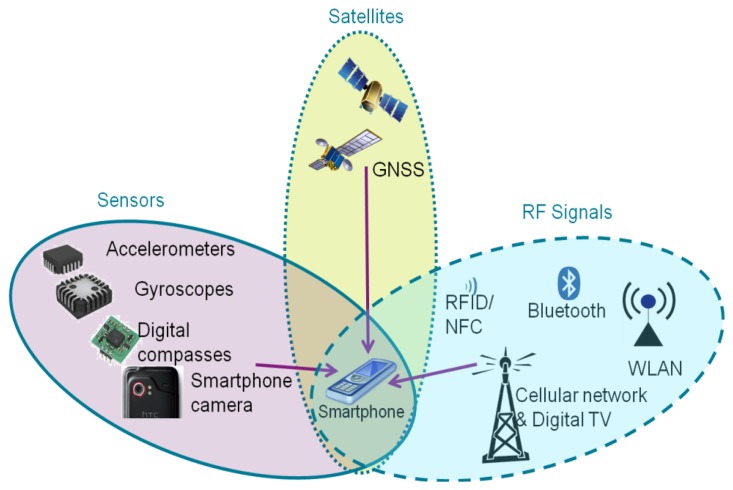
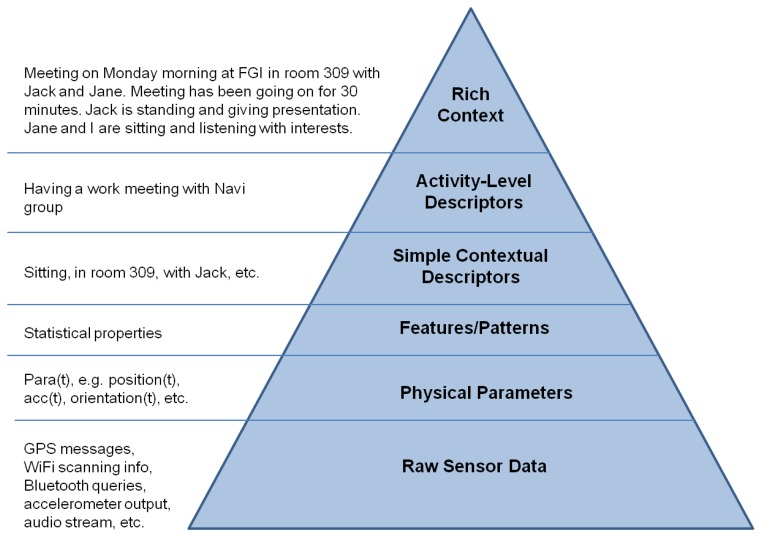
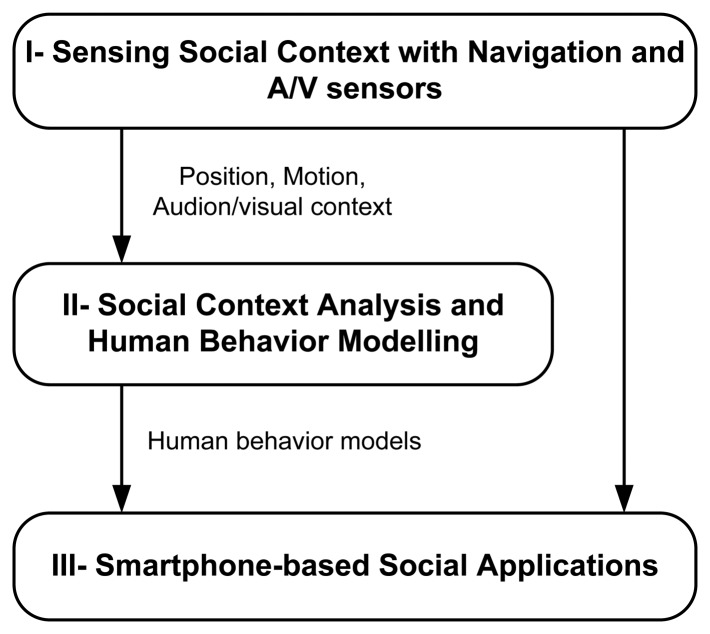
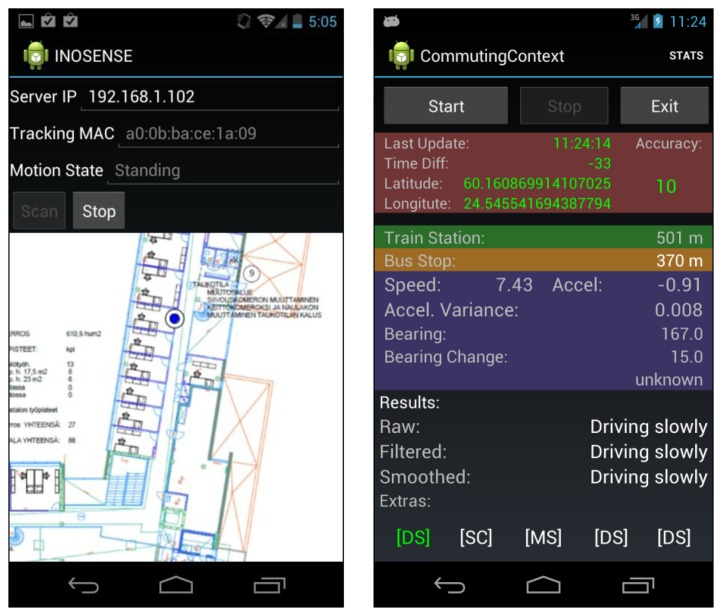
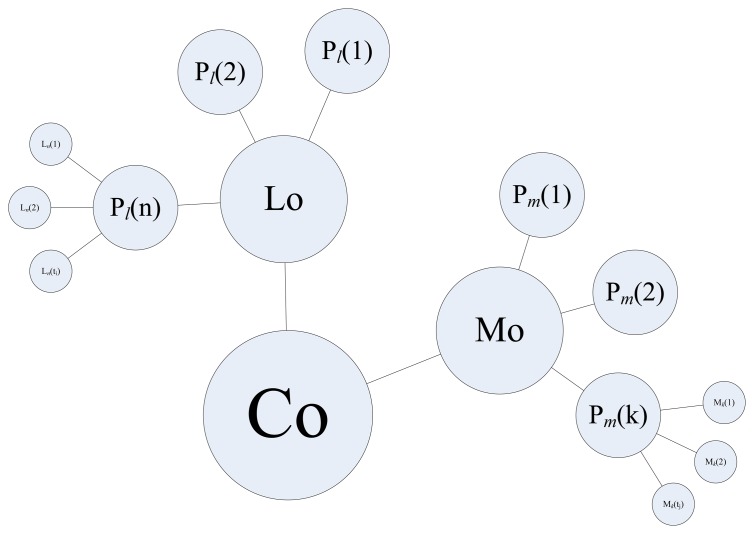
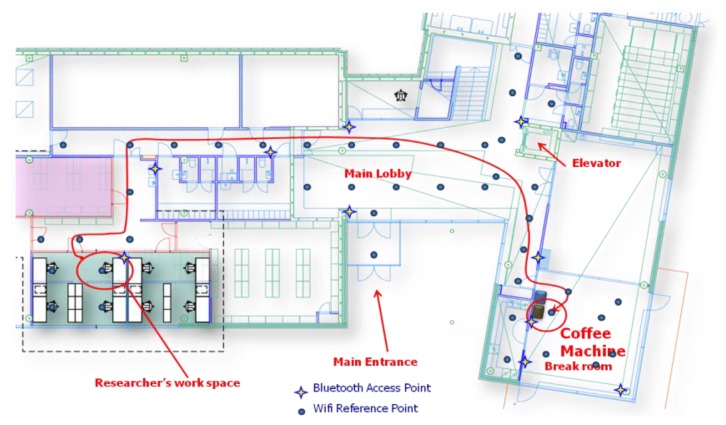
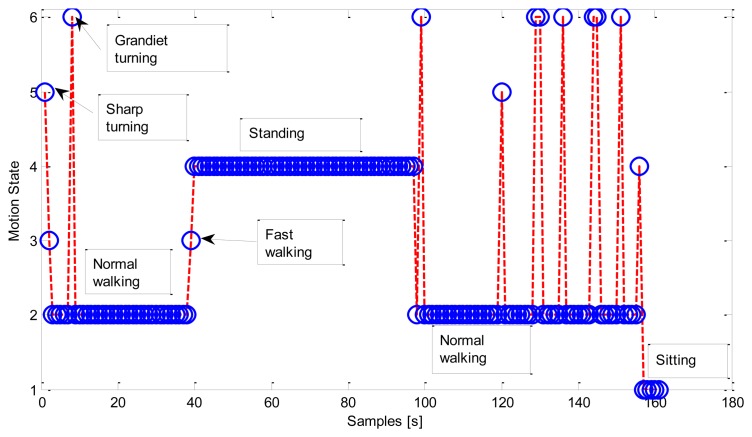
This research focuses on sensing context, modeling human behavior and developing a new architecture for a cognitive phone platform. We combine the latest positioning technologies and phone sensors to capture human movements in natural environments and use the movements to study human behavior. Contexts in this research are abstracted as a Context Pyramid which includes six levels: Raw Sensor Data, Physical Parameter, Features/Patterns, Simple Contextual Descriptors, Activity-Level Descriptors, and Rich Context. To achieve implementation of the Context Pyramid on a cognitive phone, three key technologies are utilized: ubiquitous positioning, motion recognition, and human behavior modeling. Preliminary tests indicate that we have successfully achieved the Activity-Level Descriptors level with our LoMoCo (Location-Motion-Context) model. Location accuracy of the proposed solution is up to 1.9 meters in corridor environments and 3.5 meters in open spaces. Test results also indicate that the motion states are recognized with an accuracy rate up to 92.9% using a Least Square-Support Vector Machine (LS-SVM) classifier.
Figures
References
-
- Hu D.H., Zhang X.X., Yin J., Zheng V.W., Yang Q. Abnormal Activity Recognition Based on Hdp-Hmm Models. Proceedings of the 21st International Joint Conference on Artifical Intelligence; California, CA, USA. 11– 17 July 2009; pp. 1715–1720.
-
- Pei L., Chen R., Chen Y., Leppäkoski H., Perttula A. Indoor/Outdoor Seamless Positioning Technologies Integrated on Smart Phone. Proceedings of the International Conference on Advances in Satellite and Space Communications; Colmar, France. 20– 25 July 2009; pp. 141–145.
-
- Kraemer I., Eissfeller B. A-GNSS: A different approach. Inside GNSS. 2009;4:52–61.
-
- Syrjärinne J. Ph.D. Thesis. Tampere University of Technology; Tampere, Finland: Mar, 2001. Studies on Modern Techniques for Personal Positioning.
-
- Laura K., Perala T., Piché R. Indoor Positioning Using Wlan Coverage Area Estimates. IEEE Proceedings of International Conference on Indoor Positioning and Indoor Navigation (IPIN); Zurich, Switzerland. 15– 17 September 2010; pp. 1–7.
Publication types
MeSH terms
LinkOut - more resources
Full Text Sources
Other Literature Sources
