


The male mammary gland: a target for the xenoestrogen bisphenol A
- PMID: 23348055
- PMCID: PMC3998714
- DOI: 10.1016/j.reprotox.2013.01.002
The male mammary gland: a target for the xenoestrogen bisphenol A
Abstract
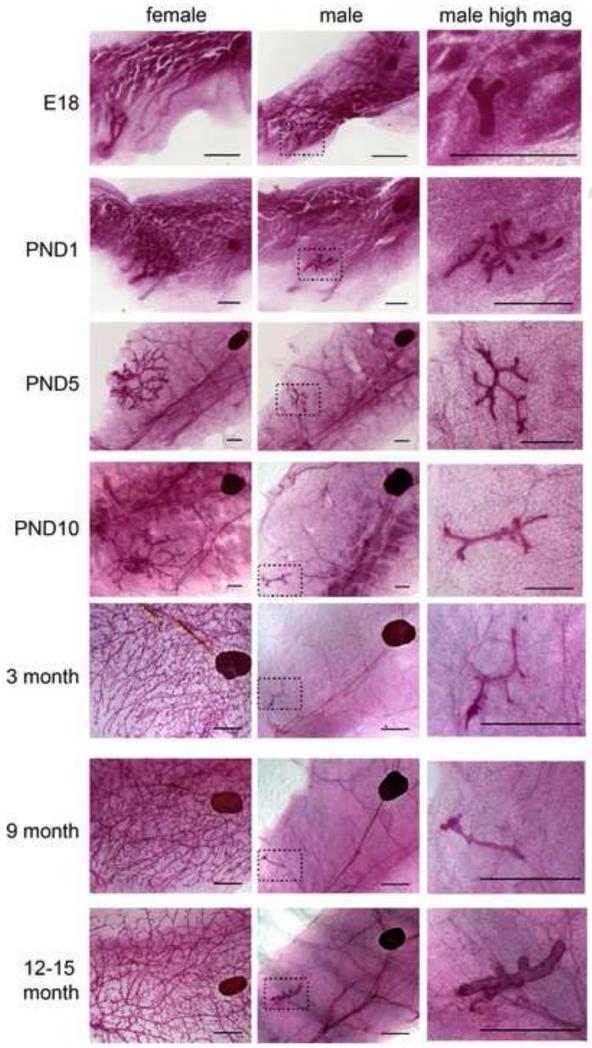
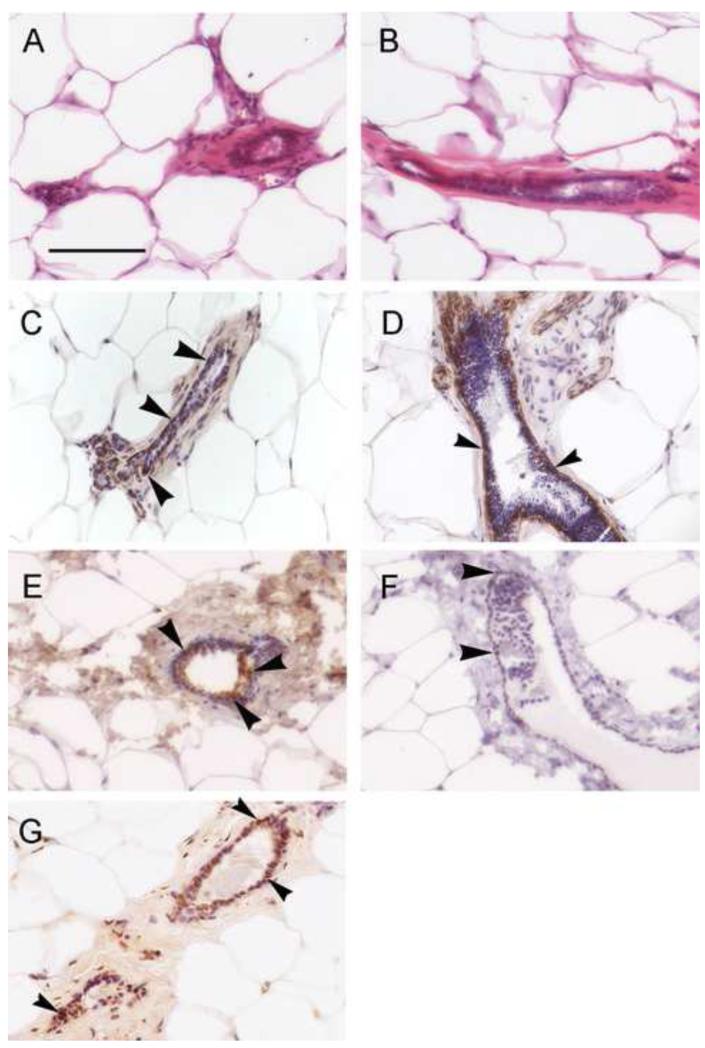
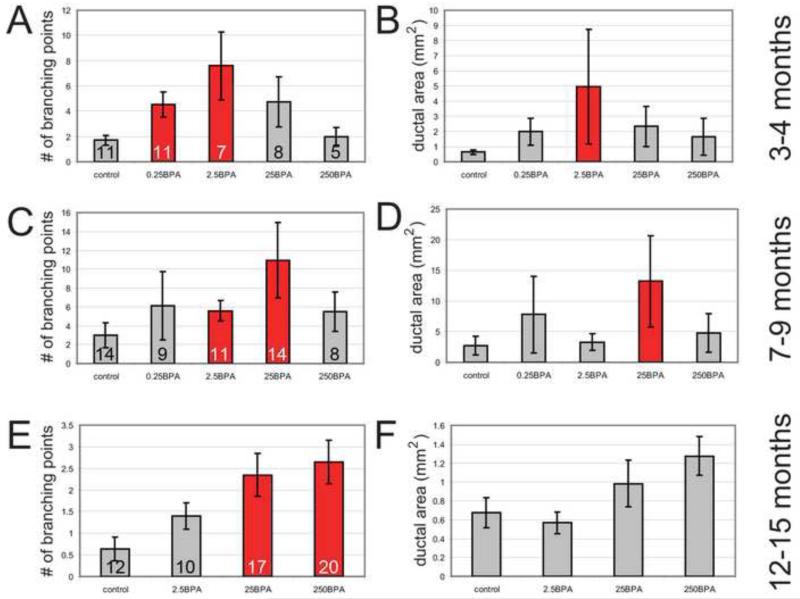
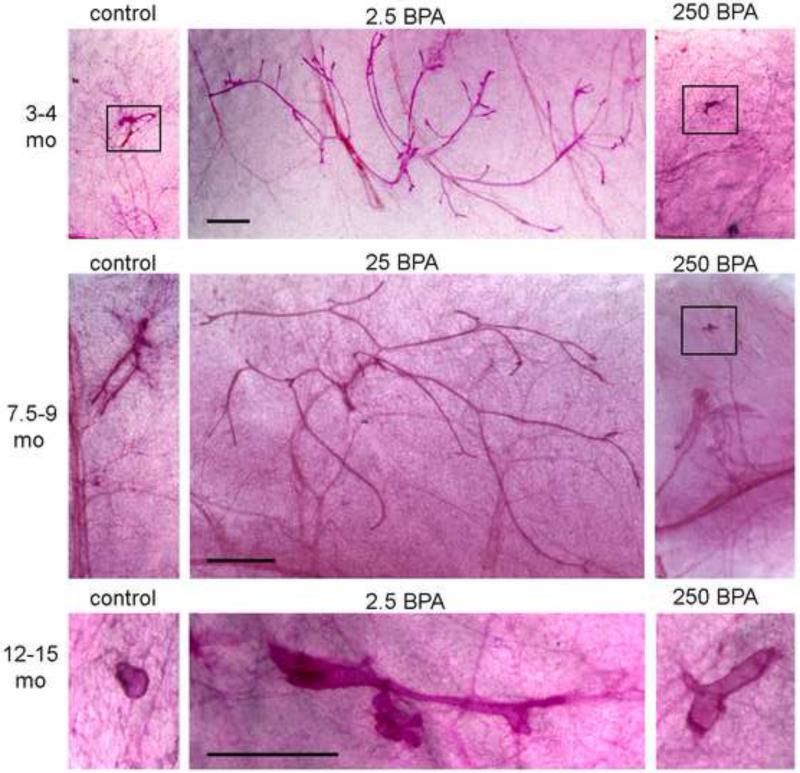
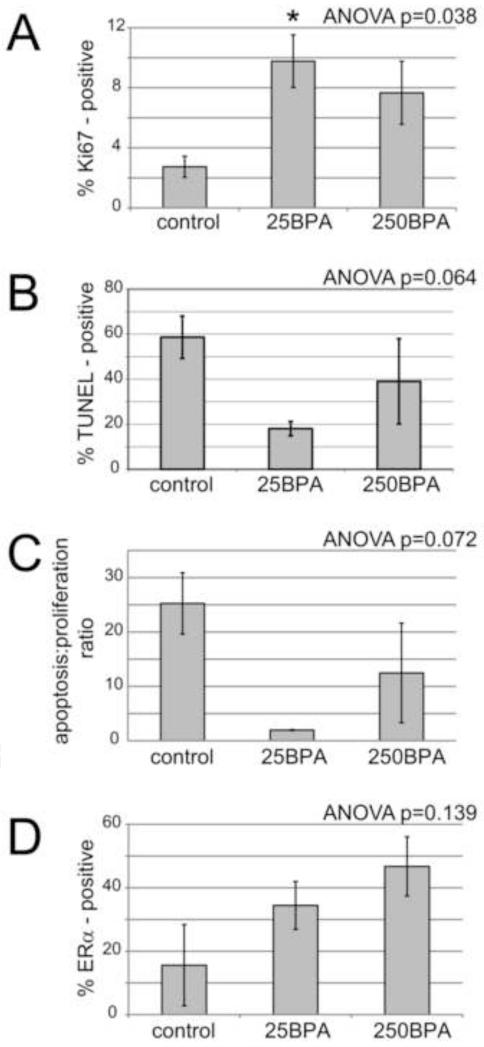
Males of some strains of mice retain their mammary epithelium even in the absence of nipples. Here, we have characterized the mammary gland in male CD-1 mice both in whole mounts and histological sections. We also examined the effects of bisphenol A (BPA), an estrogen mimic that alters development of the female mouse mammary gland. BPA was administered at a range of environmentally relevant doses (0.25-250μg/kg/day) to pregnant and lactating mice and then the mammary glands of male offspring were examined at several periods in adulthood. We observed age- and dose-specific effects on mammary gland morphology, indicating that perinatal BPA exposures alter the male mammary gland in adulthood. These results may provide insight into gynecomastia, the most common male breast disease in humans, where proliferation of the mammary epithelium leads to breast enlargement.
Copyright © 2013 Elsevier Inc. All rights reserved.
Figures
References
-
- Hennighausen L, Robinson GW. Think globally, act locally: the making of a mouse mammary gland. Genes Dev. 1998;12:449–55. - PubMed
-
- Iuanow E, Kettler M, Slanetz PJ. Spectrum of disease in the male breast. AJR Am J Roentgenol. 2011;196:W247–59. - PubMed
-
- Markey CM, Coombs MA, Sonnenschein C, Soto AM. Mammalian development in a changing environment: exposure to endocrine disruptors reveals the developmental plasticity of steroid-hormone target organs. Evolution and Development. 2003;5:67–75. - PubMed
Publication types
MeSH terms
Substances
Grants and funding
LinkOut - more resources
Full Text Sources
Other Literature Sources
