


Connective tissue fibroblast properties are position-dependent during mouse digit tip regeneration
- PMID: 23349966
- PMCID: PMC3548775
- DOI: 10.1371/journal.pone.0054764
Connective tissue fibroblast properties are position-dependent during mouse digit tip regeneration
Abstract
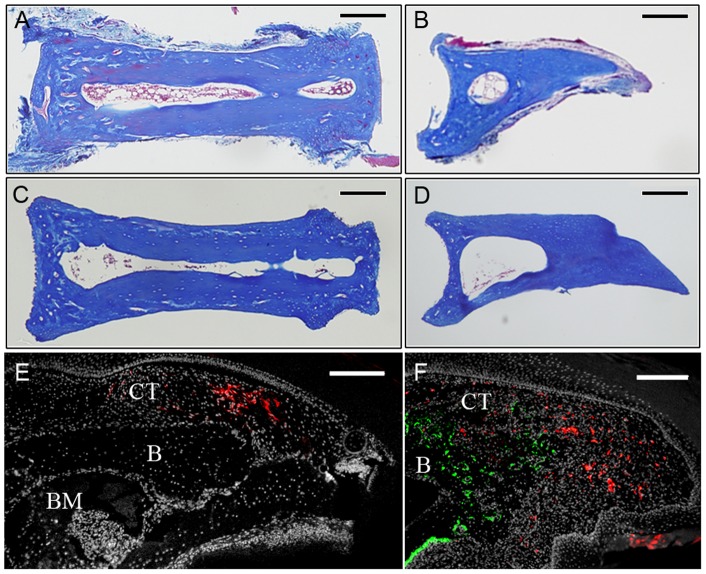
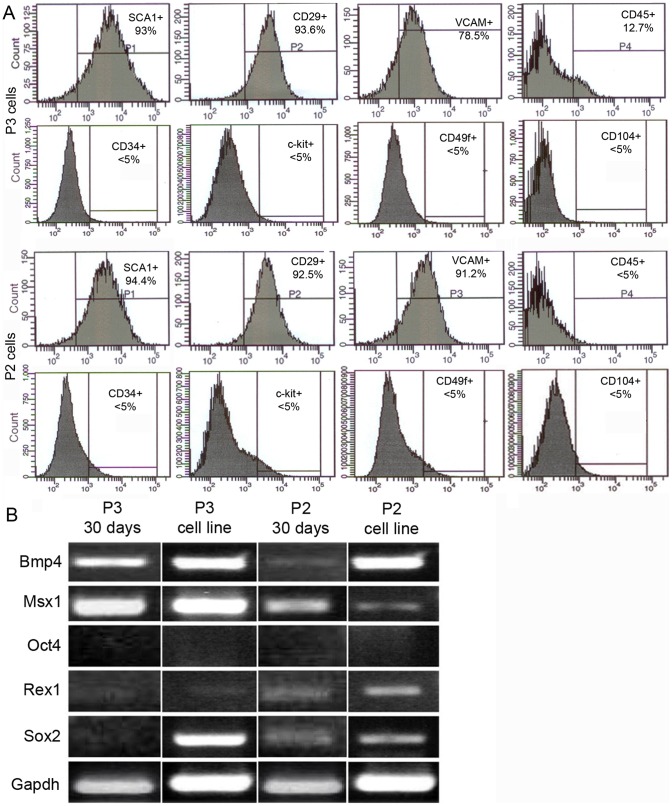
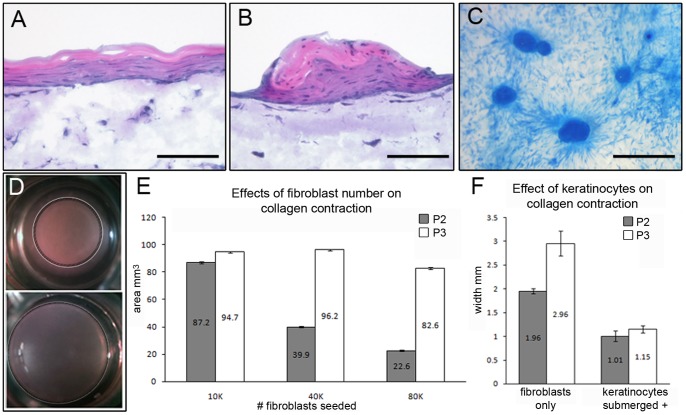
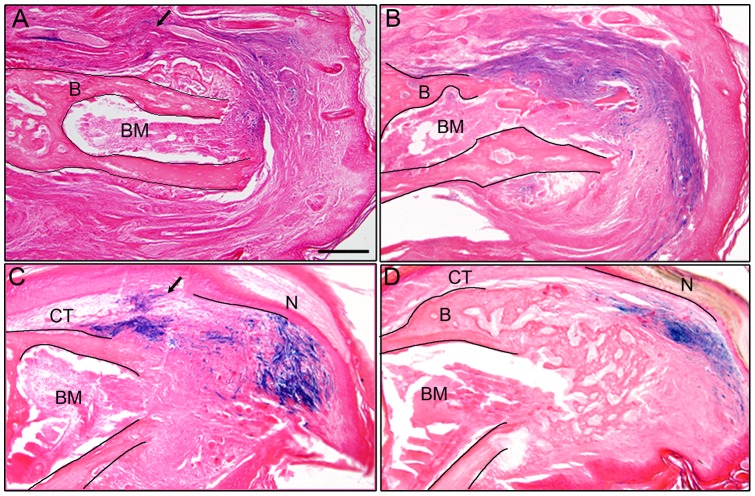
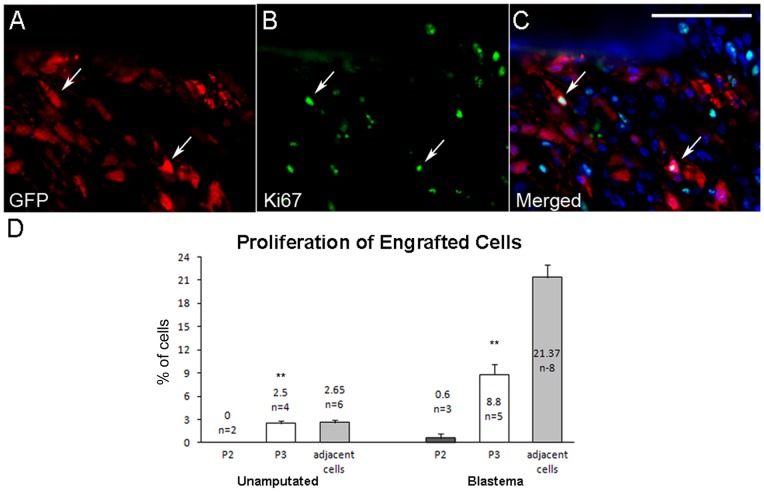
A key factor that contributes to the regenerative ability of regeneration-competent animals such as the salamander is their use of innate positional cues that guide the regeneration process. The limbs of mammals has severe regenerative limitations, however the distal most portion of the terminal phalange is regeneration competent. This regenerative ability of the adult mouse digit is level dependent: amputation through the distal half of the terminal phalanx (P3) leads to successful regeneration, whereas amputation through a more proximal location, e.g. the subterminal phalangeal element (P2), fails to regenerate. Do the connective tissue cells of the mammalian digit play a role similar to that of the salamander limb in controlling the regenerative response? To begin to address this question, we isolated and cultured cells of the connective tissue surrounding the phalangeal bones of regeneration competent (P3) and incompetent (P2) levels. Despite their close proximity and localization, these cells show very distinctive profiles when characterized in vitro and in vivo. In vitro studies comparing their proliferation and position-specific interactions reveal that cells isolated from the P3 and P2 are both capable of organizing and differentiating epithelial progenitors, but with different outcomes. The difference in interactions are further characterized with three-dimension cultures, in which P3 regenerative cells are shown to lack a contractile response that is seen in other fibroblast cultures, including the P2 cultures. In in vivo engraftment studies, the difference between these two cell lines is made more apparent. While both P2 and P3 cells participated in the regeneration of the terminal phalanx, their survival and proliferative indices were distinct, thus suggesting a key difference in their ability to interact within a regeneration permissive environment. These studies are the first to demonstrate distinct positional characteristics of connective tissue cells that are associated with their regenerative capabilities.
Conflict of interest statement
Figures

References
-
- Muneoka K, Allan CH, Yang X, Lee J, Han M (2008) Mammalian regeneration and regenerative medicine. Birth Defects Res C Embryo Today 84: 265–280. - PubMed
-
- Bryant SV, Endo T, Gardiner DM (2002) Vertebrate limb regeneration and the origin of limb stem cells. Int J Dev Biol 46: 887–896. - PubMed
-
- Stocum DL (2004) Amphibian regeneration and stem cells. Curr Top Microbiol Immunol 280: 1–70. - PubMed
-
- Namenwirth M (1974) The inheritance of cell differentiation during limb regeneration in the axolotl. Dev Biol 41: 42–56. - PubMed
-
- Dunis DA, Namenwirth M (1977) The role of grafted skin in the regeneration of x-irradiated axolotl limbs. Dev Biol 56: 97–109. - PubMed
Publication types
MeSH terms
Grants and funding
LinkOut - more resources
Full Text Sources
Other Literature Sources
