. 2013 Apr 1;73(7):2289-97.
doi: 10.1158/0008-5472.CAN-12-4119. Epub 2013 Jan 28.

Inhibition of protein kinase CK2 reduces Cyp24a1 expression and enhances 1,25-dihydroxyvitamin D(3) antitumor activity in human prostate cancer cells

Affiliations

Inhibition of protein kinase CK2 reduces Cyp24a1 expression and enhances 1,25-dihydroxyvitamin D(3) antitumor activity in human prostate cancer cells

Wei Luo et al. Cancer Res. .

Abstract

Vitamin D has broad range of physiological functions and antitumor effects. 24-Hydroxylase, encoded by the CYP24A1 gene, is the key enzyme for degrading many forms of vitamin D including the most active form, 1,25D(3). Inhibition of CYP24A1 enhances 1,25D(3) antitumor activity. To isolate regulators of CYP24A1 expression in prostate cancer cells, we established a stable prostate cancer cell line PC3 with CYP24A1 promoter driving luciferase expression to screen a small molecular library for compounds that inhibit CYP24A1 promoter activity. From this screening, we identified, 4,5,6,7-tetrabromobenzimidazole (TBBz), a protein kinase CK2 selective inhibitor as a disruptor of CYP24A1 promoter activity. We show that TBBz inhibits CYP24A1 promoter activity induced by 1,25D(3) in prostate cancer cells. In addition, TBBz downregulates endogenous CYP24A1 mRNA level in TBBz-treated PC3 cells. Furthermore, siRNA-mediated CK2 knockdown reduces 1,25D(3)-induced CYP24A1 mRNA expression in PC3 cells. These results suggest that CK2 contributes to 1,25D(3)-mediated target gene expression. Finally, inhibition of CK2 by TBBz or CK2 siRNA significantly enhances 1,25D(3)-mediated antiproliferative effect in vitro and in vivo in a xenograft model. In summary, our findings reveal that protein kinase CK2 is involved in the regulation of CYP24A1 expression by 1,25D(3) and CK2 inhibitor enhances 1,25D(3)-mediated antitumor effect.


Figures

Figure 1
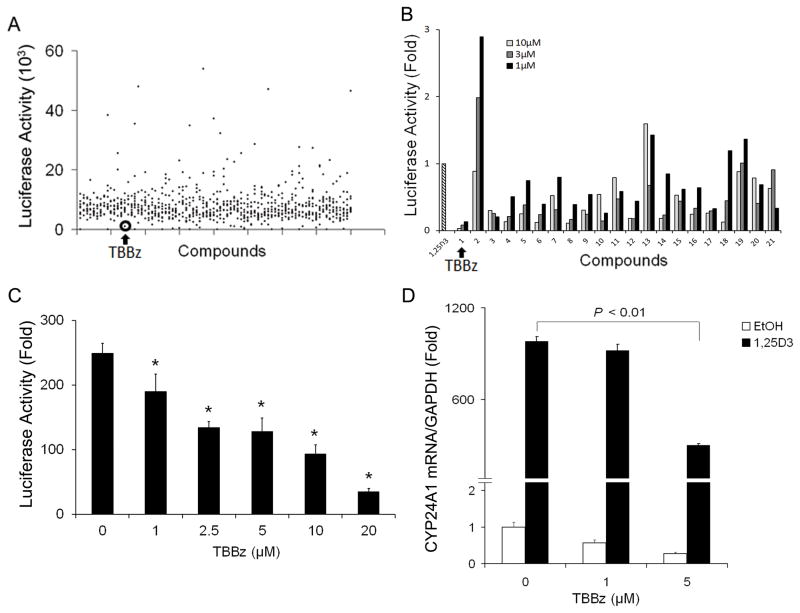
Figure 1. Identification of CYP24A1 small molecular inhibitors by screening LOPAC compounds
(A) PC3/CYP24A1 cells containing CYP24A1 promoter-driving luciferase were seeded into 96-well plates overnight. The LOPAC1280 library of pharmacologically active compounds was dispensed at a final concentration of 10 μM per compound followed by the addition of 100 nM 1,25D3 for 24 hours. Luciferase activity for each well was assayed and luminescence measured. Each dot represents the value of luminescence. (B) Excluding the hits with high toxicity, known from SMSC database, 21 selected compounds were subjected to secondary dose-response experiments to confirm initial observations.) PC3/CYP24A1 cells were treated with compounds at indicated concentration followed by 1,25D3. CYP24A1 promoter luciferase activity was measured and fold change of luciferase value was calculated for the ratio of (1,25D3-induced luciferase activity in the presence of the compound) to (1,25D3-induced luciferase activity in the absence of the compound). (C) PC3 cells were transfected with the CYP24A1 promoter constructs along with Renilla luciferase control construct. Twenty-four hours post transfection, cells were treated with TBBz as indicated and 1,25D3 (100 nM) for additional 24 hours and harvested, and luciferase activities were measured using the Dual-Luciferase Reporter Assay System. The experiment was repeated twice to confirm the reproducibility of results. (*, P < 0.05). (D) PC3 cells were treated with TBBz as indicated followed by 1,25D3 (100 nM). Expression of CYP24A1 mRNA was assessed by qRT-PCR and normalized to human GAPDH and all samples were analyzed in triplicate.
Figure 2
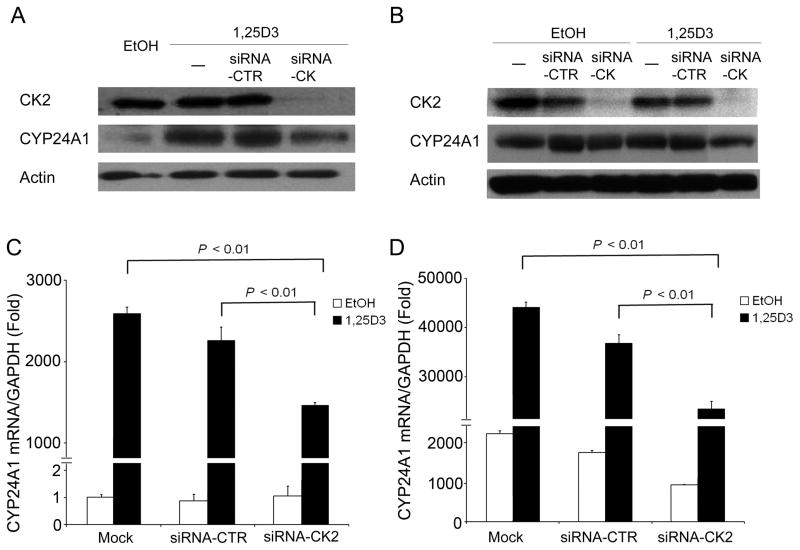
Figure 2. siRNA-mediated silencing of CK2 reduces 1,25D3-induced CYP24A1 expression
PC3 (A, C) or DU145 (B, D) cells were transfected with ON-TARGET plus SMARTpool siRNA-CK2 or siRNA control (siRNA-CTR) for 72 h. Cells were then treated with either vehicle EtOH or 1,25D3 (100 nM) for 24 h or 48 h and harvested for qRT-PCR (C, D) and immunoblotting analysis (A, B).
Figure 3
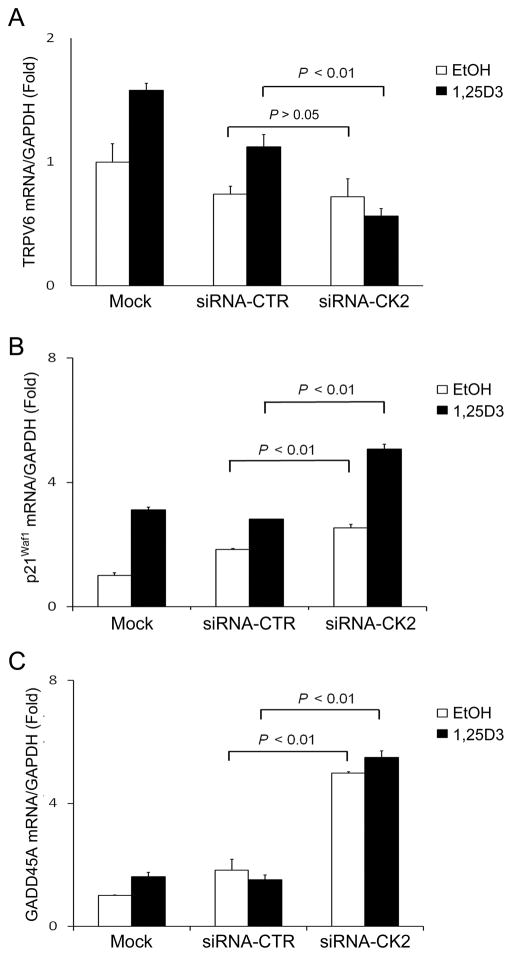
Figure 3. Effect of siRNA-CK2 on TYPV6, p21Waf1and GADD45A mRNA expression
PC3 cells were transfected with siRNA-CK2 or siRNA-control for 72 h. Cells were then treated with either EtOH or 1,25D3 (100 nM) for 6 hours. TYPV6 (A), p21Waf1 (B) and GADD45A (C) mRNA expression were measured and normalized to human GAPDH and all samples were analyzed in triplicate.
Figure 4
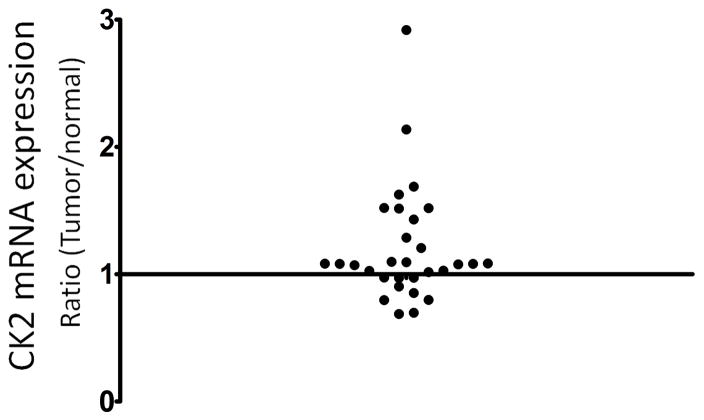
Figure 4. CK2 expression in normal and tumor human prostate tissues
CK2 mRNA expression in human matched prostate tumor and normal lesions was measured and normalized to human GAPDH by qRT-PCR. The difference of CK2 mRNA expression between matched tumor and normal lesions was represented as the ratio of CK2 expression of tumor to normal lesions. Each dot represents the ratio of CK2 expression in tumor to normal lesion.
Figure 5
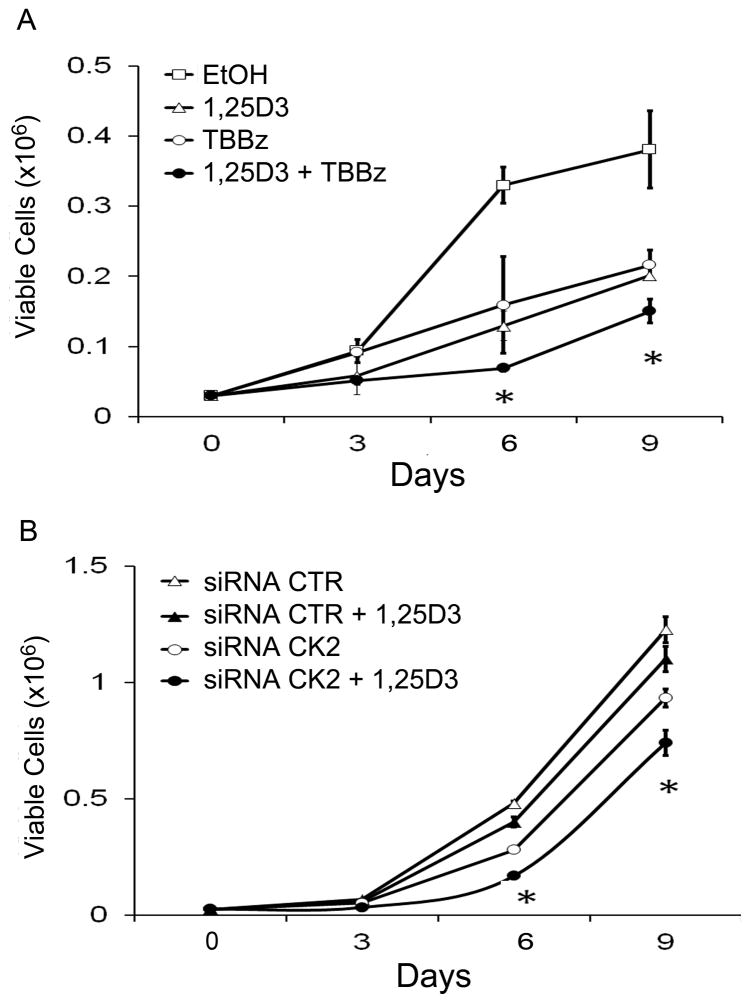
Figure 5. Enhancement of inhibitory effect of 1,25D3 in prostate cancer cells by TBBz or siRNA-CK2
(A) PC3 cells were treated with TBBz (5 μM), 1,25D3 (100 nM) or the combination of TBBz and 1,25D3. Viable cells were determined using trypan blue exclusion assay on day 3, 6 and 9. (B) PC3 cells were transfected with siRNA-CK2 or siRNA control for 72 h. Following transfection, cells were treated with EtOH or 1,25D3 (100 nM). Viable cells were determined on day 3, 6 and 9. (*, P < 0.01)
Figure 6
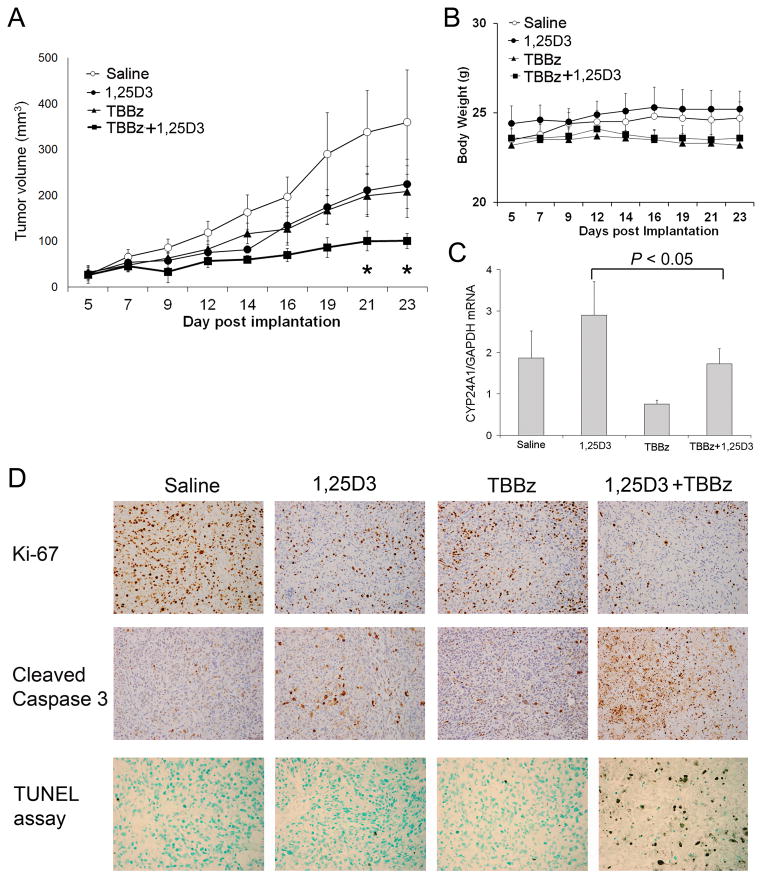
Figure 6. TBBz enhances 1,25D3 anti-tumor effect in PC3 xenograft mouse model
PC3 prostate cancer cells were inoculated subcutaneously into the right flank of male SCID mice. When the tumors were palpable, animals were treated intraperitoneally with saline, 1,25D3, TBBz or the combinations of 1,25D3 and TBBz as described in Material and Methods. (A) Tumor growth was monitored by measuring tumor size three times per week. Tumor volumes were calculated by (length × width2)/2. (*, P < 0.01). (B) Mouse weight was measured three times per week. (C) PC3 tumors were harvested after the treatment, and CYP24A1 mRNA expression in tumor tissues was determined by qRT-PCR. (D) PC3 tumors were harvested after the treatment, and immunohistochemical staining of Ki-67 and cleaved Caspase-3 in tissues was performed. Nuclear DNA fragmentation in situ was detected using TACS-XL In Situ Apoptosis Detection Kit in tumor tissues (× 200).

References

    1. Morris HA. Vitamin D: a hormone for all seasons--how much is enough? Clin Biochem Rev. 2005;26:21–32. - PMC - PubMed
    1. Omdahl JL, Morris HA, May BK. Hydroxylase enzymes of the vitamin D pathway: expression, function, and regulation. Annu Rev Nutr. 2002;22:139–66. - PubMed
    1. Deeb KK, Trump DL, Johnson CS. Vitamin D signalling pathways in cancer: potential for anticancer therapeutics. Nature reviews Cancer. 2007;7:684–700. - PubMed
    1. Vaisanen S, Dunlop TW, Sinkkonen L, Frank C, Carlberg C. Spatio-temporal activation of chromatin on the human CYP24 gene promoter in the presence of 1alpha,25-Dihydroxyvitamin D3. J Mol Biol. 2005;350:65–77. - PubMed
    1. Pike JW, Meyer MB. The vitamin D receptor: new paradigms for the regulation of gene expression by 1,25-dihydroxyvitamin D(3) Endocrinology and metabolism clinics of North America. 2010;39:255–69. table of contents. - PMC - PubMed

Publication types

MeSH terms