


Inhibition of p38 MAPK attenuates renal atrophy and fibrosis in a murine renal artery stenosis model
- PMID: 23364805
- PMCID: PMC3625852
- DOI: 10.1152/ajprenal.00706.2012
Inhibition of p38 MAPK attenuates renal atrophy and fibrosis in a murine renal artery stenosis model
Abstract
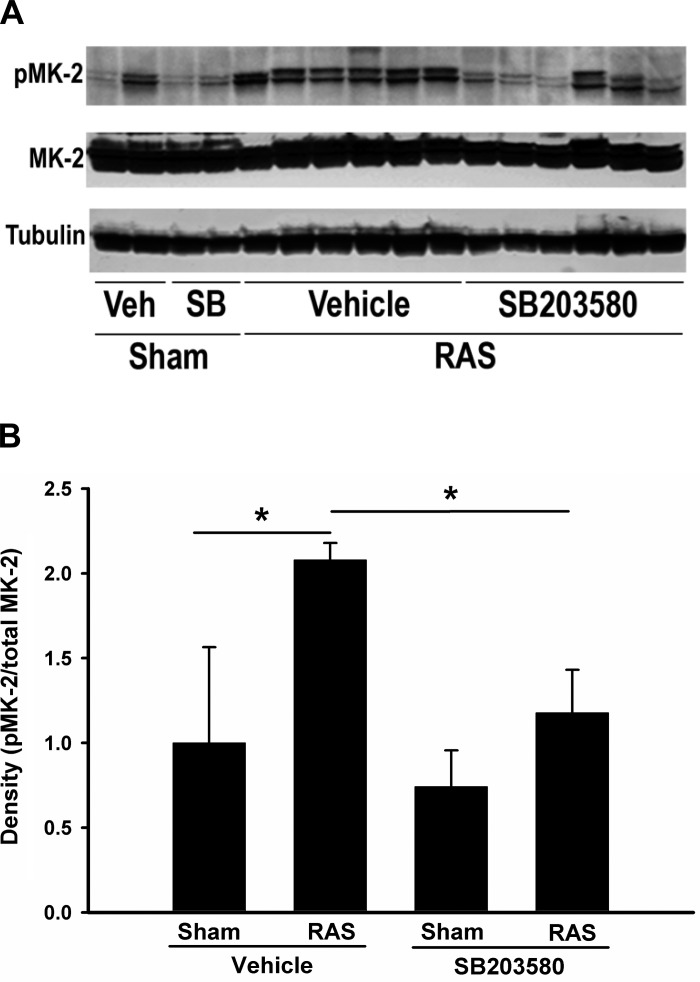
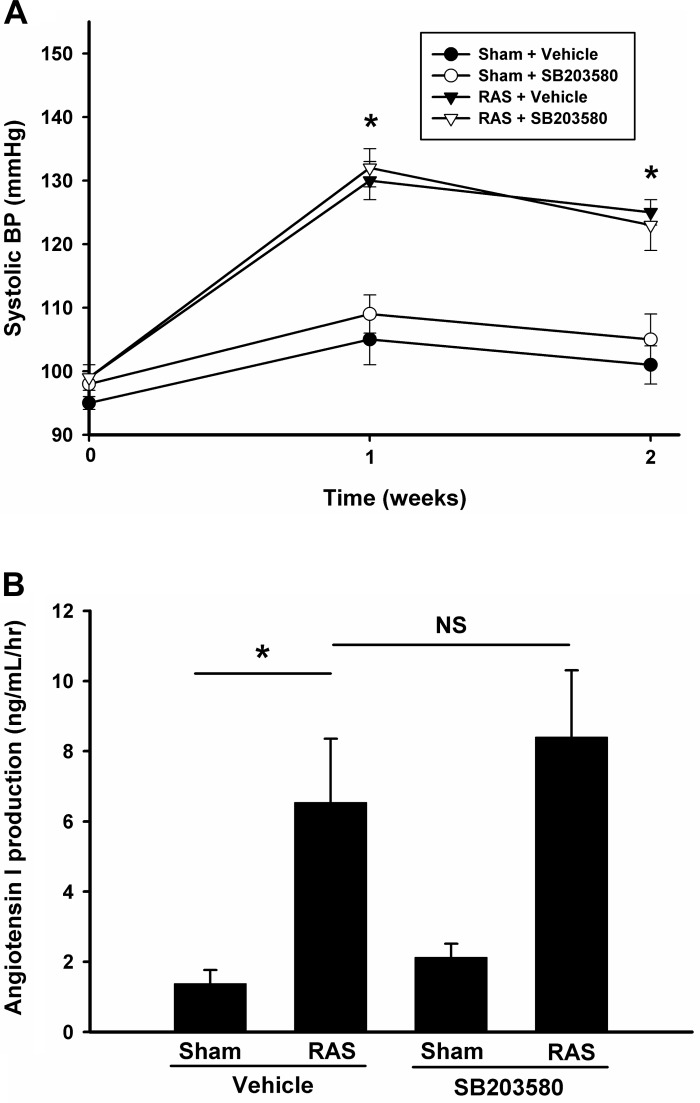
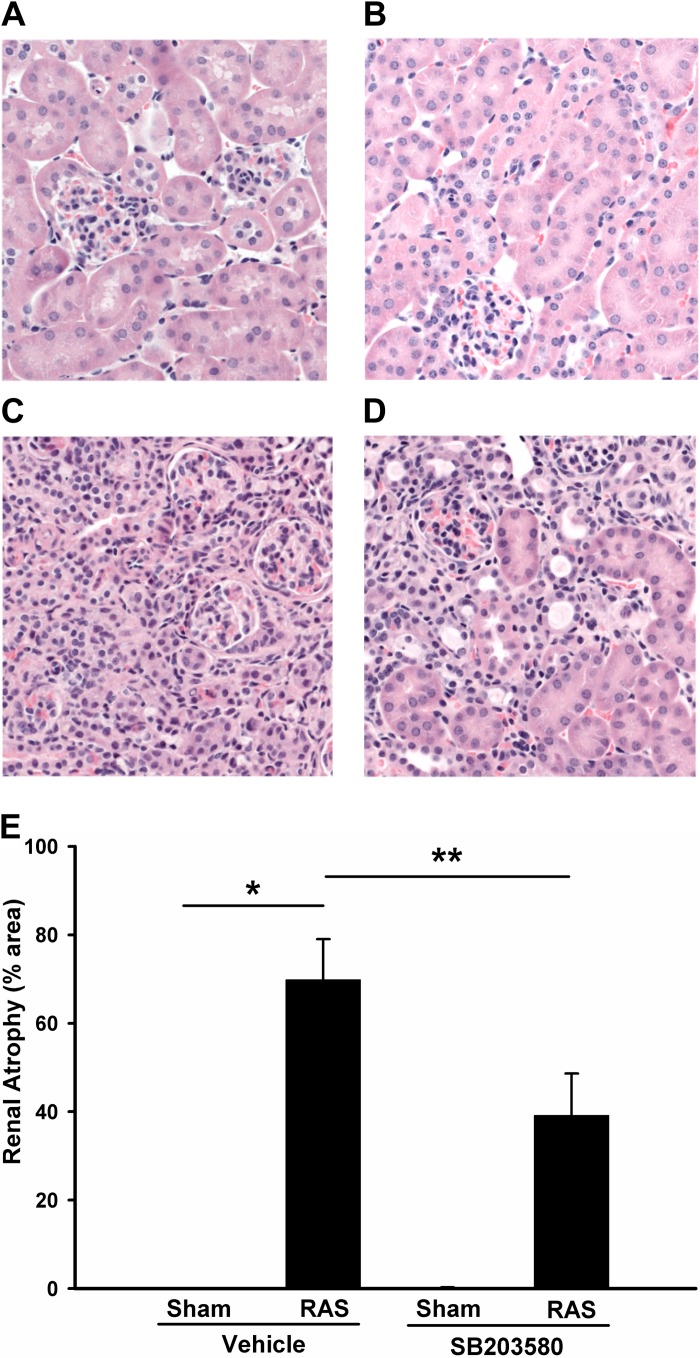
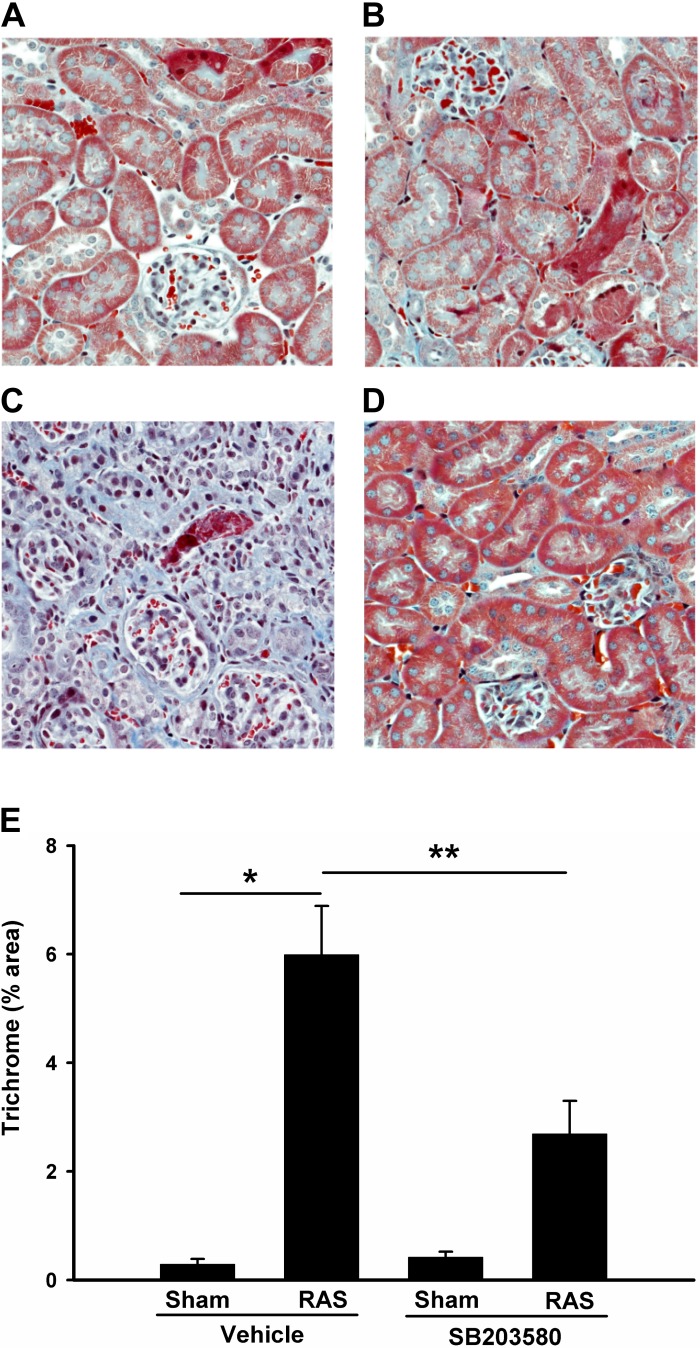
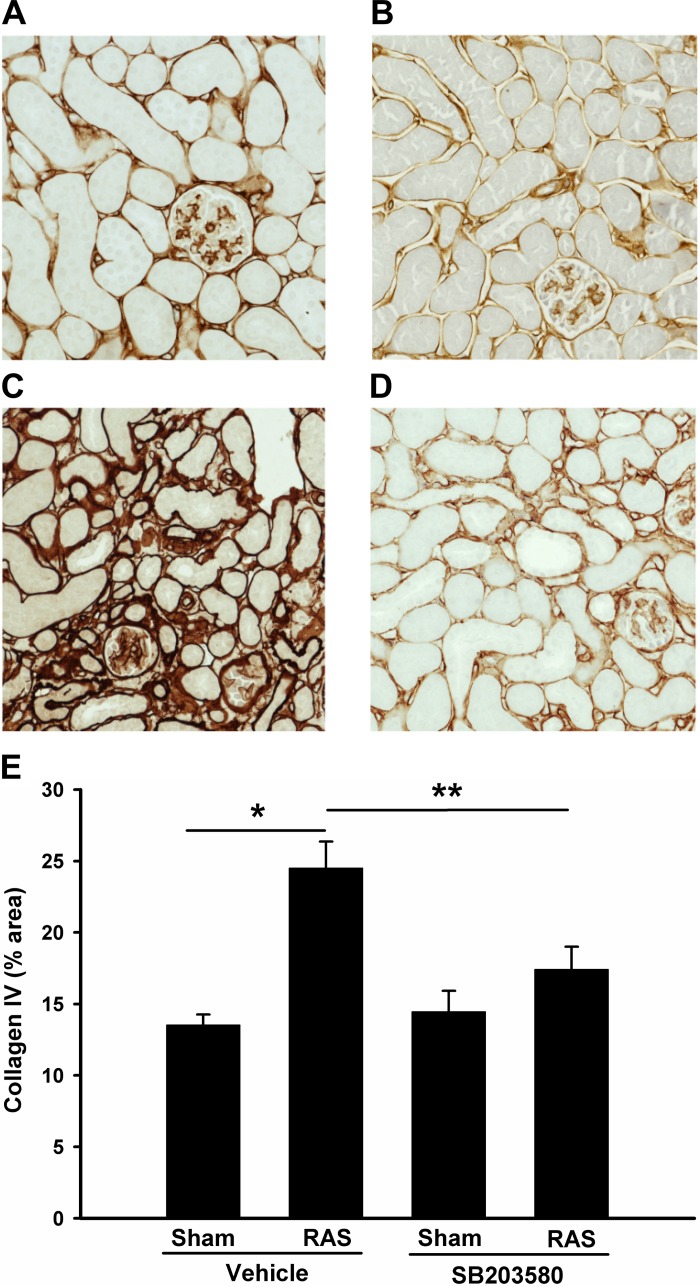
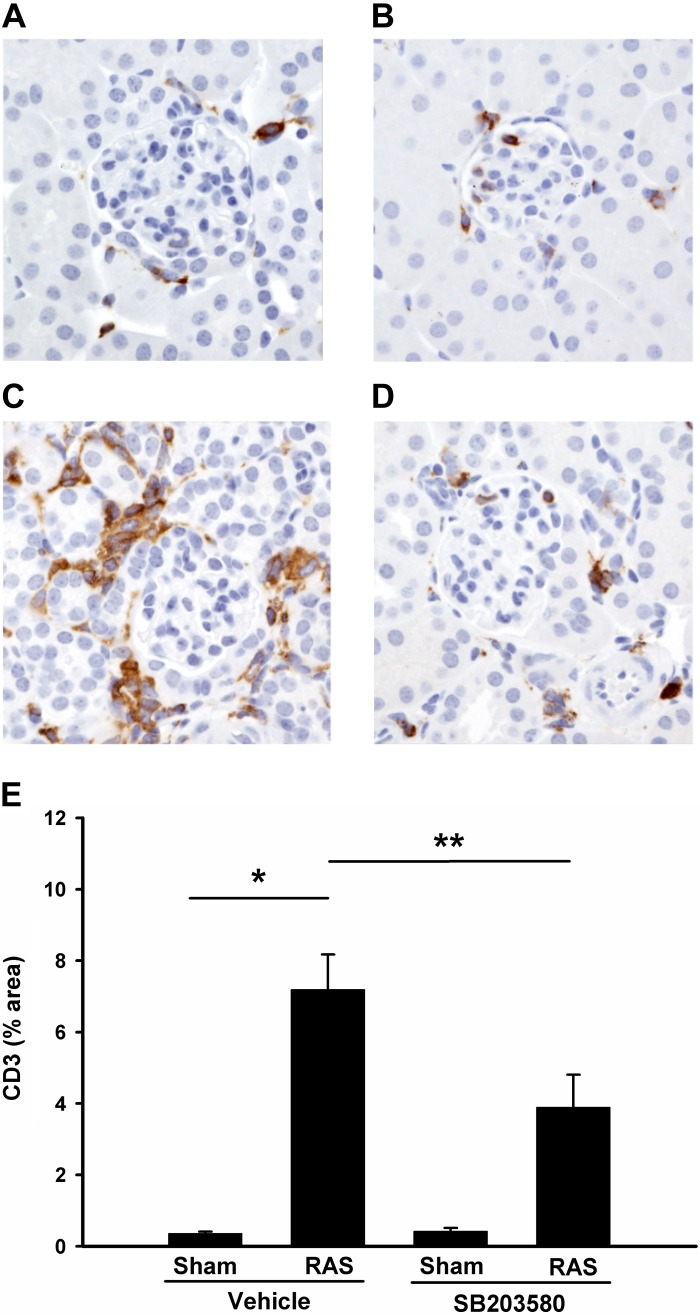
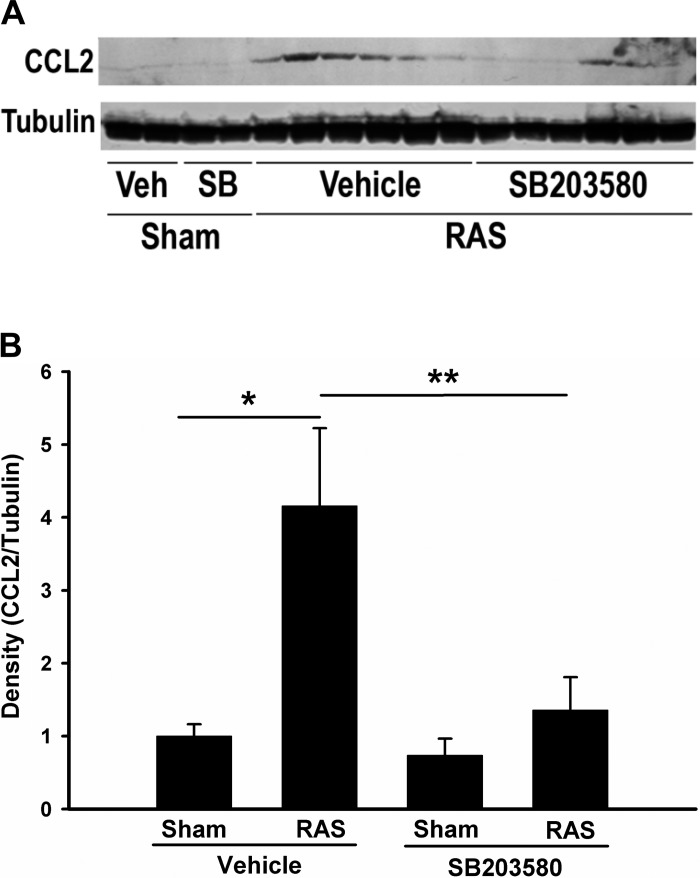
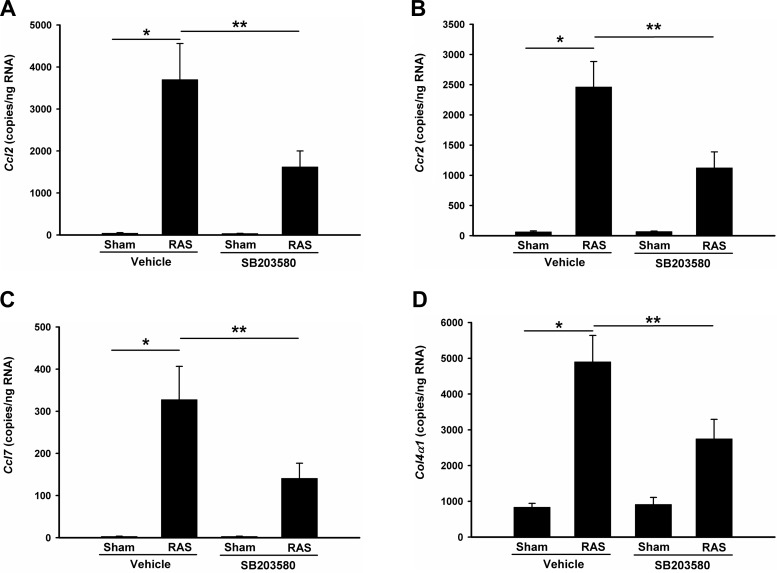
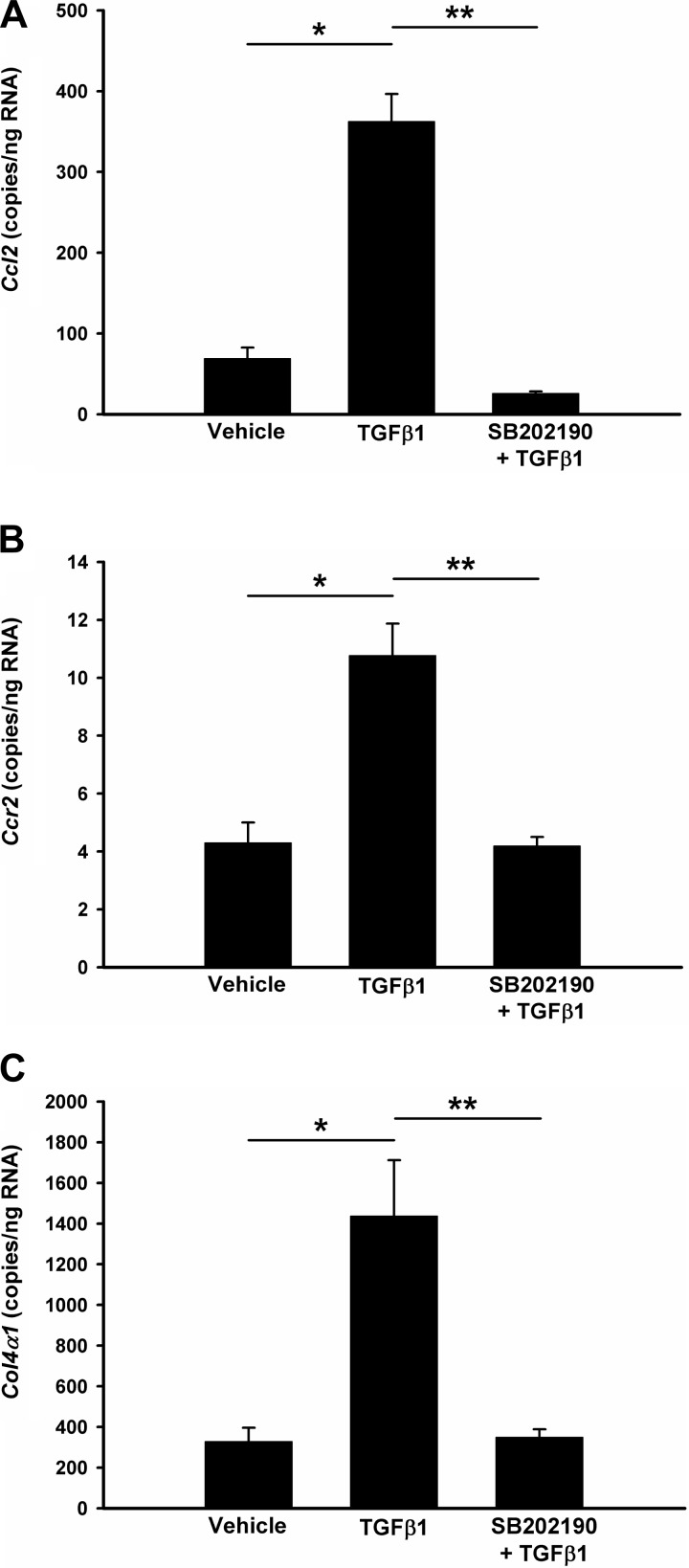
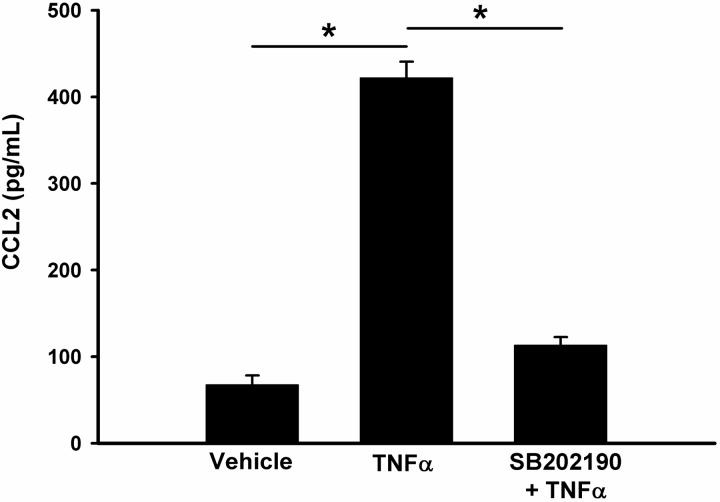
Renal artery stenosis (RAS) is an important cause of chronic renal dysfunction. Recent studies have underscored a critical role for CCL2 (MCP-1)-mediated inflammation in the progression of chronic renal damage in RAS and other chronic renal diseases. In vitro studies have implicated p38 MAPK as a critical intermediate for the production of CCL2. However, a potential role of p38 signaling in the development and progression of chronic renal disease in RAS has not been previously defined. We sought to test the hypothesis that inhibition of p38 MAPK ameliorates chronic renal injury in mice with RAS. We established a murine RAS model by placing a cuff on the right renal artery and treated mice with the p38 inhibitor SB203580 or vehicle for 2 wk. In mice treated with vehicle, the cuffed kidney developed interstitial fibrosis, tubular atrophy, and interstitial inflammation. In mice treated with SB203580, the RAS-induced renal atrophy was reduced (70% vs. 39%, P < 0.05). SB203580 also reduced interstitial inflammation and extracellular matrix deposition but had no effect on the development of hypertension. SB203580 partially blocked the induction of CCL2, CCL7 (MCP-3), CC chemokine receptor 2 (CCR2), and collagen 4 mRNA expression in the cuffed kidneys. In vitro, blockade of p38 hindered both TNF-α and TGF-β-induced CCL2 upregulation. Based on these observations, we conclude that p38 MAPK plays a critical role in the induction of CCL2/CCL7/CCR2 system and the development of interstitial inflammation in RAS.
Figures
References
-
- Bao W, Behm DJ, Nerurkar SS, Ao Z, Bentley R, Mirabile RC, Johns DG, Woods TN, Doe CP, Coatney RW, Ohlstein JF, Douglas SA, Willette RN, Yue TL. Effects of p38 MAPK Inhibitor on angiotensin II-dependent hypertension, organ damage, and superoxide anion production. J Cardiovasc Pharmacol 49: 362– 368, 2007 - PubMed
-
- Bian ZM, Elner SG, Yoshida A, Kunkel SL, Su J, Elner VM. Activation of p38, ERK1/2 and NIK pathways is required for IL-1β and TNF-α-induced chemokine expression in human retinal pigment epithelial cells. Exp Eye Res 73: 111– 121, 2001 - PubMed
-
- Brook M, Tchen CR, Santalucia T, McIlrath J, Arthur JS, Saklatvala J, Clark AR. Posttranslational regulation of tristetraprolin subcellular localization and protein stability by p38 mitogen-activated protein kinase and extracellular signal-regulated kinase pathways. Mol Cell Biol 26: 2408– 2418, 2006 - PMC - PubMed
-
- Cheng J, Diaz Encarnacion MM, Warner GM, Gray CE, Nath KA, Grande JP. TGF-β1 stimulates monocyte chemoattractant protein-1 expression in mesangial cells through a phosphodiesterase isoenzyme 4-dependent process. Am J Physiol Cell Physiol 289: C959– C970, 2005 - PubMed
Publication types
MeSH terms
Substances
Grants and funding
LinkOut - more resources
Full Text Sources
Other Literature Sources
Molecular Biology Databases
Miscellaneous
