. 2013;8(1):e54842.
doi: 10.1371/journal.pone.0054842. Epub 2013 Jan 23.

Decision support system for the response to infectious disease emergencies based on WebGIS and mobile services in China

Affiliations

Decision support system for the response to infectious disease emergencies based on WebGIS and mobile services in China

Ya-pin Li et al. PLoS One. 2013.

Abstract

Background: For years, emerging infectious diseases have appeared worldwide and threatened the health of people. The emergence and spread of an infectious-disease outbreak are usually unforeseen, and have the features of suddenness and uncertainty. Timely understanding of basic information in the field, and the collection and analysis of epidemiological information, is helpful in making rapid decisions and responding to an infectious-disease emergency. Therefore, it is necessary to have an unobstructed channel and convenient tool for the collection and analysis of epidemiologic information in the field.

Methodology/principal findings: Baseline information for each county in mainland China was collected and a database was established by geo-coding information on a digital map of county boundaries throughout the country. Google Maps was used to display geographic information and to conduct calculations related to maps, and the 3G wireless network was used to transmit information collected in the field to the server. This study established a decision support system for the response to infectious-disease emergencies based on WebGIS and mobile services (DSSRIDE). The DSSRIDE provides functions including data collection, communication and analyses in real time, epidemiological detection, the provision of customized epidemiological questionnaires and guides for handling infectious disease emergencies, and the querying of professional knowledge in the field. These functions of the DSSRIDE could be helpful for epidemiological investigations in the field and the handling of infectious-disease emergencies.

Conclusions/significance: The DSSRIDE provides a geographic information platform based on the Google Maps application programming interface to display information of infectious disease emergencies, and transfers information between workers in the field and decision makers through wireless transmission based on personal computers, mobile phones and personal digital assistants. After a 2-year practice and application in infectious disease emergencies, the DSSRIDE is becoming a useful platform and is a useful tool for investigations in the field carried out by response sections and individuals. The system is suitable for use in developing countries and low-income districts.


Conflict of interest statement

Competing Interests: The authors have declared that no competing interests exist.

Figures

Figure 1
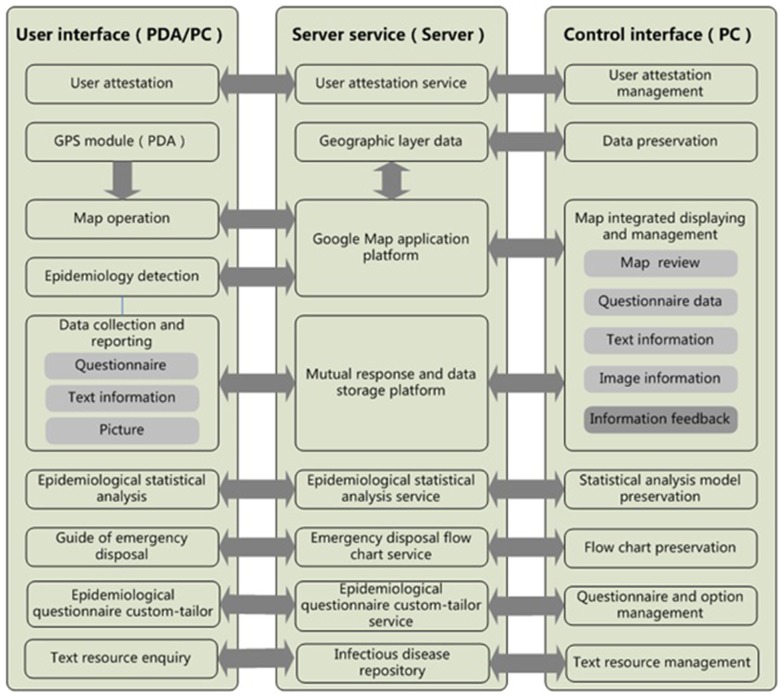
Figure 1. The system structure of the DSSRIDE.
A B/S (Browser/Server) structure was used. General users access the interface by PC, PDA or mobile phone in the field, the server service provides data and map services to the users, and the control interface is accessed by the super administrator to add or delete data.
Figure 2
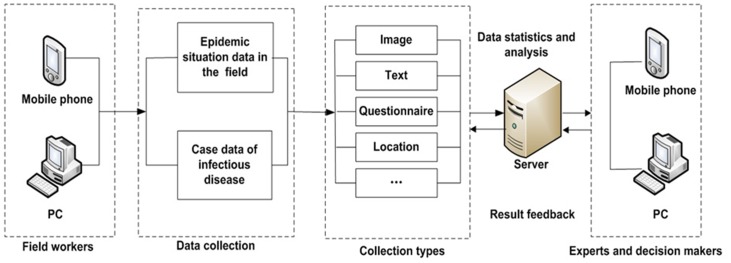
Figure 2. Flow chart of data collection, transmission, and information feedback between medical workers in the field and decision makers.
Medical workers collect epidemiological information of patients, contact persons, the epidemic situation and locations by PC or PDA, and then send the data to the server. Experts analyze the data and provide feedback to workers in the field to guide their work in the field in real time.
Figure 3
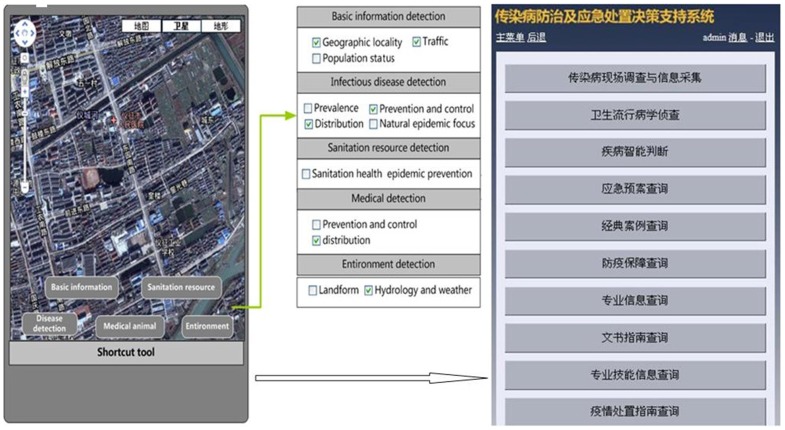
Figure 3. Epidemiological detection using PDA interfaces.
Function design of epidemiological detection for the PDA client and application interface.
Figure 4
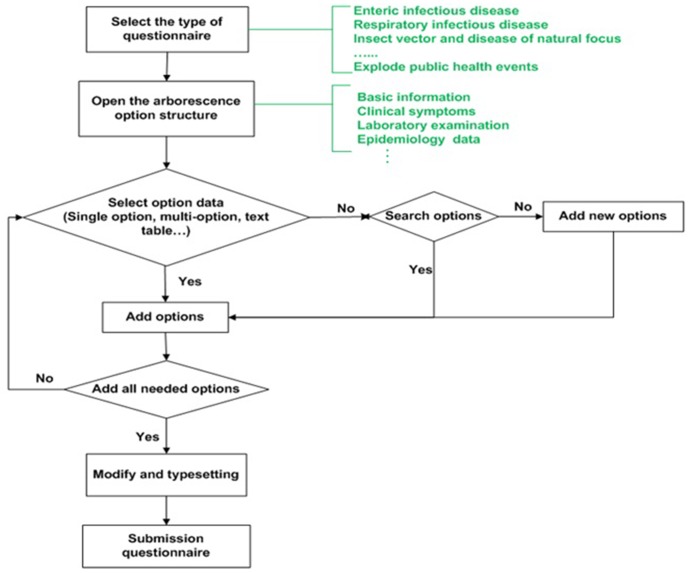
Figure 4. Flow chart of the questionnaire custom-tailor.
The DSSRIDE provides more than 200 types of epidemiological questionnaires for users, and questionnaire custom-tailor is a new function for users in special emergency environments.
Figure 5
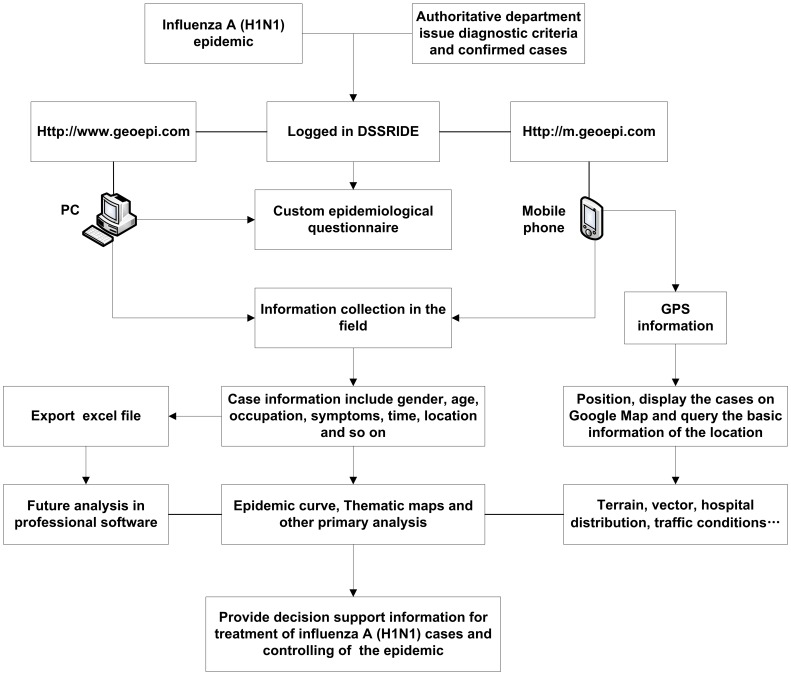
Figure 5. Application of the DSSRIDE in the prevention and control of the influenza A (H1N1) epidemic in 2009.
Figure 6
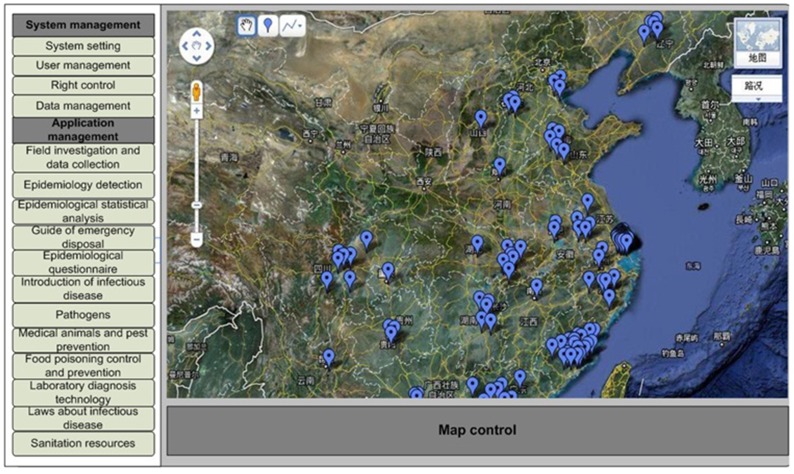
Figure 6. Data display and analysis in real time for the 2009 influenza A (H1N1) outbreak in mainland China.
PC interface of the DSSRIDE and distribution of influenza A (H1N1) cases in the early stage of the epidemic in mainland China.
Figure 7
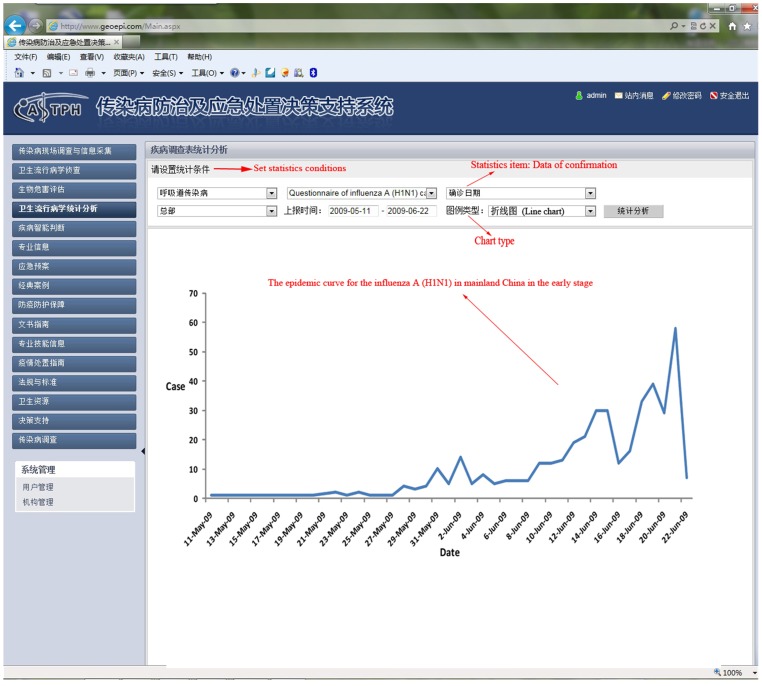
Figure 7. The epidemic curve for the influenza A (H1N1) in mainland China in the early stage from May 10 to June 22.
Figure 8
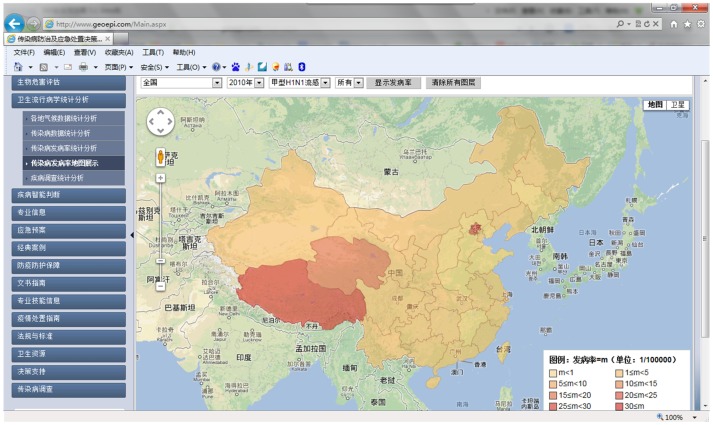
Figure 8. Hypsometric thematic map of the incidence of influenza A (H1N1) in different provinces in mainland China.
We see the incidence of influenza A (H1N1) in different provinces in mainland China.
Figure 9
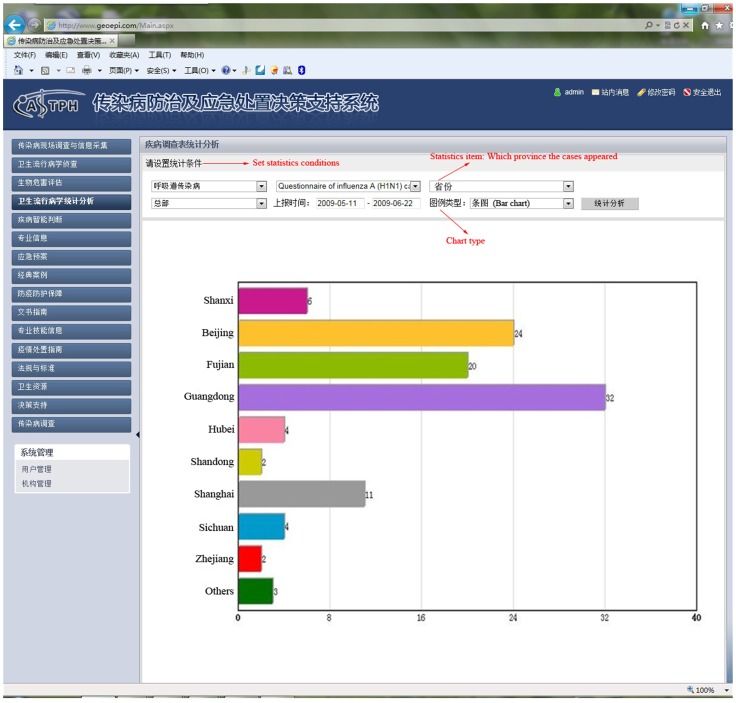
Figure 9. Bar chart of the distribution of influenza A (H1N1) cases in different provinces in early stage of the epidemic in the DSSRIDE.
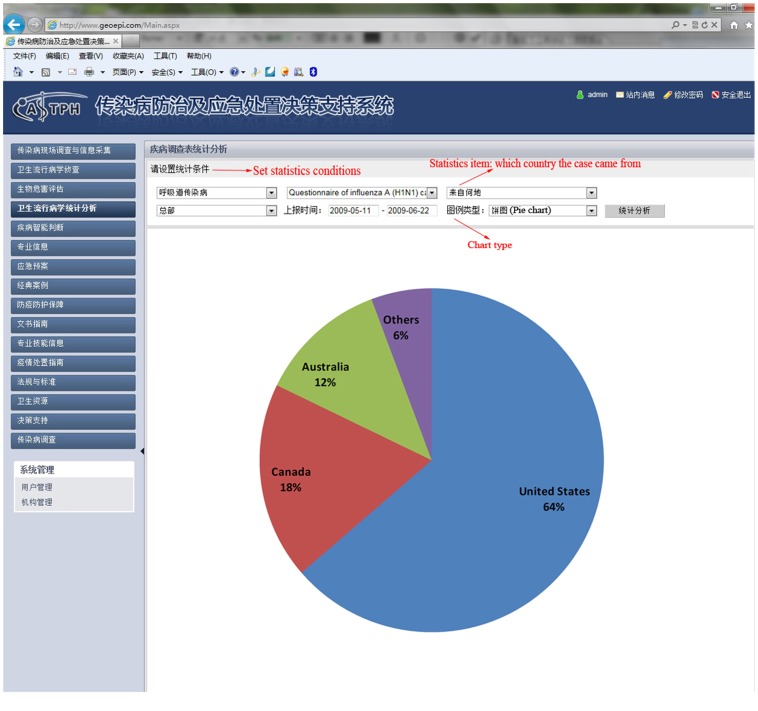
Using the DSSRIDE, users could analyze the collected data in real time and display them in various ways; e.g., as a bar chart, pie chart, line chart, or thematic map.
Figure 10
Figure 10. In the early stage of influenza A (H1N1) in mainland China, most of the cases were imported cases and came from United States, Canada and Australia.
This pie showed the constituent ratio of these cases.

References

    1. Jones KE, Patel NG, Levy MA, Storeygard A, Balk D, et al. (2008) Global trends in emerging infectious diseases. Nature 451: 990–993. - PMC - PubMed
    1. Castillo-Salgado C (2010) Trends and directions of global public health surveillance. Epidemiol Rev 32: 93–109. - PubMed
    1. Coker RJ, Hunter BM, Rudge JW, Liverani M, Hanvoravongchai P (2011) Emerging infectious diseases in southeast Asia: regional challenges to control. Lancet 377: 599–609. - PMC - PubMed
    1. Dowell SF, Tappero JW, Frieden TR (2011) Public Health in Haiti-Challenges and Progress. N Engl J Med 364: 300–301. - PubMed
    1. Chan EH, Brewer TF, Madoff LC, Pollack MP, Sonricker AL, et al. (2010) Global capacity for emerging infectious disease detection. Proc Natl Acad Sci USA 107: 21701–21706. - PMC - PubMed

Publication types