Review
. 2013 Jan 31;152(3):394-405.
doi: 10.1016/j.cell.2012.11.043.

Gene copy-number alterations: a cost-benefit analysis

Affiliations
Review

Gene copy-number alterations: a cost-benefit analysis

Yun-Chi Tang et al. Cell. .

Abstract

Changes in DNA copy number, whether confined to specific genes or affecting whole chromosomes, have been identified as causes of diseases and developmental abnormalities and as sources of adaptive potential. Here, we discuss the costs and benefits of DNA copy-number alterations. Changes in DNA copy number are largely detrimental. Amplifications or deletions of specific genes can elicit discrete defects. Large-scale changes in DNA copy number can also cause detrimental phenotypes that are due to the cumulative effects of copy-number alterations of many genes simultaneously. On the other hand, studies in microorganisms show that DNA copy-number alterations can be beneficial, increasing survival under selective pressure. As DNA copy-number alterations underlie many human diseases, we will end with a discussion of gene copy-number changes as therapeutic targets.


Figures

Figure 1
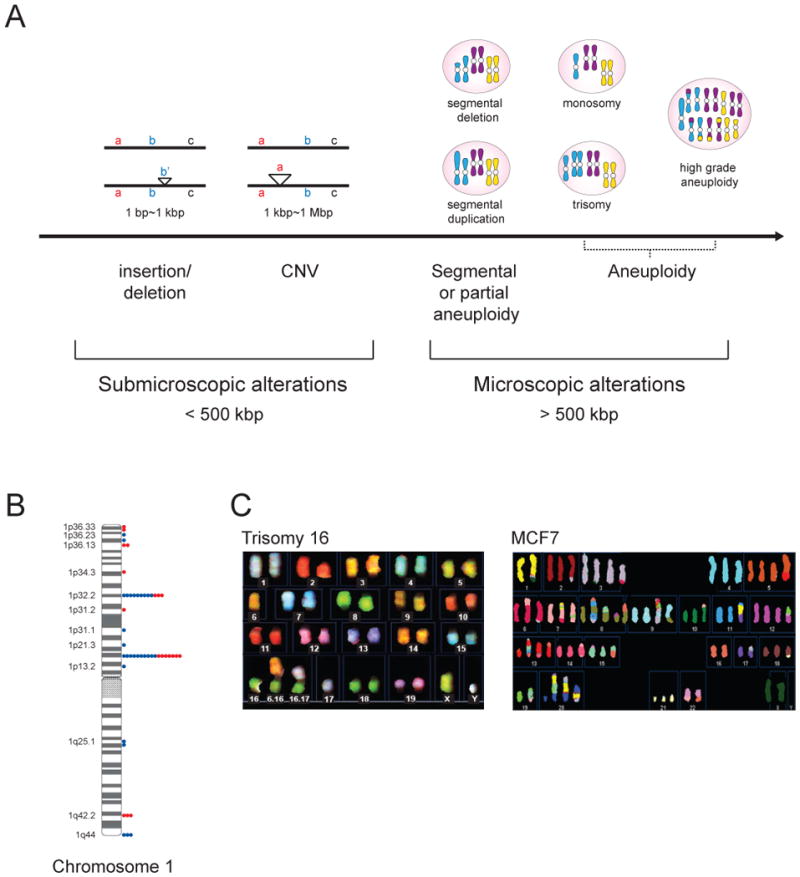
Figure 1. Defining DNA copy number alterations
(A) DNA copy number alterations can be categorized into submicroscopic variations, which are smaller than 500 kbp and microscopy alterations, which are greater than 500 kbp. DNA copy number changes between 1 bp and 1 kbp in size are called insertions or deletions, depending on whether DNA is gained or lost, respectively. Copy number variations (CNVs) vary between 1kbp and 1Mbp in size. Examples for CNVs here are shown for duplication. Microscopically visible karyotype changes are called segmental or partial aneuploidies, when parts of chromosomes are amplified or deleted. Whole chromosomes losses or gains are called aneuploidies. (B) CNV distribution on human chromosome 1. Dots show the number of individuals with copy gains (blue) or losses (red) among 39 unrelated, healthy control individuals. (data from (Iafrate et al., 2004). (C) Spectral karyotyping (SKY) analysis of a trisomy 16 mouse embryonic fibroblast cell line (data from (Williams et al., 2008) and a MCF-7 breast cancer cell line (data from http://www.path.cam.ac.uk/~pawefish/BreastCellLineDescriptions/mcf7.htm).
Figure 2
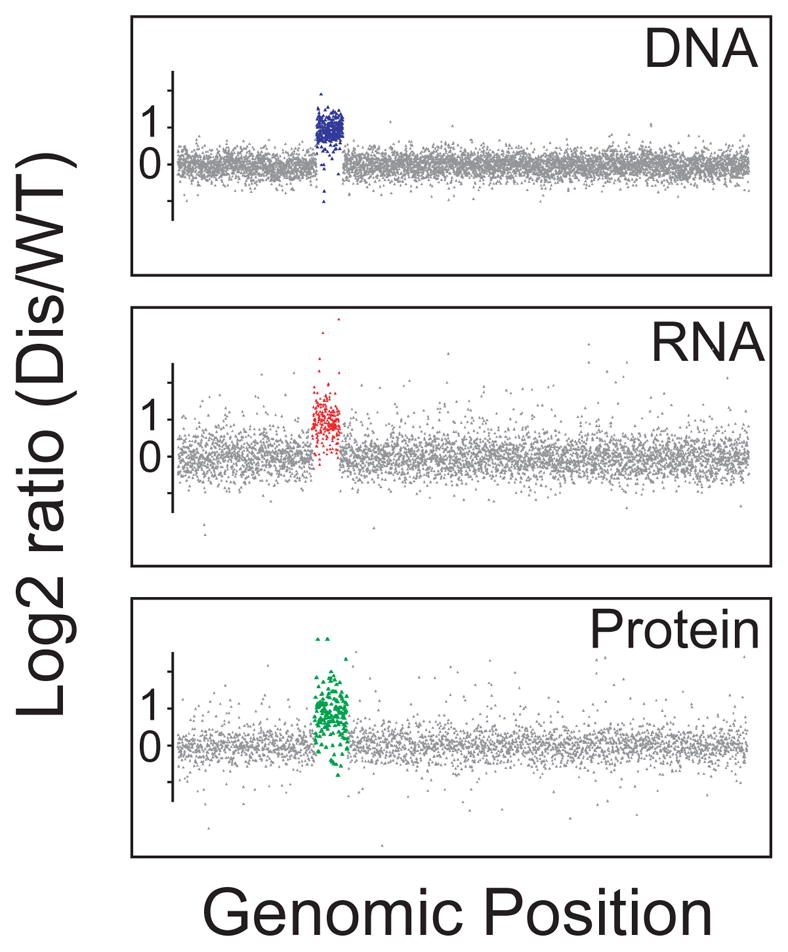
Figure 2. Aneuploid chromosomes are active in budding yeast
DNA, RNA and protein content of a budding yeast strain carrying an additional copy of chromosome V (data from Torres et al., 2010).
Figure 3
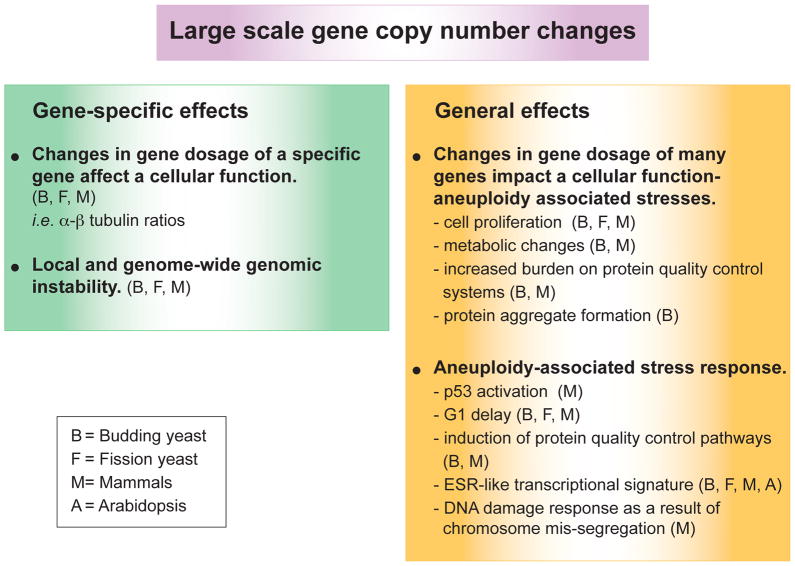
Figure 3. Gene-specific and general effects of aneuploidy on fitness
See text for details.
Figure 4
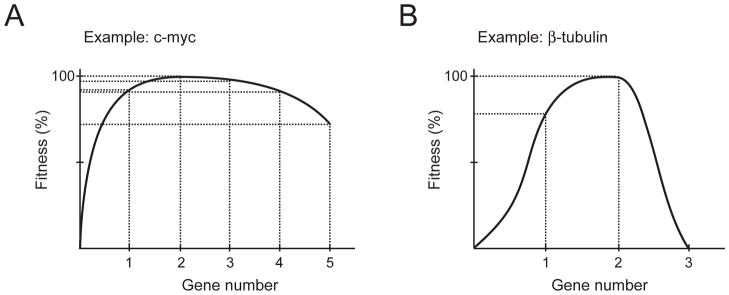
Figure 4. Effects of increasing and decreasing gene copy number
(A) Increasing or decreasing the levels of most genes by 50% has a minimal impact on fitness, but decreases or increases beyond that can affect fitness (based on Kacser and Burns, 1981). (B) Changing the copy number of structural genes can have dramatic effects. The example of the β-tubulin-encoding gene is shown (Katz et al., 1990).
Figure 5
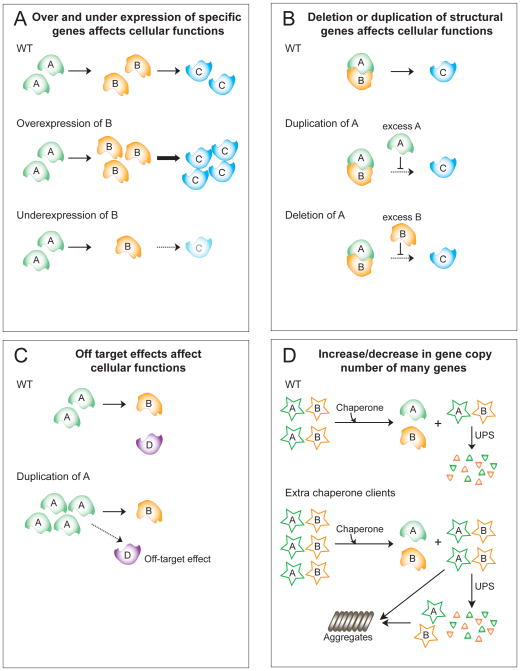
Figure 5. Consequences of changes in gene copy number
(A) An increased dosage of a single gene, such as a rate-limiting enzyme B, can increase the output or function of a cellular pathway. Conversely, reduction of enzyme B will diminish the production of C thus decreasing pathway activity. (B) Altered gene dosage can interfere with the function of stoichiometry-sensitive complexes, with excess of protein A or protein B inhibiting the function of C and therefore decreasing pathway activity. (C) Overexpression of a regulatory enzyme can lead to off-target effects. For example overexpression of a protein kinase or protein phosphatase can cause deregulation of pathways that proteins usually do not function in. (D) Changes in the copy number of many genes simultaneously can impact protein quality control mechanisms such as molecular chaperones and the ubiquitin–proteasome system (UPS). Misfolded proteins can eventually form aggregates.
Figure 6
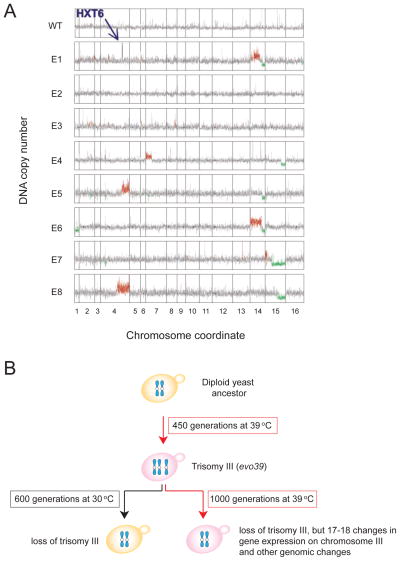
Figure 6. Small and large-scale gene copy number alterations arise during adaptive evolution experiments
(A) Eight S. cerevisiae strains were isolated after growth under glucose-limiting conditions for 100–500 generations and DNA content was assessed. Red and green indicate gene copy number amplification and reduction, respectively. HXT6 encodes a high-affinity hexose transporter and is amplified in evolved strains E1, 5, and 8. Data from (Dunham et al., 2002). (B) Trisomy 3 is a transient intermediate during continuous growth at 39°C. Cells were grown for 450 generations at 39°C. Many isolates harbored an additional copy of chromosomes III. Upon return to the permissive temperature (30°C) the trisomy was quickly lost. The trisomy was also lost after continuous growth at 39°C (1000 generations) and replaced by changes in the expression of genes that confer resistance to high temperature.

References

    1. Alkan C, Coe BP, Eichler EE. Genome structural variation discovery and genotyping. Nat Rev Genet. 2011;12:363–376. - PMC - PubMed
    1. Baker DJ, Jeganathan KB, Cameron JD, Thompson M, Juneja S, Kopecka A, Kumar R, Jenkins RB, de Groen PC, Roche P, et al. BubR1 insufficiency causes early onset of aging-associated phenotypes and infertility in mice. Nat Genet. 2004;36:744–749. - PubMed
    1. Baselga J, Norton L, Albanell J, Kim YM, Mendelsohn J. Recombinant humanized anti-HER2 antibody (Herceptin) enhances the antitumor activity of paclitaxel and doxorubicin against HER2/neu overexpressing human breast cancer xenografts. Cancer Res. 1998;58:2825–2831. - PubMed
    1. Berletch JB, Yang F, Xu J, Carrel L, Disteche CM. Genes that escape from X inactivation. Hum Genet. 2011;130:237–245. - PMC - PubMed
    1. Brauer MJ, Huttenhower C, Airoldi EM, Rosenstein R, Matese JC, Gresham D, Boer VM, Troyanskaya OG, Botstein D. Coordination of growth rate, cell cycle, stress response, and metabolic activity in yeast. Mol Biol Cell. 2008;19:352–367. - PMC - PubMed

Publication types