


Surgical inflammatory stress: the embryo takes hold of the reins again
- PMID: 23374964
- PMCID: PMC3577641
- DOI: 10.1186/1742-4682-10-6
Surgical inflammatory stress: the embryo takes hold of the reins again
Abstract
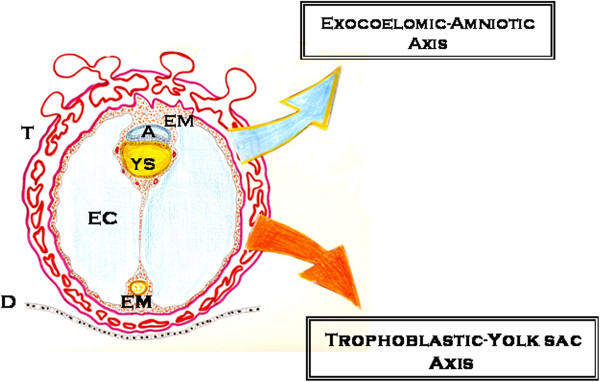
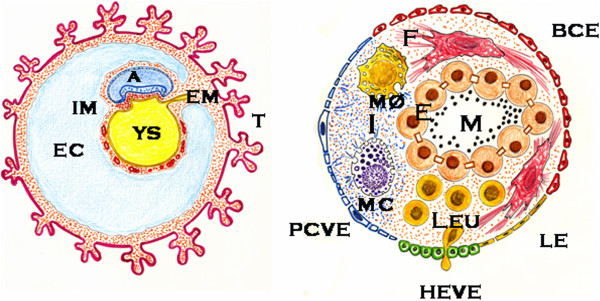
The surgical inflammatory response can be a type of high-grade acute stress response associated with an increasingly complex trophic functional system for using oxygen. This systemic neuro-immune-endocrine response seems to induce the re-expression of 2 extraembryonic-like functional axes, i.e. coelomic-amniotic and trophoblastic-yolk-sac-related, within injured tissues and organs, thus favoring their re-development. Accordingly, through the up-regulation of two systemic inflammatory phenotypes, i.e. neurogenic and immune-related, a gestational-like response using embryonic functions would be induced in the patient's injured tissues and organs, which would therefore result in their repair. Here we establish a comparison between the pathophysiological mechanisms that are produced during the inflammatory response and the physiological mechanisms that are expressed during early embryonic development. In this way, surgical inflammation could be a high-grade stress response whose pathophysiological mechanisms would be based on the recapitulation of ontogenic and phylogenetic-related functions. Thus, the ultimate objective of surgical inflammation, as a gestational process, is creating new tissues/organs for repairing the injured ones. Since surgical inflammation and early embryonic development share common production mechanisms, the factors that hamper the wound healing reaction in surgical patients could be similar to those that impair the gestational process.
Figures
References
-
- Selye H. A syndrome produced by diverse noxious agents. Nature. 1936;138:32. - PubMed
-
- Selye H. In: The stress of life. Revised edition. Selye H, editor. Mc Graw-Hill Book Co, New York; 1978. Stress and inflammation; pp. 129–143.
-
- Van de Kar LD, Richarson-Morton KD, Rittenhouse PA. In: Stress Revisited. 1. Neuroendocrinology of stress. Jasmin G, Cantin M, editor. Karger, Basel; 1991. Stress: Neuroendocrine and pharmacological mechanisms; pp. 133–173. - PubMed
-
- Laborit H. In: Stress revisited. 2. Systemic effects of stress. Methods and achievements in Experimental Pathology. Jasmin G, Proschek L, editor. Karger, Basel; 1991. The major mechanisms of stress; pp. 1–26. - PubMed
Publication types
MeSH terms
LinkOut - more resources
Full Text Sources
Other Literature Sources
Medical
