


Viral shedding and immune responses to respiratory syncytial virus infection in older adults
- PMID: 23382572
- PMCID: PMC3610422
- DOI: 10.1093/infdis/jit038
Viral shedding and immune responses to respiratory syncytial virus infection in older adults
Abstract
Background: Comprehensive analyses of host, viral, and immune factors associated with severe respiratory syncytial virus (RSV) infection in adults have not been performed.
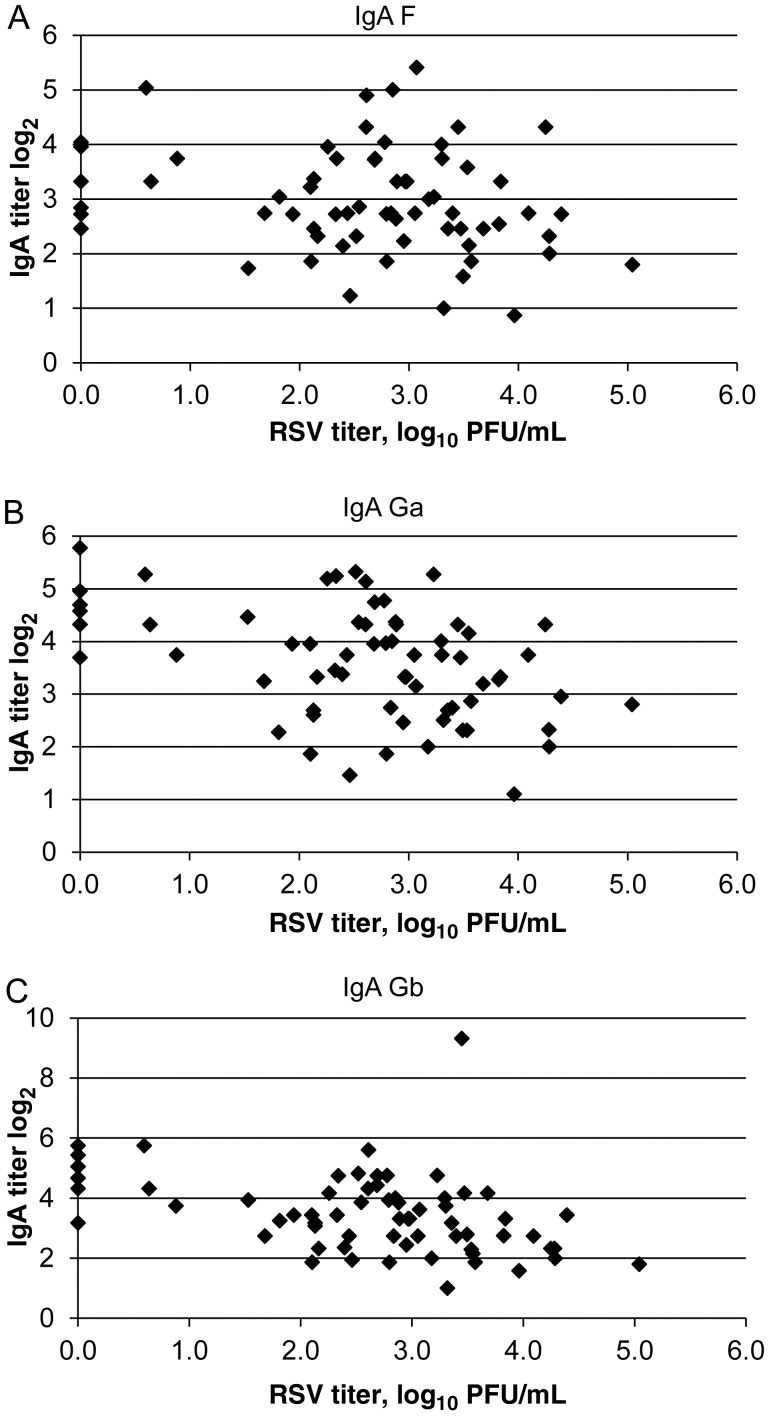
Methods: Adults with RSV infection identified in both outpatient and inpatient settings were evaluated. Upper and lower respiratory tract virus load, duration of virus shedding, select mucosal chemokine and cytokine levels, humoral and mucosal immunoglobulin responses, and systemic T-cell responses were measured.
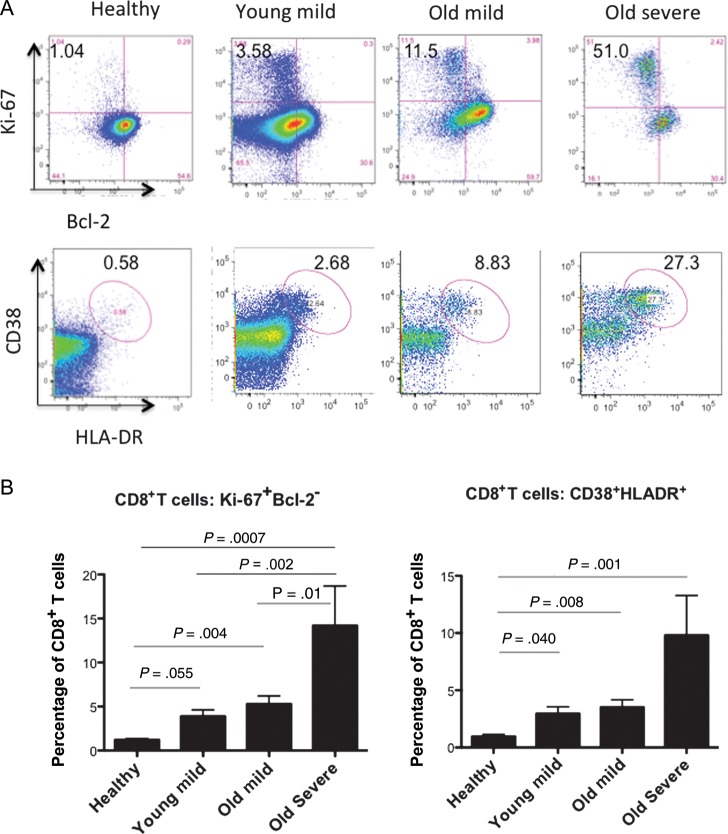
Results: A total of 111 RSV-infected adults (61 outpatients and 50 hospitalized patients) were evaluated. Hospitalized subjects shed virus in nasal secretions at higher titers and for longer durations than less ill outpatients, had greater mucosal interleukin 6 (IL-6) levels throughout infection, and had higher macrophage inflammatory protein 1α (MIP-1α) levels early in infection. Persons >64 years old and those with more severe disease had a higher frequency of activated T cells in the blood than younger, less ill subjects at infection. Multivariate analysis found that the presence of underlying medical conditions, female sex, increased mucosal IL-6 level, and longer duration of virus shedding were associated with severe disease. Older age and increased nasal MIP-1α levels were of borderline statistical significance.
Conclusions: Multiple factors, but not older age, are independently associated with severe RSV infection in adults. The presence of underlying medical conditions had the greatest influence on disease severity.
Figures
References
-
- Hall CB. Respiratory syncytial virus and parainfluenza virus. N Engl J Med. 2001;344:1917–28. - PubMed
-
- Falsey AR, Hennessey PA, Formica MA, Cox C, Walsh EE. Respiratory syncytial virus infection in elderly and high-risk adults. N Engl J Med. 2005;352:1749–59. - PubMed
-
- Henderson FW, Collier AM, Clyde WA, Denny FW. Respiratory syncytial-virus infections, reinfections and immunity. N Engl J Med. 1979;300:530–4. - PubMed
-
- Hall CB, Long CE, Schnabel KC. Respiratory syncytial virus infections in previously healthy working adults. Clin Infect Dis. 2001;33:792–6. - PubMed
Publication types
MeSH terms
Substances
Grants and funding
LinkOut - more resources
Full Text Sources
Other Literature Sources
Medical
