Review
. 2013 Feb 7;49(3):411-21.
doi: 10.1016/j.molcel.2013.01.020.

The ribosome as a hub for protein quality control

Affiliations
Review

The ribosome as a hub for protein quality control

Sebastian Pechmann et al. Mol Cell. .

Abstract

Cells face a constant challenge as they produce new proteins. The newly synthesized polypeptides must be folded properly to avoid aggregation. If proteins do misfold, they must be cleared to maintain a functional and healthy proteome. Recent work is revealing the complex mechanisms that work cotranslationally to ensure protein quality control during biogenesis at the ribosome. Indeed, the ribosome is emerging as a central hub in coordinating these processes, particularly in sensing the nature of the nascent protein chain, recruiting protein folding and translocation components, and integrating mRNA and nascent chain quality control. The tiered and complementary nature of these decision-making processes confers robustness and fidelity to protein homeostasis during protein synthesis.


Figures

Figure 1
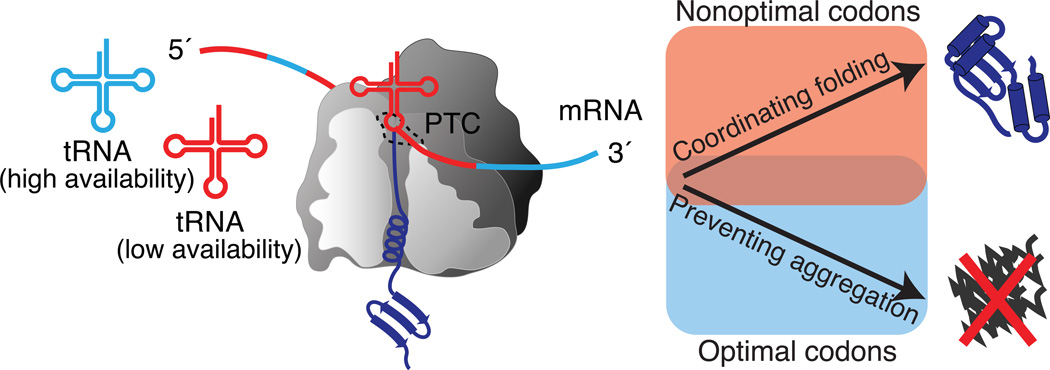
Figure 1. Translational fidelity and coordinated cotranslational folding at the ribosome
The ribosome checks many aspects of protein synthesis: proofreading of tRNA binding and peptide bond formation, and sensing conformations inside the exit tunnel. Optimal codons recognized by highly available tRNAs are translated fast and are under selection for higher translational accuracy. They are found preferentially at sites where high fidelity is important to prevent aggregation. Non-optimal codons are recognized by less abundant tRNAs, thus slow down translation. Clusters of nonoptimal codons are evolutionarily conserved and enriched in secondary-structure elements that can fold cotranslationally, suggesting a general role in coordinating cotranslational folding. [Adapted from (Pechmann and Frydman, 2012)].
Figure 2
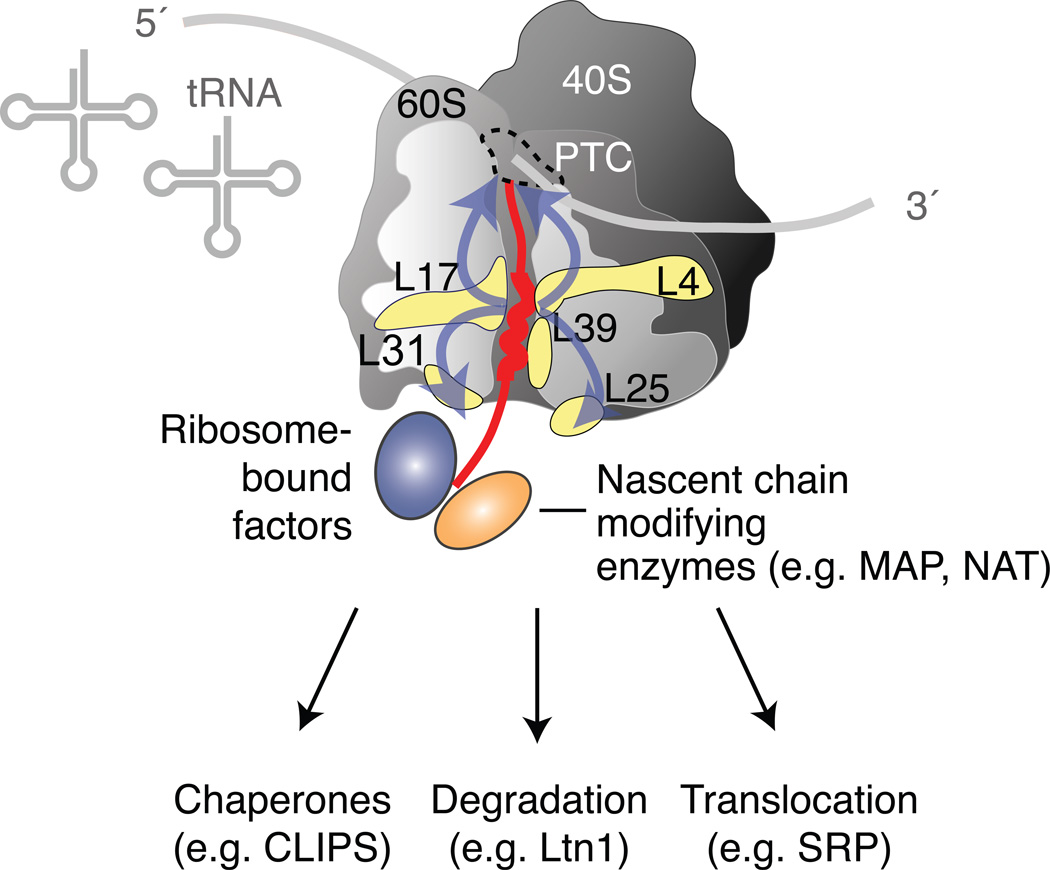
Figure 2. The ribosome as control center of nascent chain fate
The ribosome exit tunnel interacts with new polypeptides. A constriction site, in S. cerevisiae comprised of ribosome proteins L4, L17, and L39, recognizes nascent chain conformations, and communicates with both the peptidyl transferase site and with the exit site (blue arrows). Ribosome associated chaperones and nascent chain modifying enzymes bind the ribosome near the tunnel exit. The nascent chain fate can be predetermined from inside the ribosome. Chaperones promote structural maturation, E3 ligases facilitate degradation, and the SRP is recruited to the ribosome before the polypeptide has exited.
Figure 3
Figure 3. Co- and post-translationally acting chaperone networks
Prokaryotic and eukaryotic chaperone networks differ in their complexity and division of labor. In prokayotes, Trigger factor is the main ribosome-associated chaperone, folding new proteins orpassing them to the Hsp70 system of DnaK/DnaJ or the chaperonin GroEL/ES to facilitate de novo and stress-induced folding. In eukaryotes, ribosome-bound chaperones and co-chaperones like SSB, RAC, SRP, and NAC compete for overlapping ribosomal binding sites. More diverse and specialized networks of downstream chaperones split the task of mediating de novo and stress-induced folding Prefoldin and TRiC are directly coupled to protein synthesis, while Hsp90 is the primary heat shock chaperone.
Figure 4
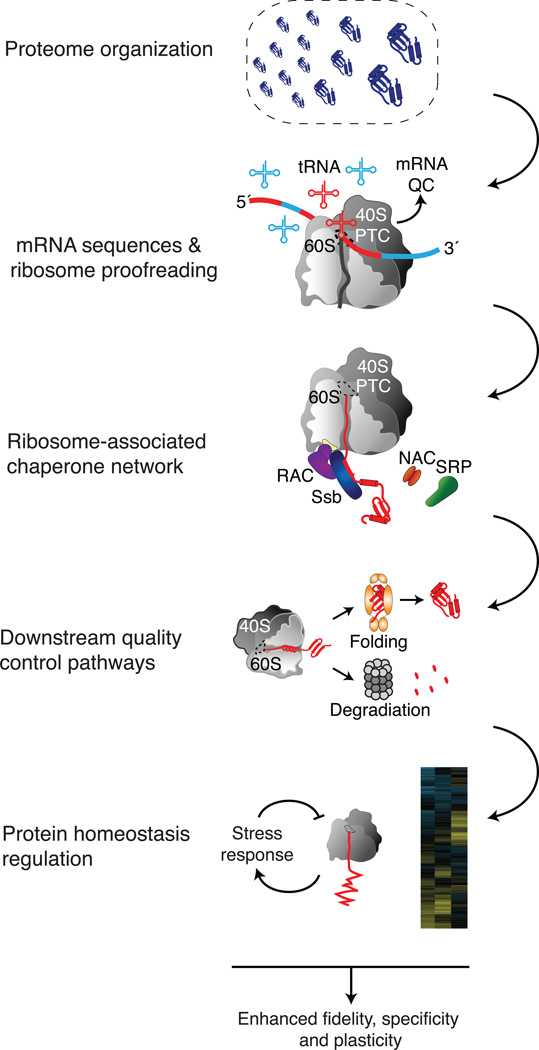
Figure 4. Sequential quality control of newly made proteins
The cell relies on tiered quality control mechanisms. Most proteins are short and fold readily, while long and folding-challenged but often functionally important proteins can rely on chaperone assistance. Individual sequences are optimized for translational fidelity, thus reducing the risk of phenotypic missense mutations, as well as to facilitate cotranslational folding. A selective ribosome-associated chaperone network binds nascent polypeptides to promote their folding or translocation. Co-chaperones add specificity and plasticity to the selection of substrates and downstream folding/degradation pathways. Stresses like heat shock can temporarily rebalance the burden of newly made proteins and chaperone capacity. This sequential organization achieves high fidelity, specificity, and plasticity.

References

    1. Agashe V, Guha S, Chang H-C, Genevaux P, Hayer-Hartl M, Stemp M, Georgopoulos C, Hartl F, Barral J. Function of trigger factor and DnaK in multidomain protein folding: increase in yield at the expense of folding speed. Cell. 2004;117:199–209. - PubMed
    1. Akashi H. Synonymous codon usage in Drosophila melanogaster: natural selection and translational accuracy. Genetics. 1994;136:927–935. - PMC - PubMed
    1. Alamo MD, Hogan DJ, Pechmann S, Albanese V, Brown PO, Frydman J. Defining the Specificity of Cotranslationally Acting Chaperones by Systematic Analysis of mRNAs Associated with Ribosome-Nascent Chain Complexes. PLoS Biol. 2011;9:e1001100. - PMC - PubMed
    1. Albanèse V, Reissmann S, Frydman J. A ribosome-anchored chaperone network that facilitates eukaryotic ribosome biogenesis. The Journal of Cell Biology. 2010;189:69–81. - PMC - PubMed
    1. Albanèse V, Yam AY-W, Baughman J, Parnot C, Frydman J. Systems analyses reveal two chaperone networks with distinct functions in eukaryotic cells. Cell. 2006;124:75–88. - PubMed

Publication types

LinkOut - more resources