. 2013;8(2):e55380.
doi: 10.1371/journal.pone.0055380. Epub 2013 Feb 6.

Fermentation of Propionibacterium acnes, a commensal bacterium in the human skin microbiome, as skin probiotics against methicillin-resistant Staphylococcus aureus

Affiliations

Fermentation of Propionibacterium acnes, a commensal bacterium in the human skin microbiome, as skin probiotics against methicillin-resistant Staphylococcus aureus

Muya Shu et al. PLoS One. 2013.

Abstract

Bacterial interference creates an ecological competition between commensal and pathogenic bacteria. Through fermentation of milk with gut-friendly bacteria, yogurt is an excellent aid to balance the bacteriological ecosystem in the human intestine. Here, we demonstrate that fermentation of glycerol with Propionibacterium acnes (P. acnes), a skin commensal bacterium, can function as a skin probiotic for in vitro and in vivo growth suppression of USA300, the most prevalent community-acquired methicillin-resistant Staphylococcus aureus (CA-MRSA). We also promote the notion that inappropriate use of antibiotics may eliminate the skin commensals, making it more difficult to fight pathogen infection. This study warrants further investigation to better understand the role of fermentation of skin commensals in infectious disease and the importance of the human skin microbiome in skin health.


Conflict of interest statement

Competing Interests: The authors would like to declare the affiliation(s) to Surface Bioadvances Inc. The manuscript did not have the affiliations to Surface Bioadvances Inc. in terms of employment, consultancy, patents, products in development or marketed products. This does not alter the authors' adherence to all the PLOS ONE policies on sharing data and materials.

Figures

Figure 1
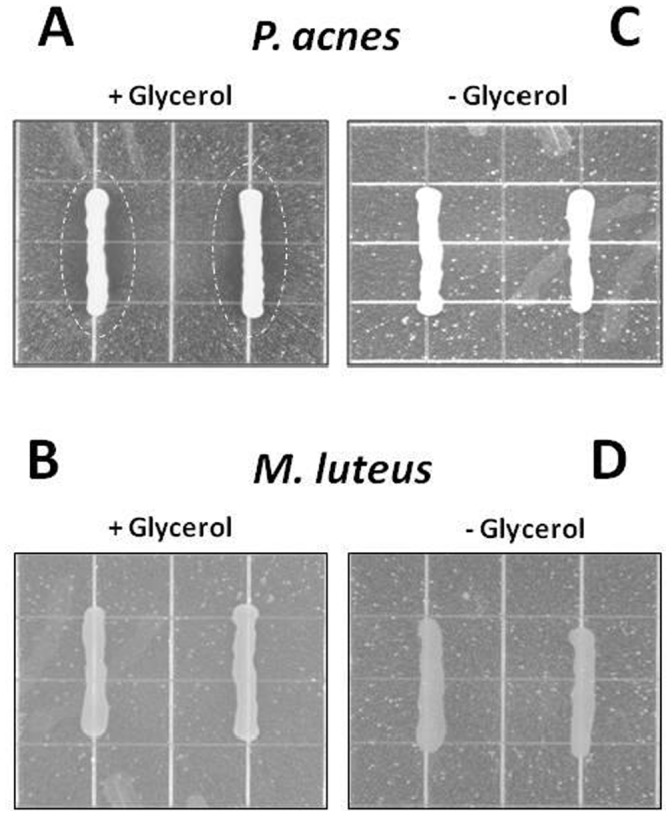
Figure 1. P. acnes interferes with the growth of USA300 in the presence of glycerol.
An overlay assay reveals zones (circles) of inhibition of USA300 growth when P. acnes (ATCC6919, 105 CFU) (A), not M. luteus (B), was grown with USA300 in the presence of glycerol in agar plates under anaerobic conditions at 30°C. No inhibition zones were developed when P. acnes (C) or M. luteus (D) was grown with USA300 in the absence of glycerol.
Figure 2
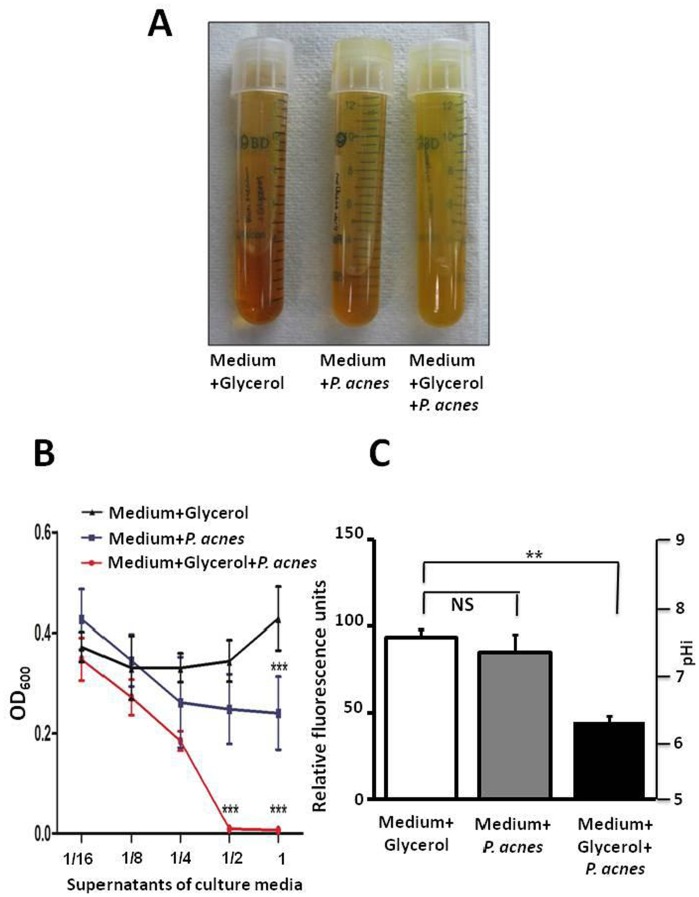
Figure 2. Probiotic effects of P. acnes fermentation against USA300 accompanied by a decrease in intracellular pH.
(A) P. acnes (105 CFU/ml), was incubated in rich medium in the absence (▪) and presence (•) of glycerol under anaerobic conditions for ten days. Rich medium plus glycerol without P. acnes (▴) was included as a control. (B) After a 17-day incubation, fermented or control media were then collected, diluted (1/2 to 1/16) and added to cultures of USA300 (105 CFU/ml) overnight. The inhibitory growth of USA300 was defined as a decline in OD600. (C) The cFSE-loaded USA300 (3×10⁴ CFU) was treated with 100 µl fermented (Medium+glycerol+P. acnes; solid bar) or control [(Medium+glycerol (open bar) and Medium+P. acnes (grey bar)] media. The change in the relative fluorescence units corresponding to intracellular pH of USA300 was measured 5 min after treatment. **P<0.01; ***P<0.001 (two-tailed t-tests). Data are the mean ± standard deviation (SD) of three individual experiments. NS: Non-significant.
Figure 3
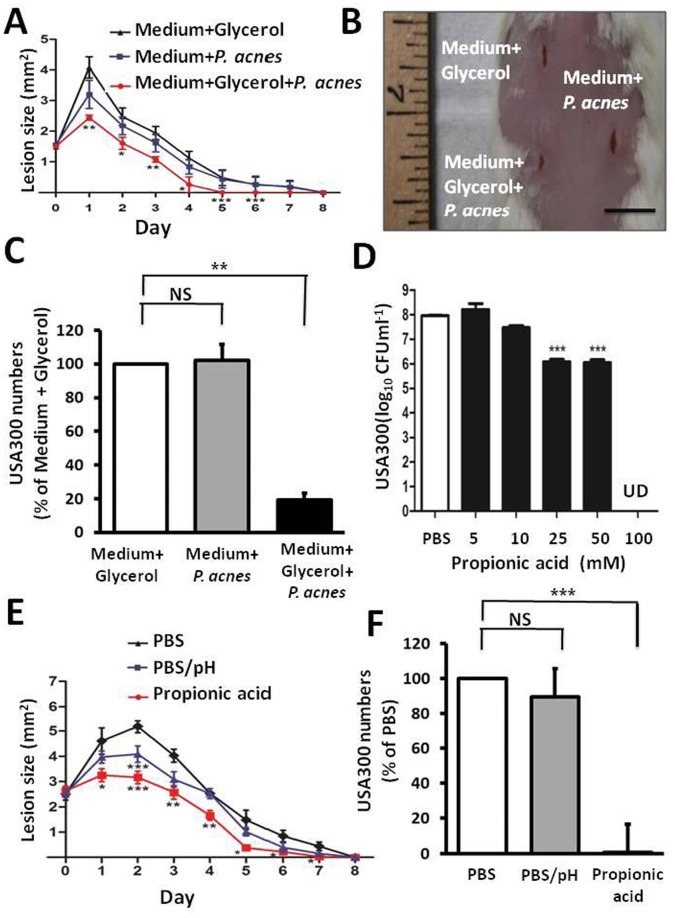
Figure 3. Fermented media of P. acnes and propionic acid suppress the infection of USA300 in mouse skin.
(A) USA300 bacteria (2×10⁶ CFU) were applied onto the wounded areas 10 min after application of culture supernatants of P. acnes in the absence and presence of glycerol or a control (medium plus glycerol). The lesion size was recorded daily for 8 days. (B) Skin lesions pictured on day 1 after bacterial application were illustrated. Bar = 1 cm. (C) Three days after bacterial application, the USA300 numbers in the skin were enumerated and presented as % of control. (D) For MBC assays, USA300 (106 CFU/ml) was incubated with propionic acid (5–100 mM in PBS) in media on a 96-well microplate overnight. Bacteria incubated with PBS alone served as a control. After incubation, USA300 was diluted 1∶10–1∶106 with PBS, and 5 µl of the dilutions were spotted on an agar plate for CFU counts. **P<0.01; ***P<0.001 (two-tailed t-tests). Data are the mean ± SD of three individual experiments. UD, undetectable. (E) USA300 bacteria (2×10⁶ CFU) were applied onto the wounded areas 10 min after application of propionic acid (5 µl; 100 mM) or PBS (5 µl). The lesion size was measured daily for 8 days. *P<0.05; **P<0.01; ***P<0.001 (A, E). (F) Three days after bacterial application, the USA300 numbers in the skin were counted and presented as % of PBS control. **P<0.01; ***P<0.001 (C, F). P-values were evaluated using two-tailed t-tests. Data are the mean ± SD of lesions from three separate experiments performed with five mice per group. NS: Non-significant.
Figure 4
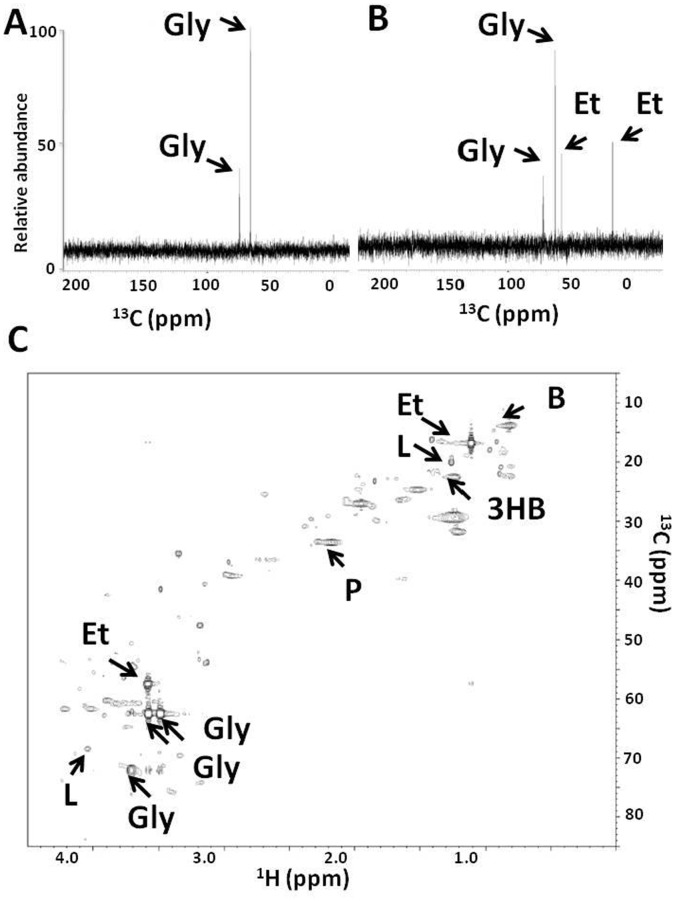
Figure 4. NMR validation of fermentation of P. acnes in mouse skin.
(B) The ear of ICR mice was intradermally injected with 13C3-glycerol (0.2 mg) and P. acnes (ATCC6919; 107 CFU in 10 µl PBS) for 3 days. (A) The other ear of the same mouse received 13C3-glycerol (0.2 mg) and PBS (10 µl) as a control. Supernatants of ear homogenates were mixed with 10% D2O and analyzed by a NMR (400 MHz JEOL JNM-ECS) spectrometer. Data from 1,024 scans were accumulated. The NMR signals (17.1 and 58.4 ppm) of 13C-ethanol (Et) metabolized from 13C3-glycerol (Gly) were detected exclusively in the mice injected with 13C3-glycerol and P. acnes. The un-metabolized 13C3-glycerol appears between 60 and 80 ppm in the 13C-NMR spectrum. (C) A 2-D 1H-13C HSQC NMR spectrum (600 MHz) was displayed. In addition to glycerol (Gly), ethanol (Et), four SCFAs [butyric acid (B), 3-hydroxy-butyric acid (3HB), lactic acid (L), and propionic acid (P)] were detected in the ear injected with glycerol and P. acnes.
Figure 5
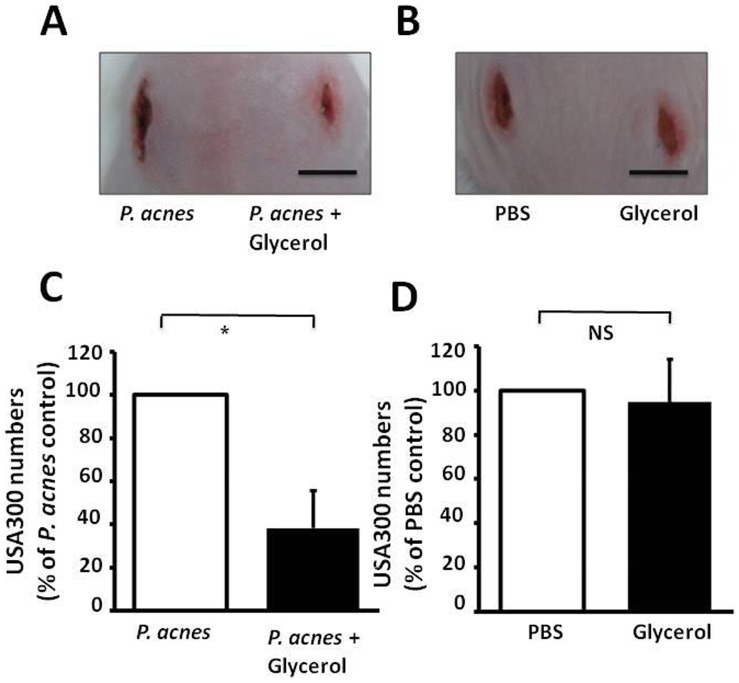
Figure 5. Glycerol fermentation of P. acnes in skin wounds diminishes the colonization of USA300.
P. acnes (107 CFU in 5 µl PBS), P. acnes and glycerol (0.2 mg), PBS (5 µl) alone or glycerol alone were applied onto the skin wounds for 3 days before administration of USA300 (107 CFU in 5 µl PBS) onto the wounded areas. (A, B) Skin lesions pictured 3 days after USA300 application were illustrated. Bar = 0.5 cm. (C) The USA300 numbers in the skin wounds were enumerated 3 days after USA300 application and presented as % of those in skin applied with P. acnes (C) or PBS (D). *P<0.05. P-values were evaluated using two-tailed t-tests. Data are the mean ± SD of lesions from five mice per group. NS: Non-significant.

References

    1. Ji G, Beavis R, Novick RP (1997) Bacterial interference caused by autoinducing peptide variants. Science 276: 2027–2030. - PubMed
    1. Falagas ME, Rafailidis PI, Makris GC (2008) Bacterial interference for the prevention and treatment of infections. Int J Antimicrob Agents 31: 518–522. - PubMed
    1. Ingram LO, Buttke TM (1984) Effects of alcohols on micro-organisms. Adv Microb Physiol 25: 253–300. - PubMed
    1. Demaerel P, Van Hecke P, Van Oostende S, Baert AL, Jaeken J, et al. (1994) Bacterial metabolism shown by magnetic resonance spectroscopy. Lancet 344: 1234–1235. - PubMed
    1. Grice EA, Segre JA (2011) The skin microbiome. Nat Rev Microbiol 9: 244–253. - PMC - PubMed

Publication types

MeSH terms