


Feather keratin hydrolysates obtained from microbial keratinases: effect on hair fiber
- PMID: 23414102
- PMCID: PMC3621039
- DOI: 10.1186/1472-6750-13-15
Feather keratin hydrolysates obtained from microbial keratinases: effect on hair fiber
Abstract
Background: Hair is composed mainly of keratin protein and a small amount of lipid. Protein hydrolysates, in particular those with low molecular weight distribution have been known to protect hair against chemical and environmental damage. Many types of protein hydrolysates from plants and animals have been used in hair and personal care such as keratin hydrolysates obtained from nails, horns and wool. Most of these hydrolysates are obtained by chemical hydrolysis and hydrothermal methods, but recently hydrolyzed hair keratin, feather keratin peptides, and feather meal peptides have been obtained by enzymatic hydrolysis using Bacillus spp in submerged fermentation.
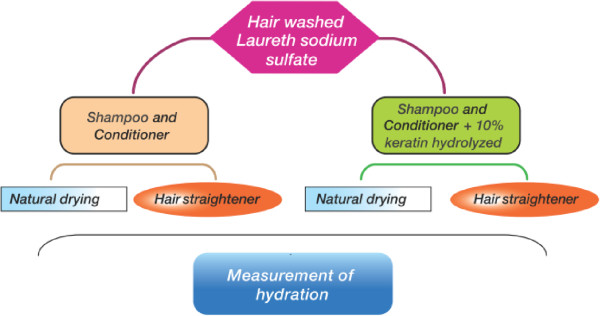
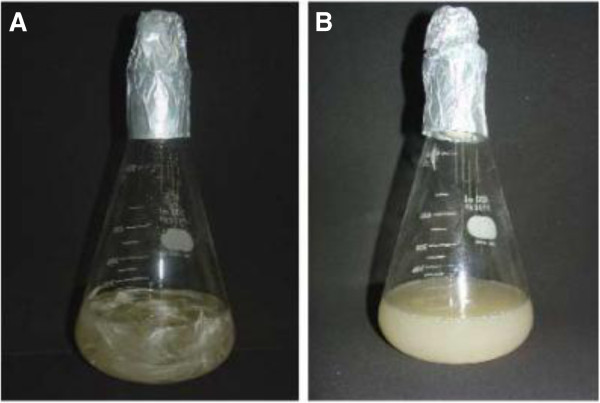
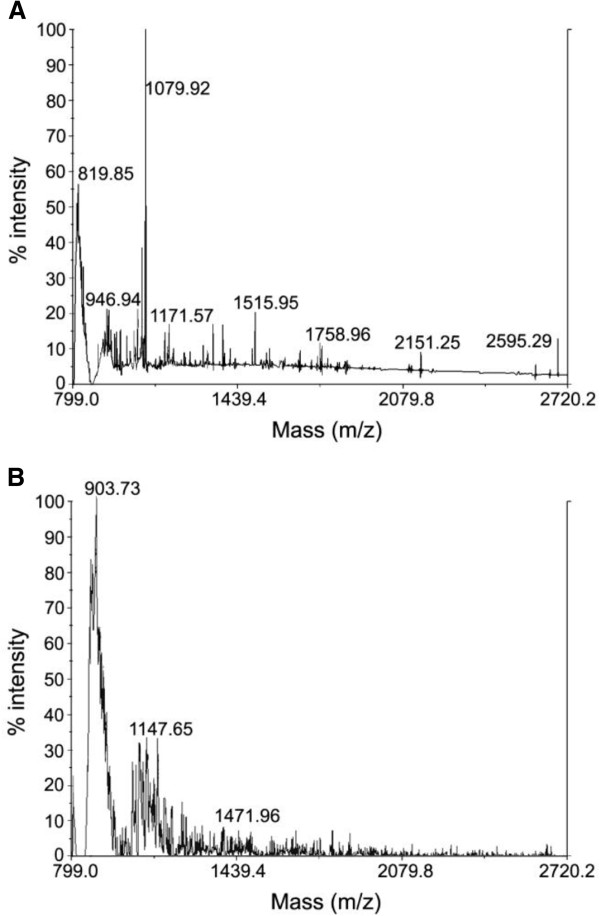
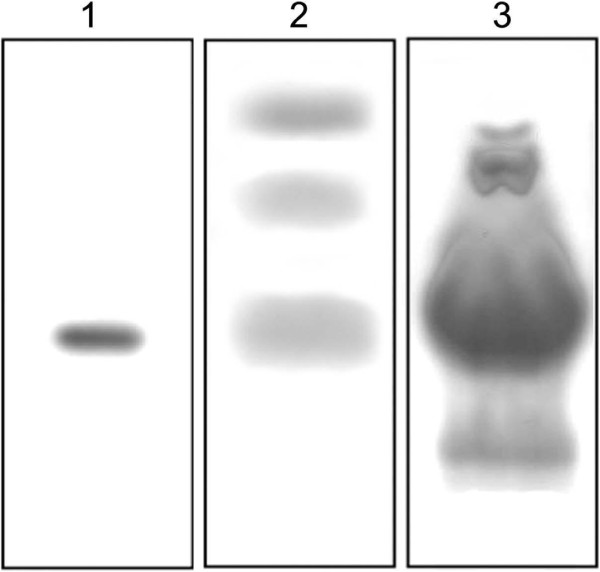
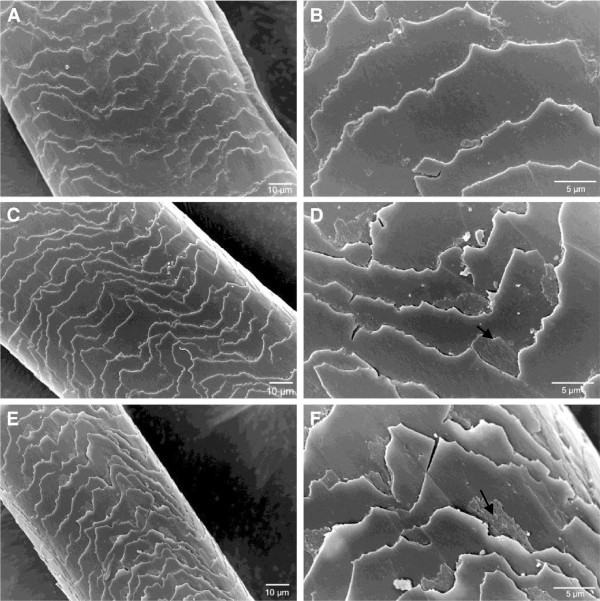
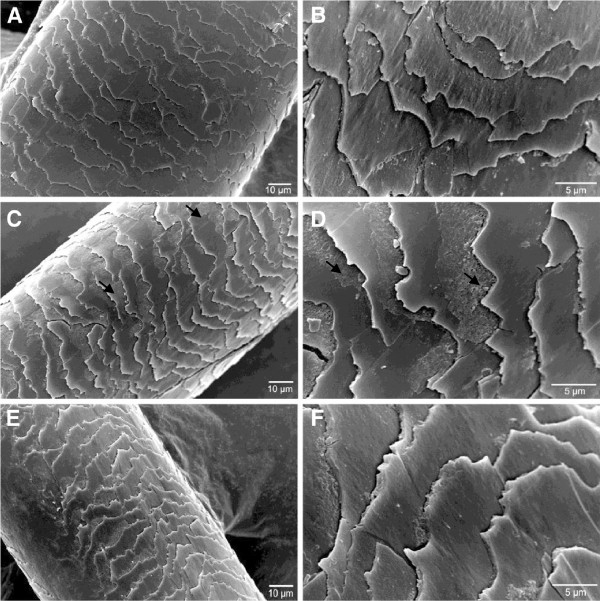
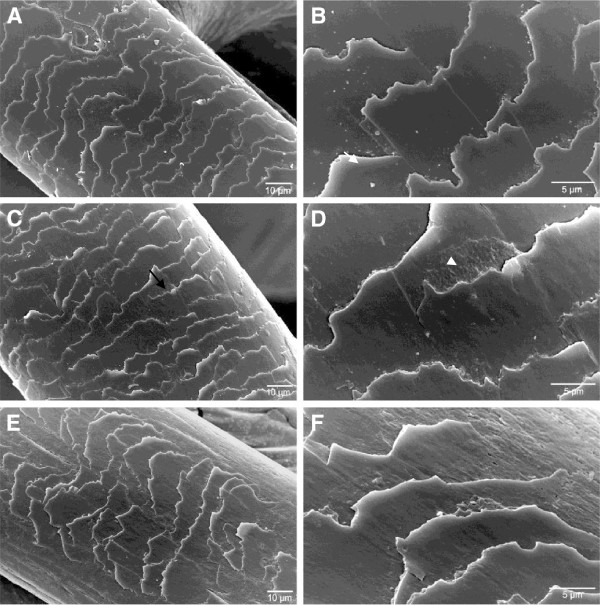
Results: Keratin peptides were obtained by enzymatic hydrolysis of keratinases using Bacillus subtilis AMR. The microorganism was grown on a feather medium, pH 8.0 (1% feathers) and supplemented with 0.01% of yeast extract, for 5 days, at 28°C with agitation. The supernatant containing the hydrolysates was colleted by centrifugation and ultra filtered in an AMICON system using nano-membranes (Millipore - YC05). The Proteins and peptides were analyzed using HPTLC and MALDI-TOF-MS. Commercial preparations of keratin hydrolysates were used as a comparative standard. After five days the feather had been degraded (90-95%) by the peptidases and keratinases of the microorganism. MALDI-TOF mass spectrometry showed multiple peaks that correspond to peptides in the range of 800 to 1079 Daltons and the commercial hydrolysate was in the range of 900 to 1400 Da. HPTLC showed lower molecular mass peptides and amino acids in the enzymatic hydrolysate when compared with the commercial hydrolysate . A mild shampoo and a rinse off conditioner were formulated with the enzymatic hydrolysate and applied to hair fibers to evaluate the hydration, with and without heat, using a Corneometer® CM 825. The hydration was more efficient with heat, suggesting a more complete incorporation of hydrolysates into the fibers. Scanning Electron Microscopy showed deposits of organic matter in the junction of the cuticles that probably collaborates to the sealing of the cuticles, increasing the brightness and softness.
Conclusions: These results show that the enzymatic method to produce keratin peptides for hair care products is an attractive and eco- friendly method with a great potential in the cosmetic industry.
Figures
References
-
- Roddick-Lanzilotta A, Kelly R, Mitchell G, Chahal S. Protecting the hair with natural keratin biopolymers. Cosm & Toil. 2006;121(5):61–68. - PubMed
-
- Horev L. Environmental and cosmetic factors in hair loss and destruction. Environmental factors in skin diseases. Curr Probl Dermatol Basel, Karger. 2007;35:103–117. - PubMed
-
- Araujo R, Fernandes M, Cavaco-Paulo A, Gomes A. Biology of human hair: know your hair to control It. Adv Biochem Eng Biotechnol. 2011;125:121–143. - PubMed
Publication types
MeSH terms
Substances
LinkOut - more resources
Full Text Sources
Other Literature Sources
Miscellaneous
