


A giant inguinoscrotal bladder hernia as a cause of chronic renal failure: A rare case
- PMID: 23416505
- PMCID: PMC3604660
- DOI: 10.1016/j.ijscr.2012.12.011
A giant inguinoscrotal bladder hernia as a cause of chronic renal failure: A rare case
Abstract
Introduction: Giant inguinoscrotal bladder hernias are very rare and require surgical intervention. They usually do not cause any specific symptoms and thus, they are often misdiagnosed. If left untreated though, they might lead to severe medical conditions, such as renal failure.
Presentation of case: We present the case of a 71-year-old male patient suffering from a giant inguinoscrotal mass, accompanied by symptoms of the lower urinary track (LUTS) and chronic renal failure.
Discussion: In our case, the patient presented with bladder hernia causing non specific symptoms of renal failure. In contrast to acute renal failure, a chronic renal impairment most often comes with no specific symptoms and thus, it can be present for many years before the diagnosis is made. It is evident that such serious conditions should be suspected and treated.
Conclusion: Inguinoscrotal bladder hernias may be associated with severe medical conditions, such as renal deterioration, and should be considered in the differential diagnosis of renal failure, when accompanied by any inguinal, scrotal, or low abdominal wall hernia.
Copyright © 2013 Surgical Associates Ltd. Published by Elsevier Ltd. All rights reserved.
Figures
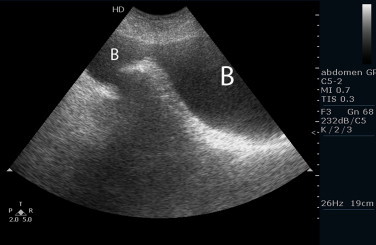
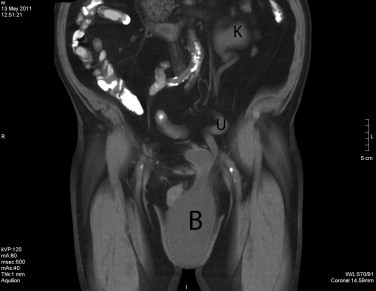
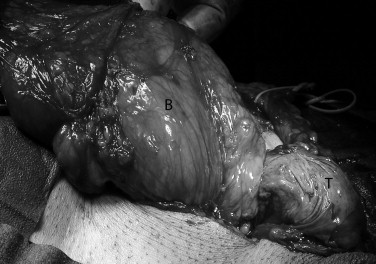
References
-
- Bjurlin M.A., Delaurentis D.A., Jordan M.D., Richter H.M., 3rd Clinical and radiographic findings of a sliding inguinoscrotal hernia containing the urinary bladder. Hernia. 2010;14(December (6)):635–638. - PubMed
-
- Wagner A.A., Arcand P., Bamberger M.H. Acute renal failure resulting from huge inguinal bladder hernia. Urology. 2004;64(July (1)):156–157. - PubMed
-
- Vindlacheruvu R.R., Zayyan K., Burgess N.A., Wharton S.B., Dunn D.C. Extensive bladder infarction in a strangulated inguinal hernia. British Journal of Urology. 1996;77(June (6)):926–927. - PubMed
-
- Oruc M.T., Akbulut Z., Ozozan O., Coskun F. Urological findings in inguinal hernias: a case report and review of the literature. Hernia. 2004;8(February (1)):76–79. - PubMed
-
- Verbeeck N., Larrousse C., Lamy S. Diagnosis of inguinal bladder hernias: the current role of sonography. JBR-BTR. 2005;88(September–October (5)):233–236. - PubMed
LinkOut - more resources
Full Text Sources
Other Literature Sources
Research Materials
