Review
. 2013 Apr;22(4):443-62.
doi: 10.1517/13543784.2013.772979. Epub 2013 Feb 21.

Optimizing biologically targeted clinical trials for neurofibromatosis

Affiliations
Review

Optimizing biologically targeted clinical trials for neurofibromatosis

David H Gutmann et al. Expert Opin Investig Drugs. 2013 Apr.

Abstract

Introduction: The neurofibromatoses (neurofibromatosis type 1, NF1 and neurofibromatosis type 2, NF2) comprise the most common inherited conditions in which affected children and adults develop tumors of the central and peripheral nervous system. In this review, the authors discuss how the establishment of the Neurofibromatosis Clinical Trials Consortium (NFCTC) has positively impacted on the design and execution of treatment studies for individuals with NF1 and NF2.

Areas covered: Using an extensive PUBMED search in collaboration with select NFCTC members expert in distinct NF topics, the authors discuss the clinical features of NF1 and NF2, the molecular biology of the NF1 and NF2 genes, the development and application of clinically relevant Nf1 and Nf2 genetically engineered mouse models and the formation of the NFCTC to enable efficient clinical trial design and execution.

Expert opinion: The NFCTC has resulted in a more seamless integration of mouse preclinical and human clinical trials efforts. Leveraging emerging enabling resources, current research is focused on identifying subtypes of tumors in NF1 and NF2 to deliver the most active compounds to the patients most likely to respond to the targeted therapy.


Figures
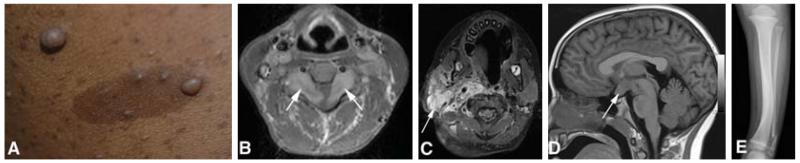
Figure 1
Figure 1. Features associated with NF1
(A) Multiple dermal neurofibromas and café-au-lait macules; (B) bilateral cervical nerve root tumors (arrows) with cord compression; (C) facial plexiform neurofibroma (arrow); (D) glioma involving the optic chiasm (arrow); (E) bowing of the tibia and fracture of the fibula.
Figure 2
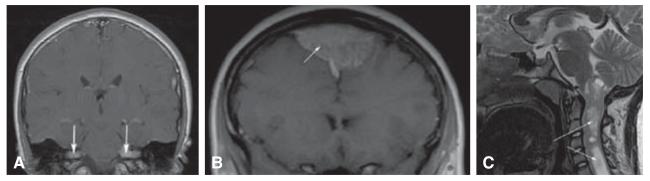
Figure 2. Features associated with NF2
(A) Bilateral vestibular schwannomas (arrows); (B) meningioma (arrow); (C) upper cervical cord ependymoma (arrows).
Figure 3
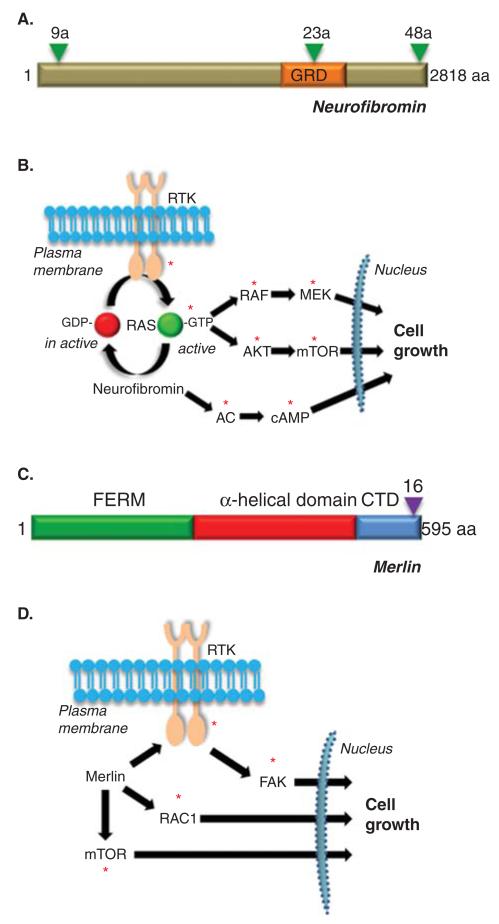
Figure 3. Structure and function of NF1 and NF2 proteins
(A) Structure of the predicted NF1 protein, neurofibromin. GRD = GAP-related domain. Triangles denote the three known alternatively spliced exons (9a, 23a and 48a). (B) Neurofibromin functions as a negative regulator of the RAS proto-oncogene and inhibits RAS activity and downstream RAS effector (RAF/MEK and AKT/mTOR) signaling. In addition, neurofibromin positive regulates adenylyl cyclase (AC) function and cyclic AMP (cAMP) generation. (C) Structure of the predicted NF2 protein, merlin or schwannomin. FERM = protein 4.1, ezrin, radixin, moesin domain. CTD = carboxyl terminal domain. The triangle denotes the alternatively spliced exon 16. (D) Merlin negatively regulates a number of intracellular signaling molecules, including mTOR, RAC1 and FAK, depending on the cell type examined. The red asterisks denote signaling intermediates that serve as potential targets for therapeutic drug design.
Figure 4
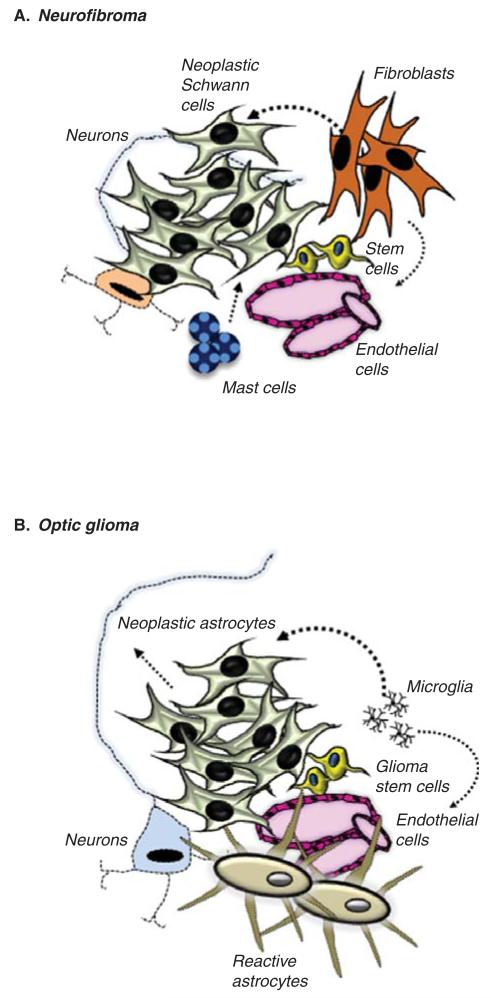
Figure 4. NF1-associated low-grade tumors are composed of a heterogeneous collection of cell types
(A) NF1-associated neurofibromas contain neoplastic NF1-deficient Schwann cells as well as NF1+/− mast cells, endothelial cells and fibroblasts that each contribute to neurofibroma formation and growth. (B) Similarly, NF1-associated optic gliomas contain NF1-deficient neoplastic glial cell types (astrocytes, glioma stem cells) coupled with NF1+/− astrocytes, neurons and microglia, which also participate in gliomagenesis and continued growth. Both the neoplastic and non-neoplastic cell types represent targets for therapeutic drug targeting.
Figure 5
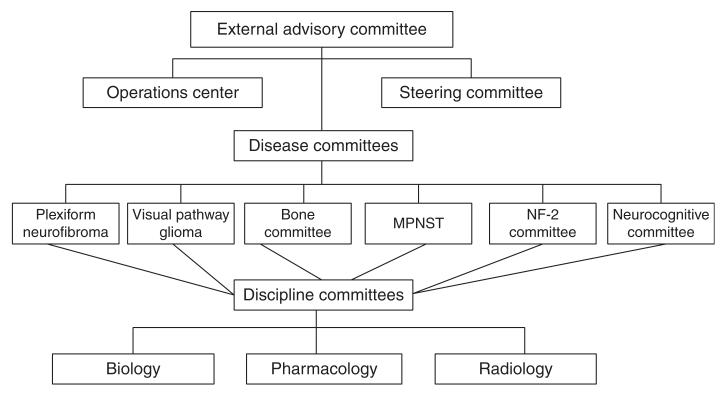
Figure 5. Organization of the NF Clinical Trials Consortium
Figure 6
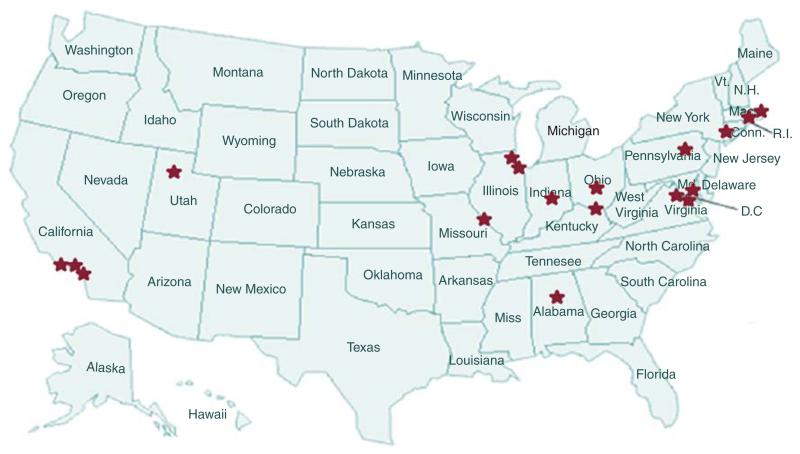
Figure 6. Distribution of NF Clinical Trials Consortium sites in the USA
Stars denote participating university sites
Figure 7
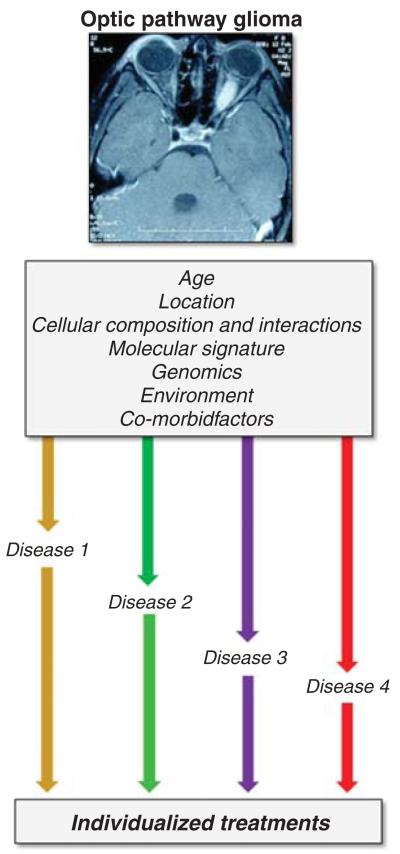
Figure 7. NF disease heterogeneity
Future treatments for NF1 and NF2 patients should incorporate emerging basic science and clinical observations demonstrating that multiple factors influence clinical feature development, progression and response to therapy. For example, optic pathway gliomas arising in children with NF1 likely comprise a heterogeneous population of tumors defined by age, brain location, glioma composition, patient genomic background and other factors. In this regard, optic gliomas may represent several distinct diseases, each with a more predictable outcome and response to targeted therapy.

References

    1. Gutmann DH, Aylsworth A, Carey JC, et al. The diagnostic evaluation and multidisciplinary management of neurofibromatosis 1 and neurofibromatosis 2. JAMA. 1997;278:51–7. - PubMed
    1. Evans DG, Howard E, Giblin C, et al. Birth incidence and prevalence of tumor-prone syndromes: estimates from a UK family genetic register service. Am J Med Genet A. 2010;152A(2):327–32. - PubMed
    1. Huson SM, Compston DAS, Clark P, Harper PS. A genetic study of von Recklinghausen neurofibromatosis in southeast Wales. 1. Prevalence, fitness, mutation rate, and effect of parental transmission on severity. J Med Genet. 1989:26704–11. - PMC - PubMed
    1. Lammert M, Friedman JM, Kluwe L, Mautner VF. Prevalence of neurofibromatosis 1 in German children at elementary school enrollment. Arch Dermatol. 2005;141(1):71–4. - PubMed
    1. Evans DG, Huson SM, Donnai D, et al. A genetic study of type 2 neurofibromatosis in the United Kingdom. I. Prevalence, mutation rate, fitness, and confirmation of maternal transmission effect on severity. J Med Genet. 1992;29(12):841–6. - PMC - PubMed

Publication types