


Imaging evaluation of prostate cancer with 18F-fluorodeoxyglucose PET/CT: utility and limitations
- PMID: 23429934
- PMCID: PMC3681838
- DOI: 10.1007/s00259-013-2361-7
Imaging evaluation of prostate cancer with 18F-fluorodeoxyglucose PET/CT: utility and limitations
Abstract
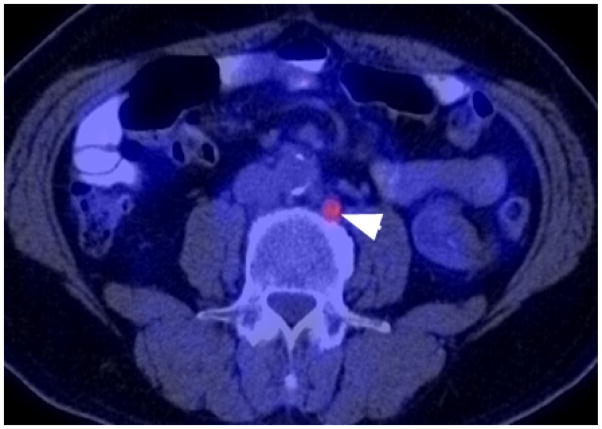
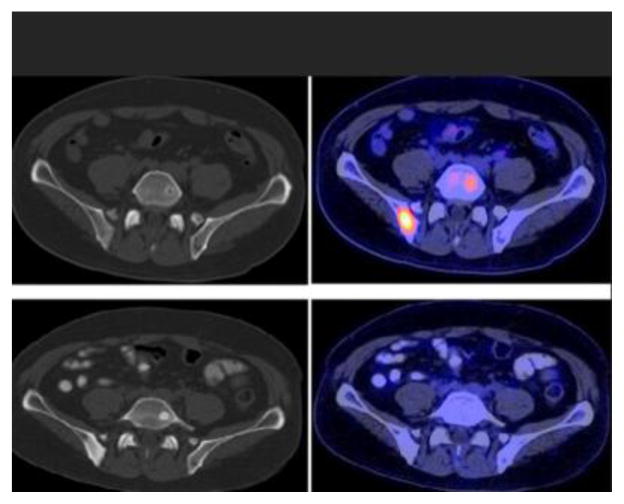
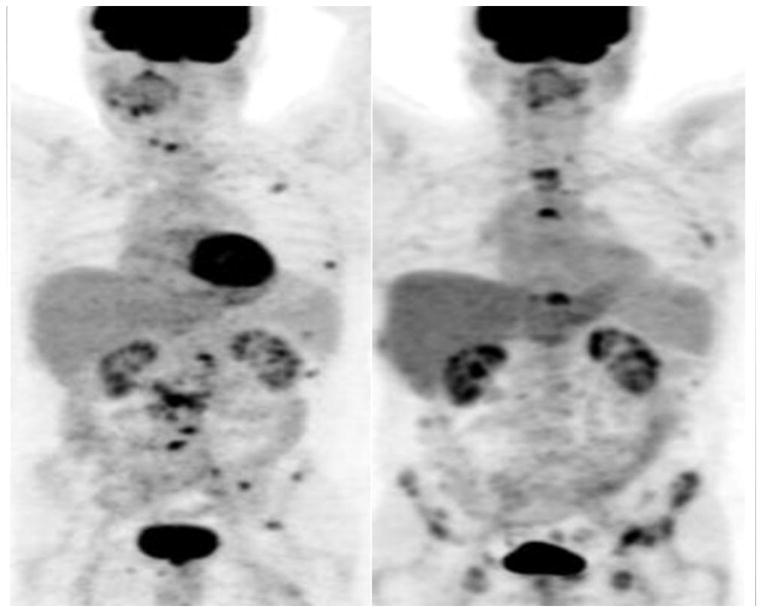
Prostate cancer is a major public health problem in developed countries. The remarkable biological and clinical heterogeneity of prostate cancer provides unique opportunities as well as challenges for the diagnostic imaging evaluation of this prevalent disease. The disease is characterized by a natural history that ranges from localized slowly growing hormone-dependent tumor progressing to metastatic hormone-refractory disease. PET is an ideal imaging tool for noninvasive interrogation of the underlying tumor biology. (18)F-FDG is the most common PET radiotracer used for oncological applications based upon elevated glucose metabolism in malignant tissue in comparison to normal tissue. FDG uptake in prostate cancer depends on tumor differentiation with low accumulation in well-differentiated tumors and high uptake in aggressive poorly differentiated tumors. Cumulative current evidence suggests that FDG PET may be useful in detection of disease in a small fraction of patients with biochemical recurrence, in the imaging evaluation of extent and treatment response in metastatic disease and in prediction of patient outcome.
Conflict of interest statement
Figures
References
-
- Surveillance Epidemiology and End Results. National Cancer Institute. [accessed December 17, 2012];Cancer of the Prostate. http://seer.cancer.gov/statfacts/html/prost.html.
-
- Center MM, Jemal A, Lorter-Tieulent J, et al. International variation in prostate cancer incidence and mortality rates. Eur Urol. 2012;61:1079–1092. - PubMed
-
- Kessler B, Albertsen P. The natural history of prostate cancer. Urol Clin North Am. 2003;30:219–226. - PubMed
-
- Carroll P. Rising PSA after a radical treatment. Eur Urol. 2001;40:9–16. - PubMed
Publication types
MeSH terms
Substances
Grants and funding
LinkOut - more resources
Full Text Sources
Other Literature Sources
Medical
