


Controversial role of toll-like receptors in acute pancreatitis
- PMID: 23431068
- PMCID: PMC3574587
- DOI: 10.3748/wjg.v19.i5.616
Controversial role of toll-like receptors in acute pancreatitis
Abstract
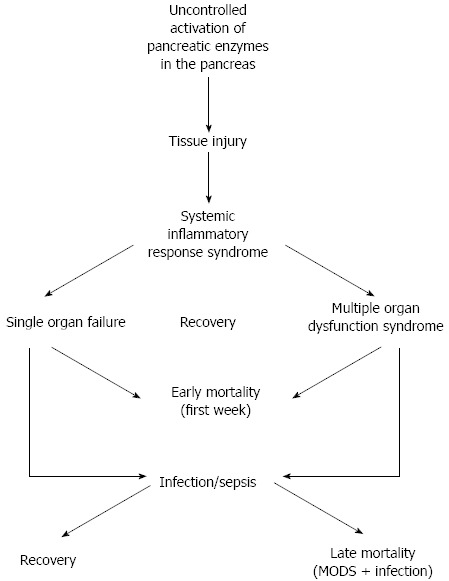
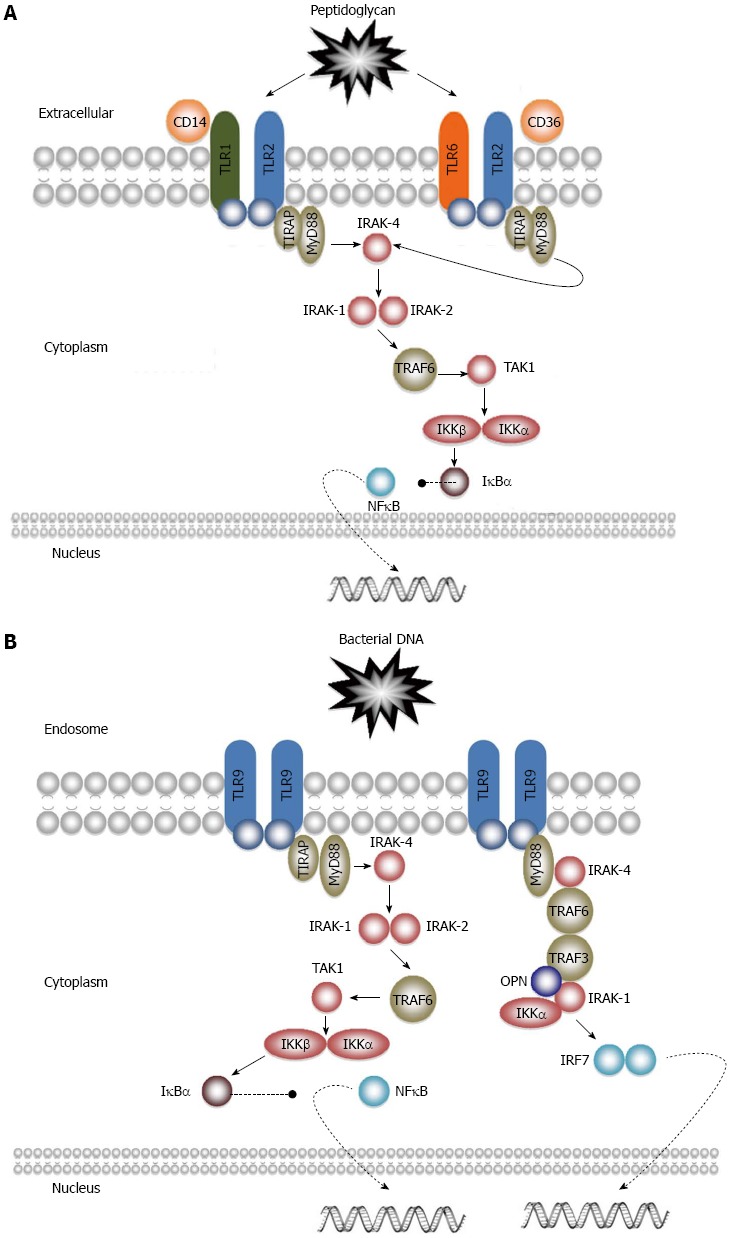
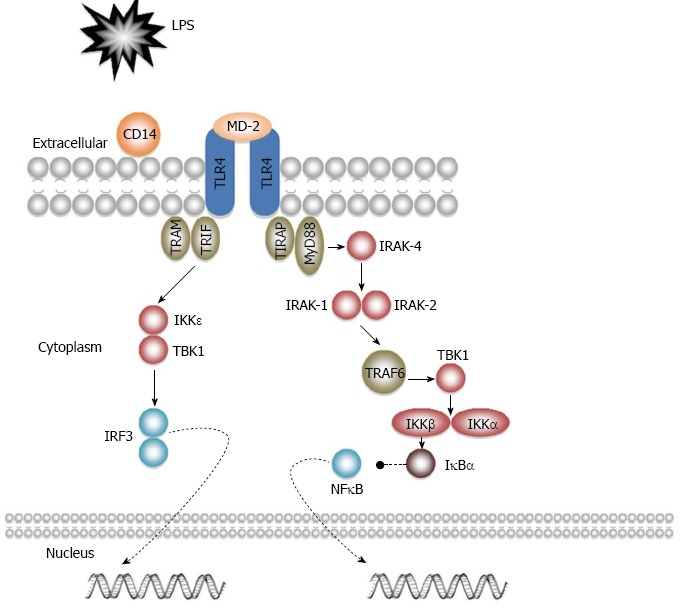
Acute pancreatitis (AP) is a common clinical condition with an incidence of about 300 or more patients per million annually. About 10%-15% of patients will develop severe acute pancreatitis (SAP) and of those, 10%-30% may die due to SAP-associated complications. Despite the improvements done in the diagnosis and management of AP, the mortality rate has not significantly declined during the last decades. Toll-like receptors (TLRs) are pattern-recognition receptors that seem to play a major role in the development of numerous diseases, which make these molecules attractive as potential therapeutic targets. TLRs are involved in the development of the systemic inflammatory response syndrome, a potentially lethal complication in SAP. In the present review, we explore the current knowledge about the role of different TLRs that have been described associated with AP. The main candidate for targeting seems to be TLR4, which recognizes numerous damage-associated molecular patterns related to AP. TLR2 has also been linked with AP, but there are only limited studies that exclusively studied its role in AP. There is also data suggesting that TLR9 may play a role in AP.
Keywords: Acute pancreatitis; Intervention; Pathophysiological mechanism; Severe acute pancreatitis; Toll-like receptors.
Figures
References
Publication types
MeSH terms
Substances
LinkOut - more resources
Full Text Sources
Other Literature Sources
Medical
Miscellaneous
