


A retrospective study of focal segmental glomerulosclerosis: clinical criteria can identify patients at high risk for recurrent disease after first renal transplantation
- PMID: 23433074
- PMCID: PMC3585752
- DOI: 10.1186/1471-2369-14-47
A retrospective study of focal segmental glomerulosclerosis: clinical criteria can identify patients at high risk for recurrent disease after first renal transplantation
Abstract
Background: Focal segmental glomerulosclerosis (FSGS) is a frequent cause of end-stage renal disease. Renal transplantation in patients with FSGS is often complicated by disease recurrence, which is associated with poor outcome. There are no tests that reliably predict recurrence of FSGS after transplantation. The aim of this study was to evaluate if clinical criteria can identify patients at high risk for recurrent disease.
Methods: We retrospectively studied 94 patients who received a first renal transplant at a median age of 37 years (range 5-69 years). Patients were assigned to one of three groups: familial or genetic FSGS (group I; n=18), secondary FSGS (group II; n=10) and idiopathic FSGS (group III; n=66). Pretransplant clinical characteristics were analyzed to determine predictors of a recurrence after transplantation.
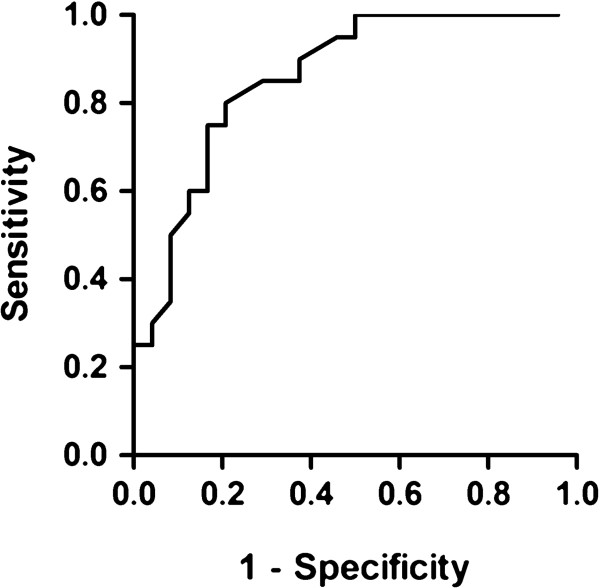
Results: FSGS only recurred in patients with idiopathic FSGS (group III; 42%). Patients with a recurrence had a significantly lower serum albumin, higher 24-hour proteinuria and higher estimated glomerular filtration rate at diagnosis. Serum albumin at diagnosis was the only independent predictor of a recurrence in patients with idiopathic FSGS. Patients with recurrent FSGS had more acute rejection episodes (54% vs. 27%, P =0.02) and lower five year graft survival compared to patients without a recurrence (50 vs. 82%, P <0.01).
Conclusions: Clinical criteria allow identification of patients at high risk of recurrent FSGS after renal transplantation. This information can be used in the counseling and management of patients with FSGS.
Figures
References
-
- Deegens JK, Steenbergen EJ, Wetzels JF. Review on diagnosis and treatment of focal segmental glomerulosclerosis. Neth J Med. 2008;66:3–12. - PubMed
Publication types
MeSH terms
LinkOut - more resources
Full Text Sources
Other Literature Sources
Medical
