Review
. 2013 Mar;39(3 Suppl):S30-43.
doi: 10.1016/j.joen.2012.11.025.

Treatment options: biological basis of regenerative endodontic procedures

Affiliations
Review

Treatment options: biological basis of regenerative endodontic procedures

Kenneth M Hargreaves et al. J Endod. 2013 Mar.

Abstract

Dental trauma occurs frequently in children and often can lead to pulpal necrosis. The occurrence of pulpal necrosis in the permanent but immature tooth represents a challenging clinical situation because the thin and often short roots increase the risk of subsequent fracture. Current approaches for treating the traumatized immature tooth with pulpal necrosis do not reliably achieve the desired clinical outcomes, consisting of healing of apical periodontitis, promotion of continued root development, and restoration of the functional competence of pulpal tissue. An optimal approach for treating the immature permanent tooth with a necrotic pulp would be to regenerate functional pulpal tissue. This review summarizes the current literature supporting a biological rationale for considering regenerative endodontic treatment procedures in treating the immature permanent tooth with pulp necrosis.


Conflict of interest statement

The authors deny conflicts of interest.

Figures
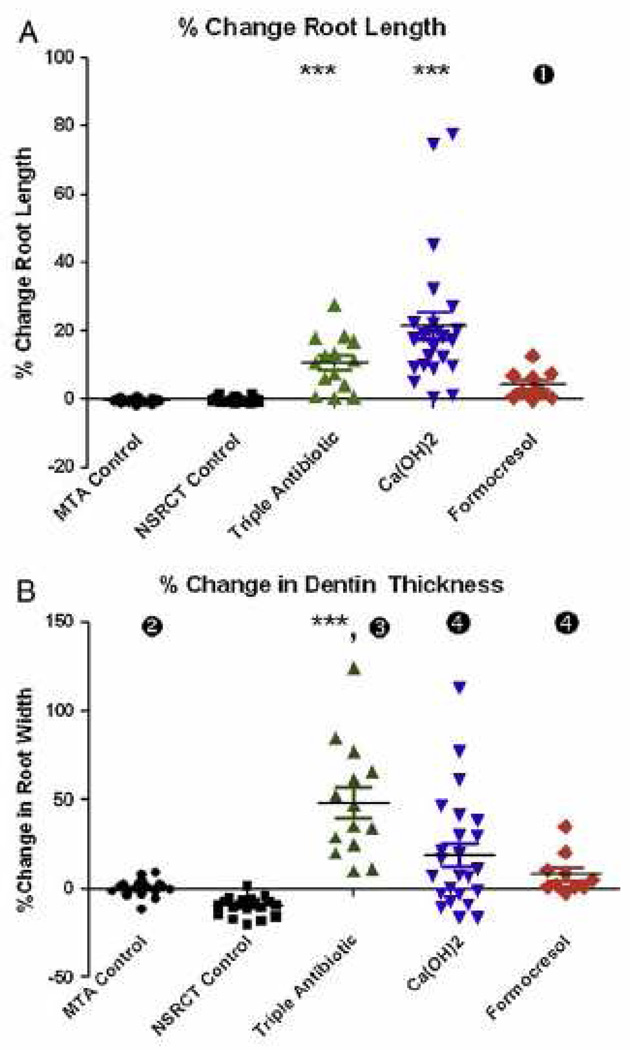
Fig 1
Fig 1
(A) Percentage change in root length from preoperative image to postoperative image, measured from the CEJ to the root apex. ***P < .001 versus MTA apexification control group (n = 20) and NSRCT control group (n = 20). (1) P < .05 versus MTA control group only. Median values for each group are depicted by horizontal line, and individual cases are indicated by the corresponding symbol. (B) Percentage change in dentinal wall thickness from preoperative image to postoperative image, measured at the apical third of the root (position of apical third defined in the preoperative image). ***P < .001 versus MTA apexification control group and NSRCT control group. (2) P < .05 versus NSRCT control group only. (3) P < .05 versus Ca(OH)2 and formocresol groups. (4) P < .05 versus NSRCT control group only. Reprinted from Bose et al., J Endod 35:1343, 2009 with permission.
Fig 2
Fig 2
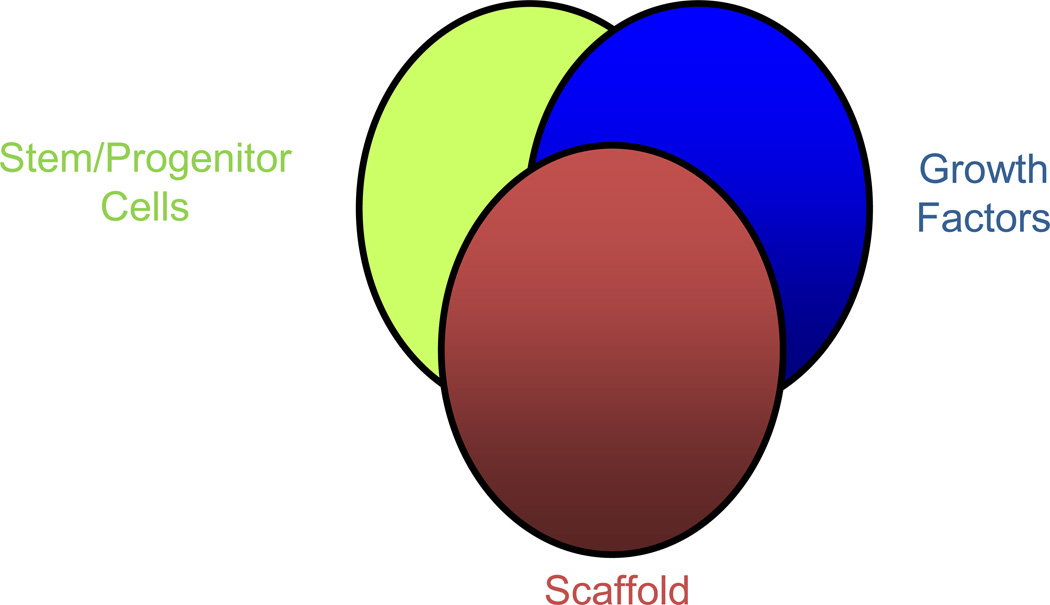
Three main components of tissue engineering
Fig 3
Fig 3
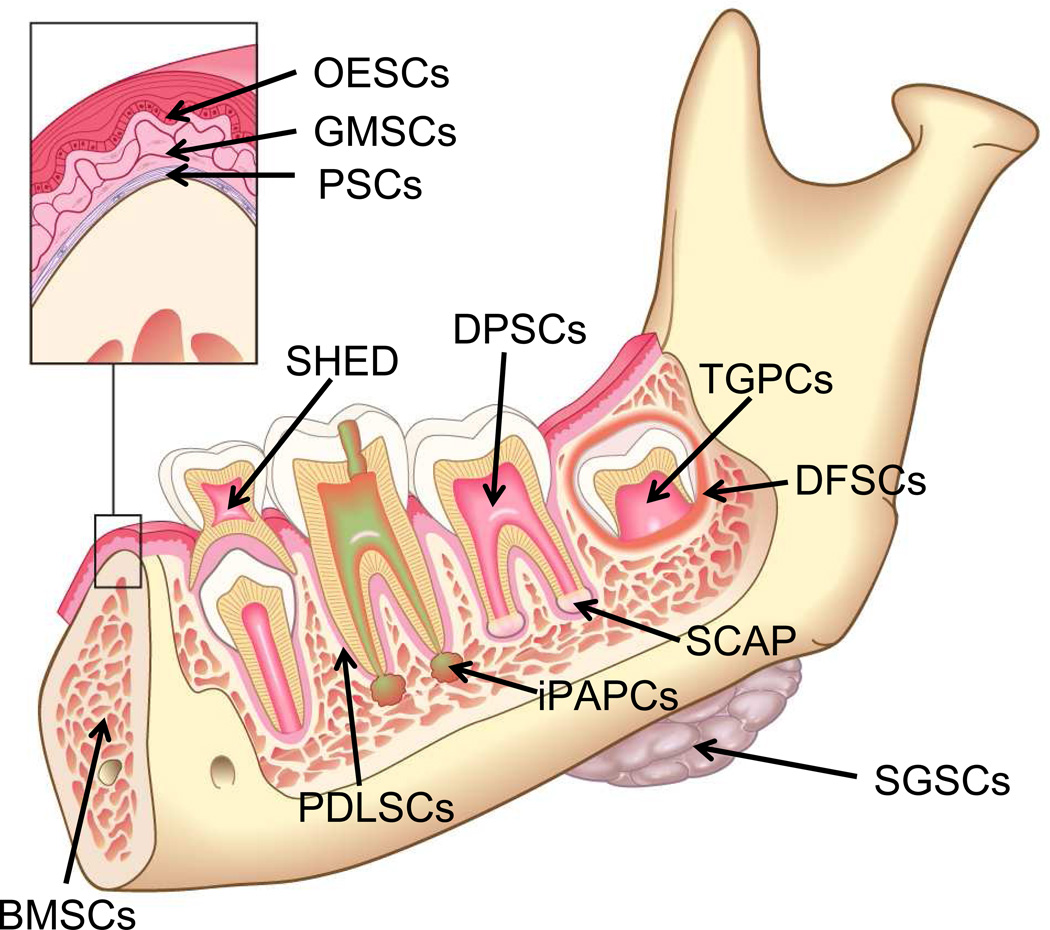
Schematic drawing illustrating potential sources of post-natal stem cells in the oral environment. Cell types include tooth germ progenitor cells (TGPCs), dental follicle stem cells (DFSCs), salivary gland stem cells (SGSCs), stem cells of the apical papilla (SCAP), dental pulp stem cells (DPSCs), stem cells from human exfoliated deciduous teeth (SHED), periodontal ligament stem cells (PDLSCs), bone marrow stem cells (BMSCs) and, as illustrated in the insert, oral epithelial stem cells (OESCs), and gingival-derived mesenchymal stem cells (GMSCs)
Fig 4
Fig 4
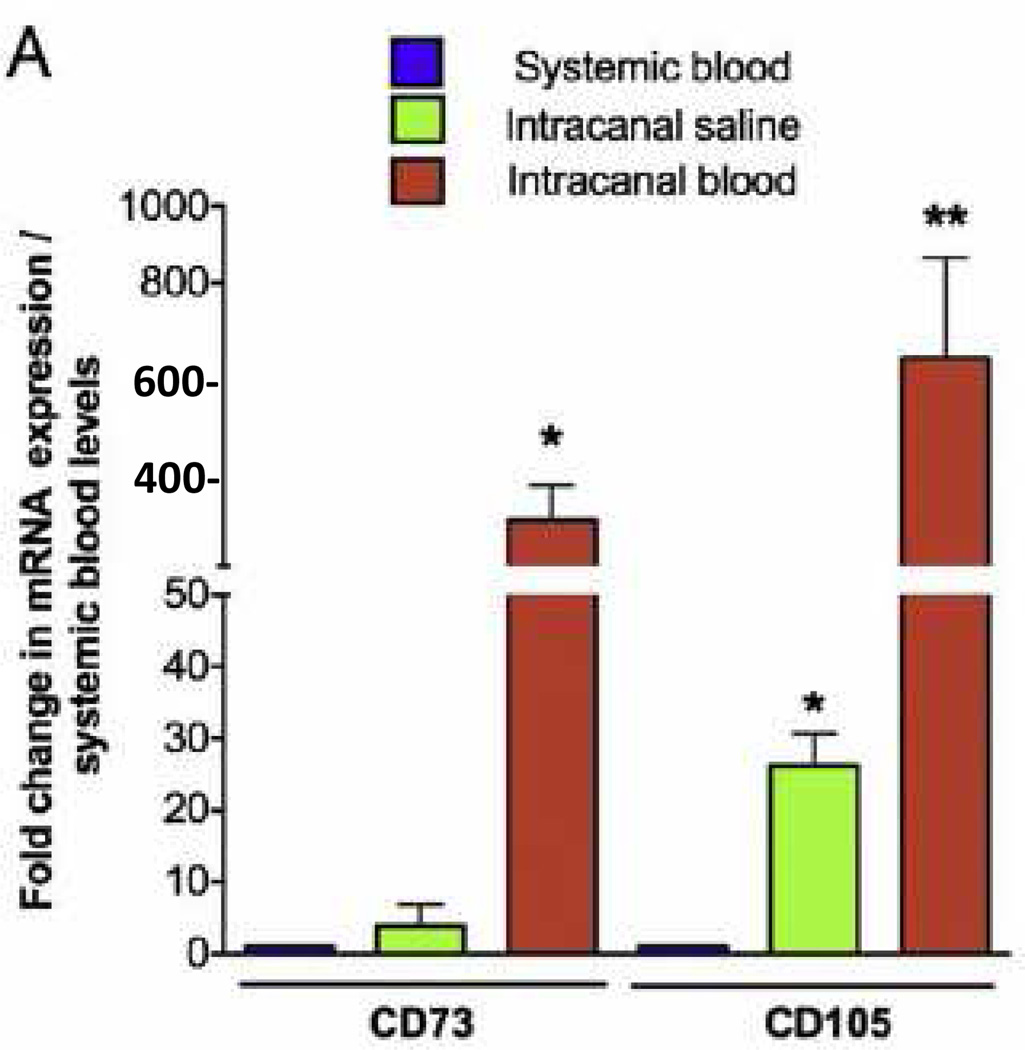
Evoked-bleeding step in endodontic regenerative procedures in immature teeth with open apices leads to significant increase in expression of undifferentiated mesenchymal stem cell markers in the root canal space. Systemic blood, saline irrigation, and intracanal blood samples were collected during second visit of regenerative procedures. Real-time RT-PCR was performed by using RNA isolated from each sample as template, with validated specific primers for target genes and 18S ribosomal RNA endogenous control. (A) Expression of mesenchymal stem cell markers CD73 and CD105 was up-regulated after the evoked-bleeding step in regenerative procedures. Reprinted from Lovelace, et al., J Endod 37:133, 2011 with permission.
Fig 5
Fig 5
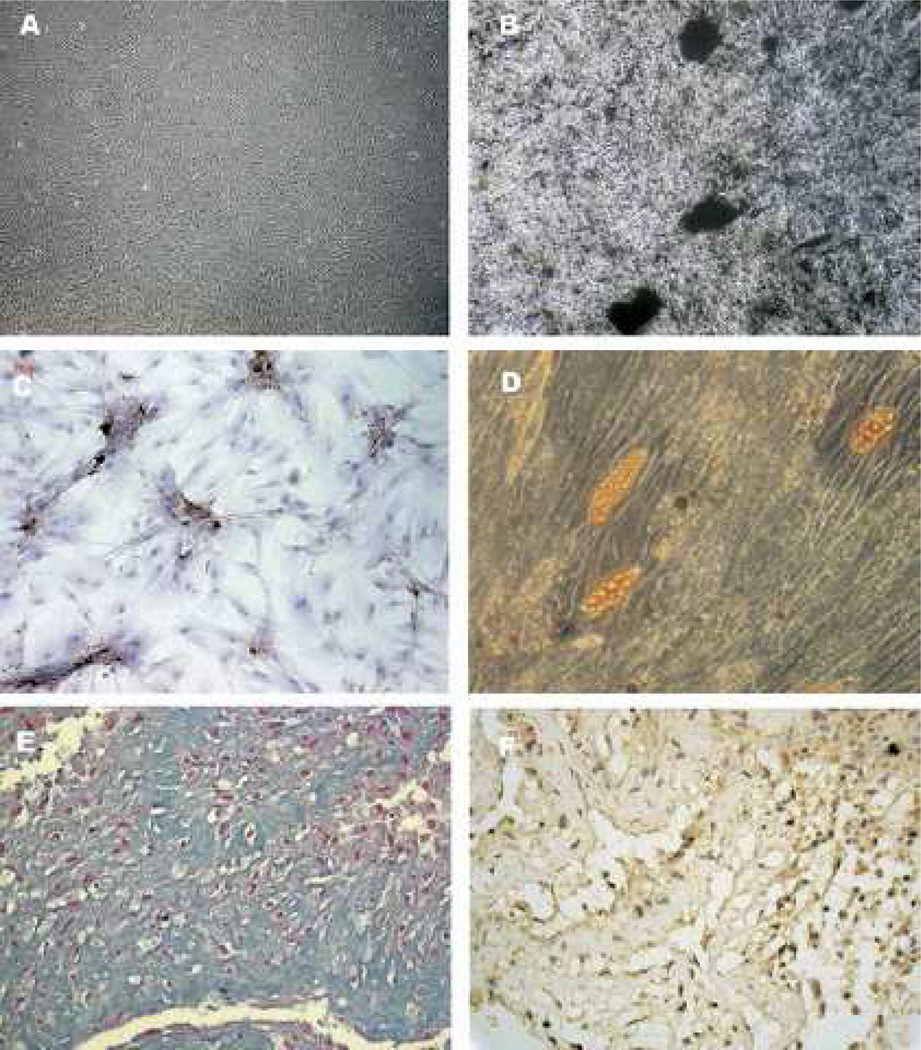
Multilineage differentiation capacity of DPCs. DPCs cultured in alpha-MEM with 15% FBS (control medium) was shown in A (original magnification X 40). Odontogenic differentiation was shown by the deposition of a mineralized matrix indicated by von Kossa stain shown in B (original magnification X 100) and by the positive immunostaining of DSP shown in C (original magnification X 200). Adipogenic differentiation was shown by the accumulation of neutral lipid vacuoles stainable with Oil Red O shown in D (original magnification X100). Chondrogenic differentiation was shown by the secretion of cartilage-specific proteoglycans stainable with Alcian blue shown in E (original magnification X400) and by the positive immunostaining of collagen type II shown in F (original magnification X400). These results were representative of three to four independent experiments. Reprinted from Wei, et al., J Endod 33:703, 2007 with permission.
Fig 6
Fig 6
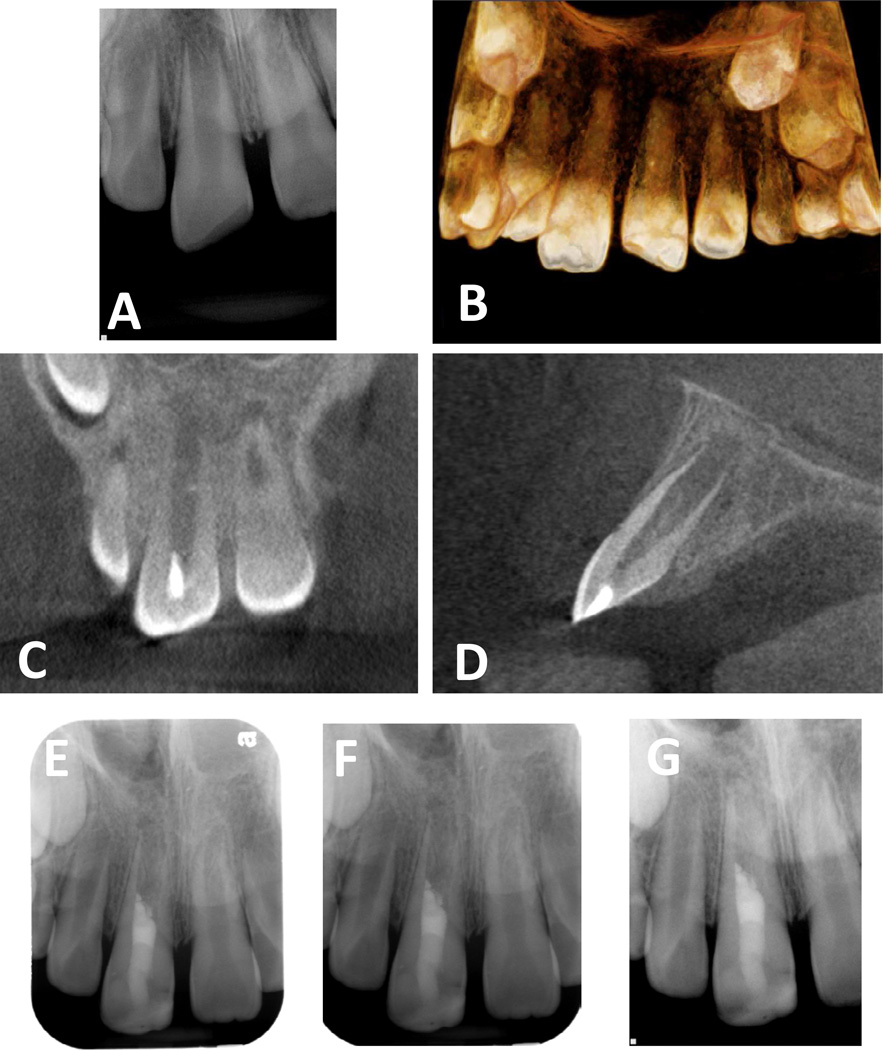
Example of a regenerative protocol applied to an immature permanent tooth with pulpal necrosis due to trauma. A: pre-operative image, B: Pre-operative cone-beam computed tomography (CBCT) 3D view, C: pre-operative CBCT coronal view, D: pre-operative CBCT sagittal view, E: immediate post-operative radiograph, F: one month follow-up radiograph, G: six month follow-up radiograph

References

    1. Law A. Considerations for Revitalization/Regeneration Procedures. Journal of endodontics. 2013;39 (in press). - PubMed
    1. Glendor UWM, Andreasen JO. Classification, Epidemiology and Etiology. In: Andreasen JO, Andreasen FM, Andersson L, editors. Traumatic Injuries to the Teeth. 4th. ed. Oxford: Blackwell Munksgaard; 2007. pp. 217–254.
    1. Kaba AD, Marechaux SC. A fourteen-year follow-up study of traumatic injuries to the permanent dentition. ASDC J Dent Child. 1989;56:417–425. - PubMed
    1. Hecova H, Tzigkounakis V, Merglova V, Netolicky J. A retrospective study of 889 injured permanent teeth. Dent Traumatol. 2010;26:466–475. - PubMed
    1. Borum MK, Andreasen JO. Therapeutic and economic implications of traumatic dental injuries in Denmark: an estimate based on 7549 patients treated at a major trauma centre. Int J Paediatr Dent. 2001;11:249–258. - PubMed

Publication types

Substances