


Human haemodynamic frequency harmonics regulate the inflammatory phenotype of vascular endothelial cells
- PMID: 23443553
- PMCID: PMC4100071
- DOI: 10.1038/ncomms2530
Human haemodynamic frequency harmonics regulate the inflammatory phenotype of vascular endothelial cells
Abstract
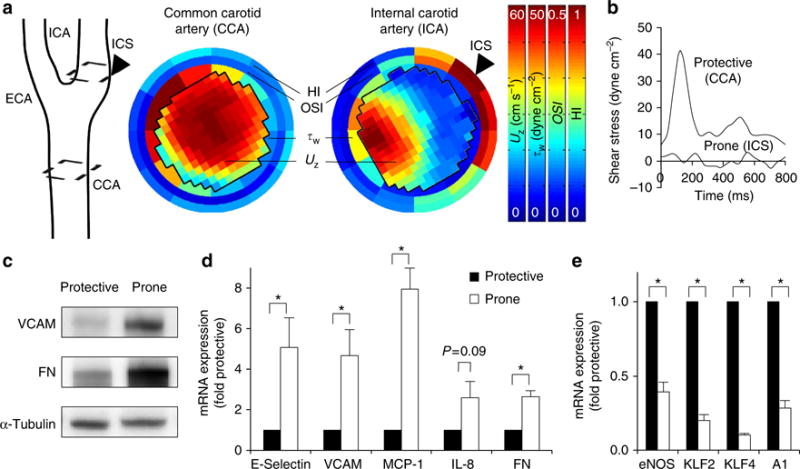
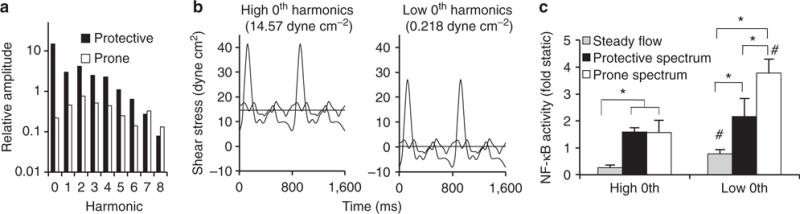
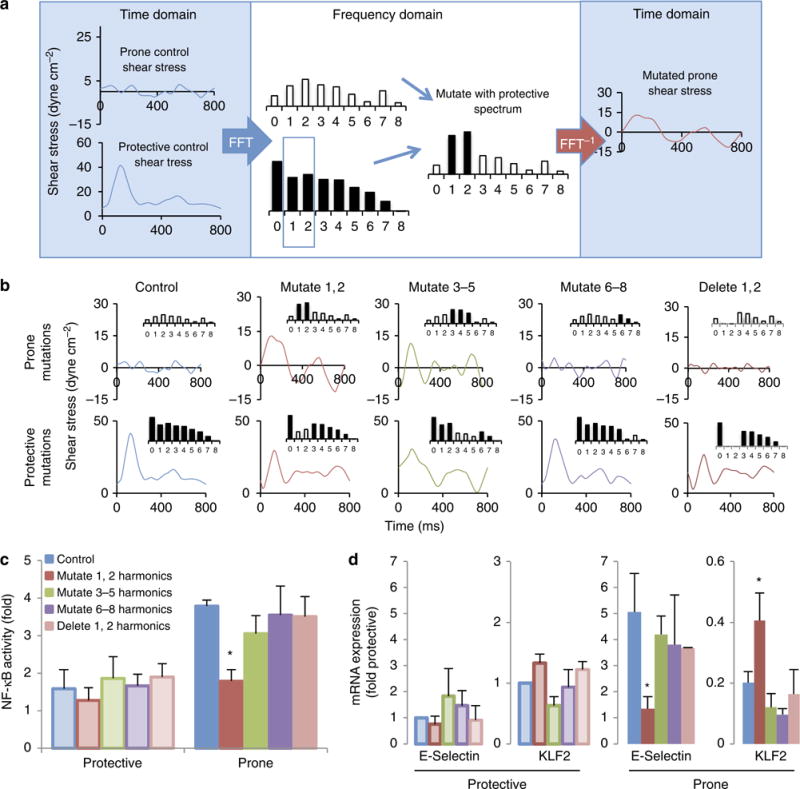
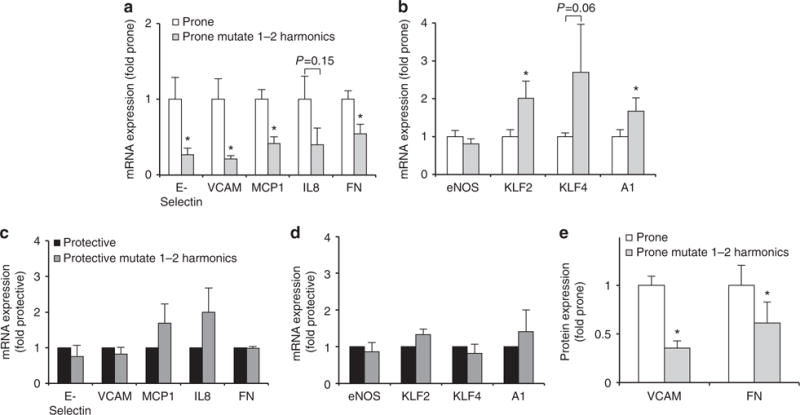
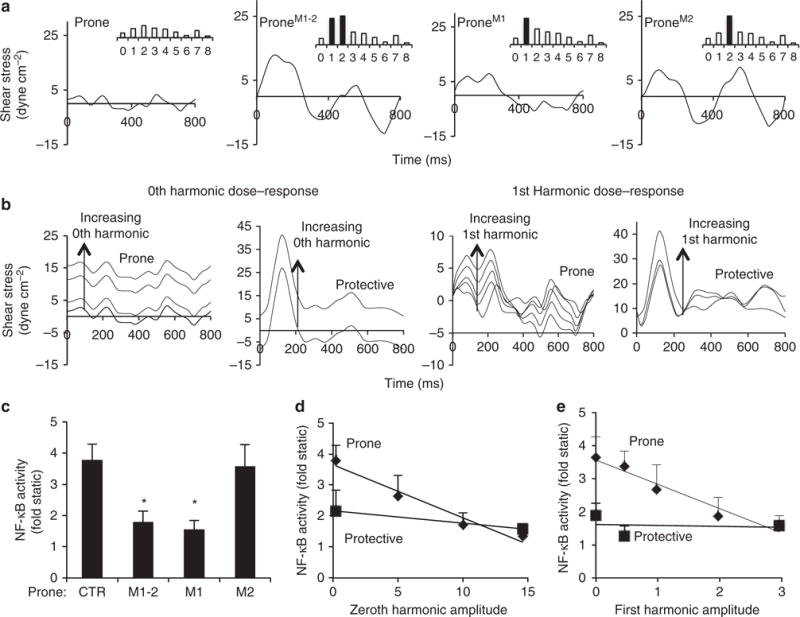
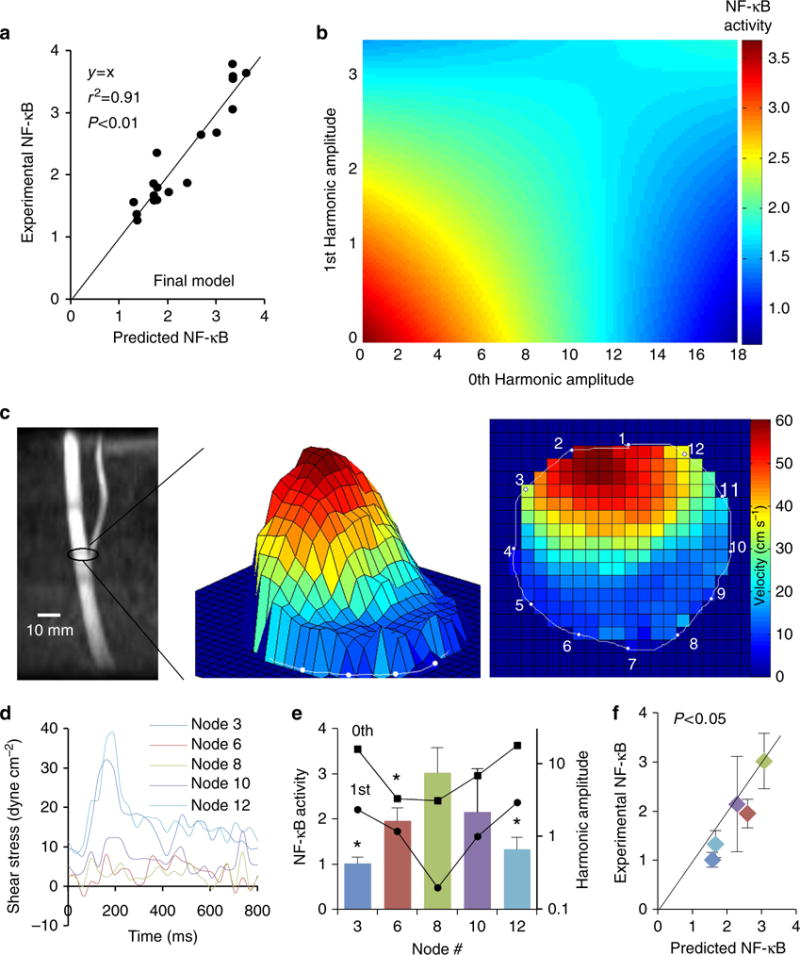
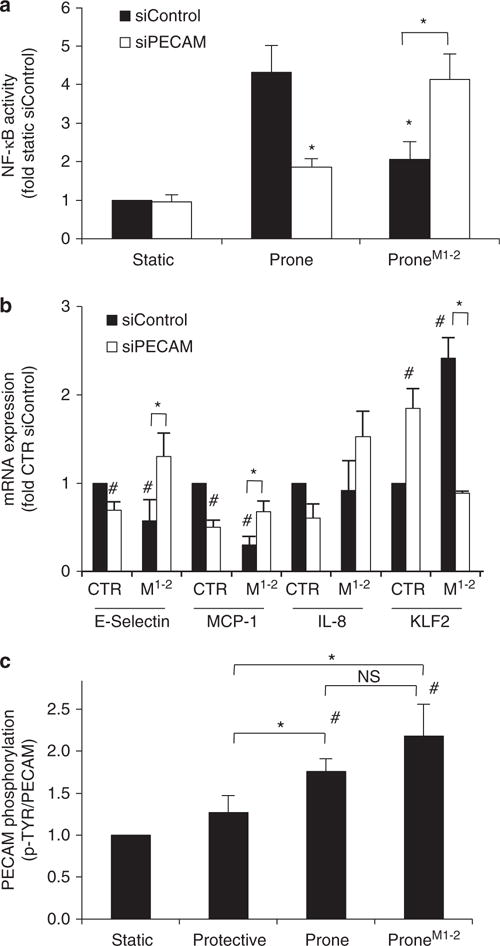
Haemodynamic variations are inherent to blood vessel geometries (such as bifurcations) and correlate with regional development of inflammation and atherosclerosis. However, the complex frequency spectrum characteristics from these haemodynamics have never been exploited to test whether frequency variations are critical determinants of endothelial inflammatory phenotype. Here we utilize an experimental Fourier transform analysis to systematically manipulate individual frequency harmonics from human carotid shear stress waveforms applied in vitro to human endothelial cells. The frequency spectrum, specifically the 0 th and 1st harmonics, is a significant regulator of inflammation, including NF-κB activity and downstream inflammatory phenotype. Further, a harmonic-based regression-model predicts eccentric NF-κB activity observed in the human internal carotid artery. Finally, short interfering RNA-knockdown of the mechanosensor PECAM-1 reverses frequency-dependent regulation of NF-κB activity. Thus, PECAM-1 may have a critical role in the endothelium's exquisite sensitivity to complex shear stress frequency harmonics and provide a mechanism for the focal development of vascular inflammation.
Conflict of interest statement
Figures
References
-
- Ku DN, Giddens DP, Zarins CK, Glagov S. Pulsatile flow and atherosclerosis in the human carotid bifurcation. Positive correlation between plaque location and low oscillating shear stress. Arteriosclerosis. 1985;5:293–302. - PubMed
Publication types
MeSH terms
Substances
Grants and funding
LinkOut - more resources
Full Text Sources
Other Literature Sources
Miscellaneous
