


The combined propranolol/TSST paradigm--a new method for psychoneuroendocrinology
- PMID: 23451243
- PMCID: PMC3579809
- DOI: 10.1371/journal.pone.0057567
The combined propranolol/TSST paradigm--a new method for psychoneuroendocrinology
Abstract
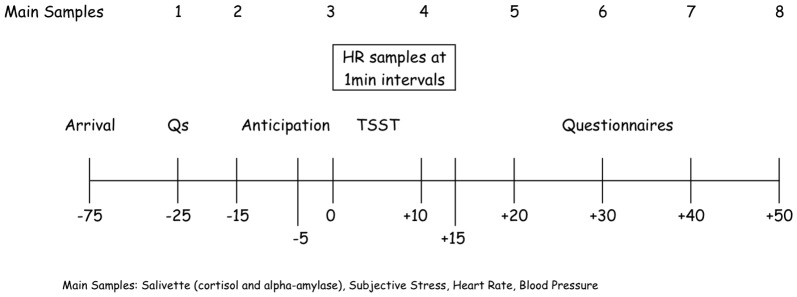
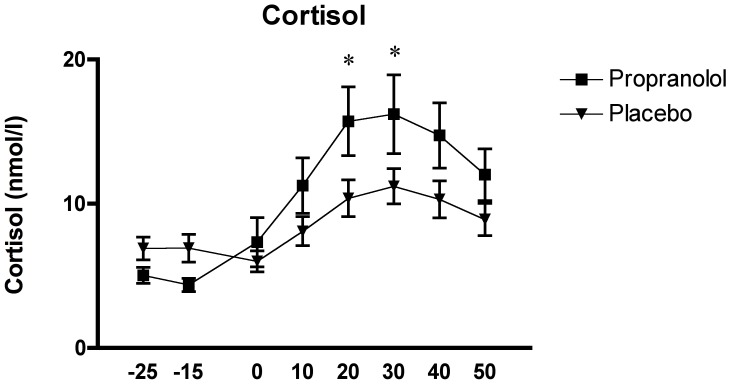
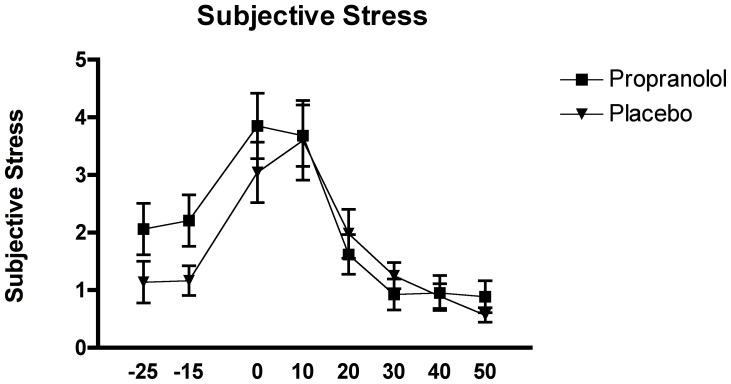
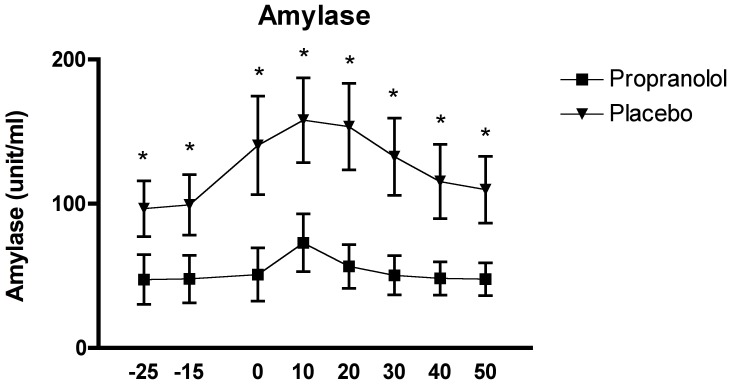
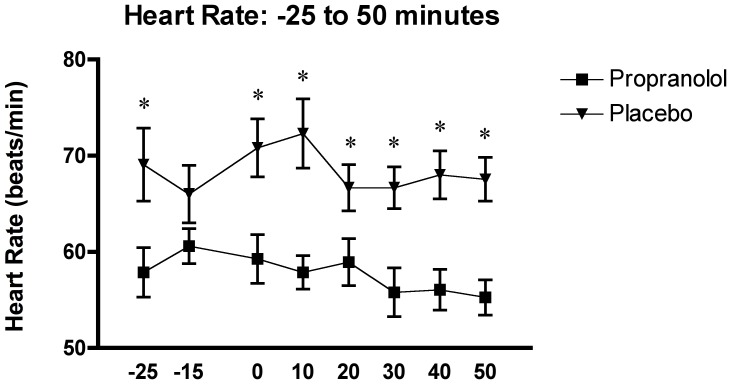
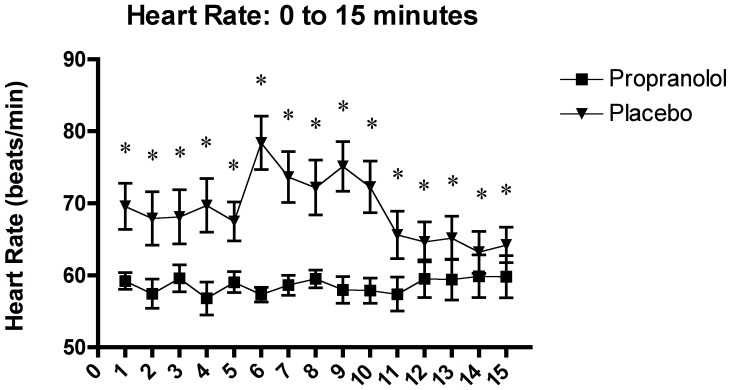
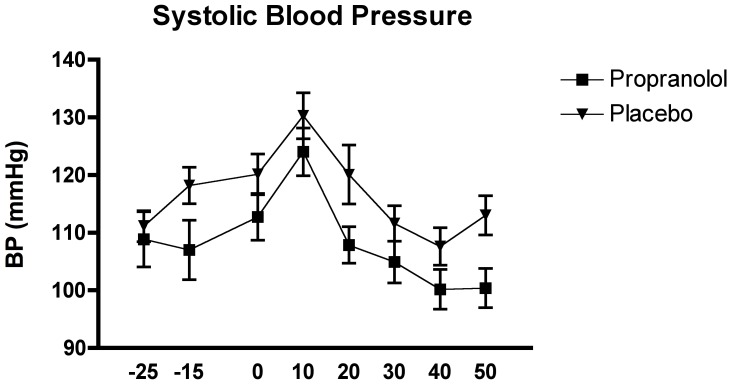
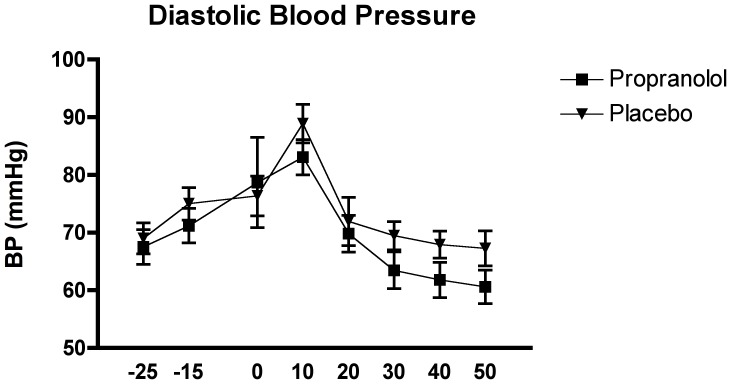
Upon perception of a stimulus as stressful, the human brain reacts with the activation of the hypothalamus-pituitary-adrenal (HPA) axis and the sympathetic nervous system (SNS), to mobilize energy resources to better cope with the stressor. Since the perception of the stressor is the initial stimulus, a synchronicity between the subjective perception of stress and the physiological stress reactivity should be expected. However, according to a recent meta-analysis, these associations are weak and inconsistent. The goal of the current study was to investigate the interaction between the SNS, HPA and subjective stress perceptions, by introducing an experimental manipulation of this interaction. For this purpose, we combined the SNS inhibitor propranolol with the Trier Social Stress Test, and measured endocrinological and psychological responses to the stressor. Thirty healthy male participants were recruited and randomly assigned to either a propranolol (PROP; n = 15) or placebo (PLC; n = 15) group. All subjects were administered 80 mg of propranolol 60 minutes prior to exposure to psychosocial stress. Salivary cortisol and alpha amylase (sAA), heart rate, blood pressure and subjective stress responses were assessed throughout the study. We observed significantly reduced sAA levels and heart rate increases in the PROP group in response to stress, with no effects of the drug on systolic or diastolic blood pressure changes. In line with previous studies, a significant increase in cortisol was seen in response to the stress exposure. Importantly, the cortisol increase was significantly higher in the PROP group. A typical increase in subjective stress could be seen in both groups, with no significant group differences emerging. Complementing previous work, this study further demonstrates a significant interaction between the HPA and the SNS during acute stress. The HPA activity was found to be elevated in the presence of a suppressed SNS in reactivity to the TSST.
Conflict of interest statement
Figures
References
-
- McEwen BS (2005) Glucocorticoids, depression, and mood disorders: structural remodeling in the brain. Metabolism 54: 20–23. - PubMed
-
- Sapolsky RM, Romero LM, Munck AU (2000) How do glucocorticoids influence stress responses? Integrating permissive, suppressive, stimulatory, and preparative actions. Endocr Rev 21: 55–89. - PubMed
-
- Kirschbaum C, Pirke KM, Hellhammer DH (1993) The ‘Trier Social Stress Test’–a tool for investigating psychobiological stress responses in a laboratory setting. Neuropsychobiology 28: 76–81. - PubMed
-
- Chrousos GP (2009) Stress and disorders of the stress system. Nat Rev Endocrinol 5: 374–381. - PubMed
-
- Pacak K (2000) Stressor-specific activation of the hypothalamic-pituitary-adrenocortical axis. Physiological research/Academia Scientiarum Bohemoslovaca 49 Suppl 1 S11–17. - PubMed
Publication types
MeSH terms
Substances
Grants and funding
LinkOut - more resources
Full Text Sources
Other Literature Sources
Medical
