


Gender Differences in the Relationship Between Physical Activity and Smoking Among Psychiatrically Hospitalized Adolescents
- PMID: 23459125
- PMCID: PMC3582671
- DOI: 10.1016/j.mhpa.2012.10.003
Gender Differences in the Relationship Between Physical Activity and Smoking Among Psychiatrically Hospitalized Adolescents
Abstract
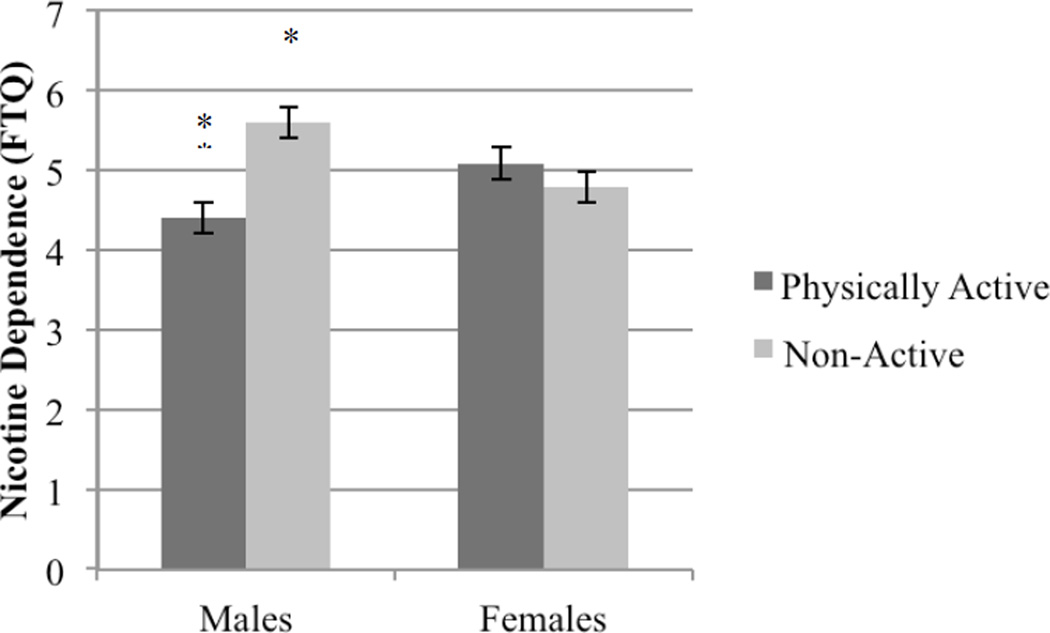
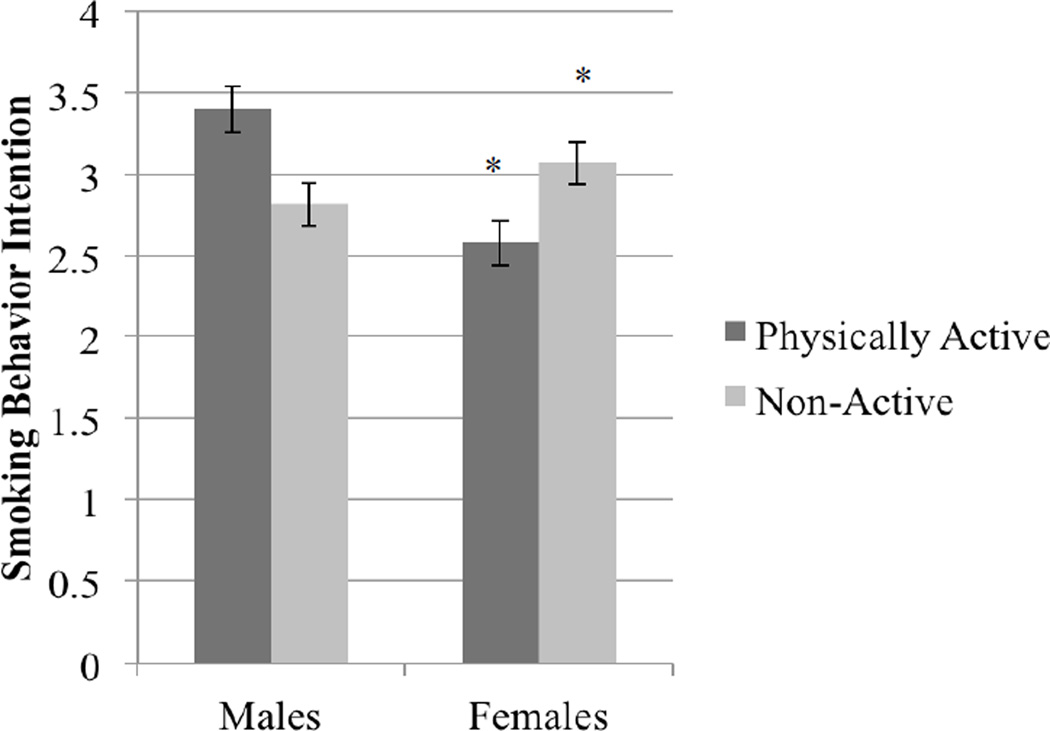
Physical activity has been identified as a protective factor with regard to tobacco use, such that physically active adolescents are less likely to initiate smoking, and smokers are less physically active than non-smokers. These findings, along with the well-documented benefits of exercise on mood and well-being in adults, have stimulated interest in exercise-based smoking cessation interventions. However, little research has explored the relationship between physical activity and smoking characteristics within adolescent smokers. Also, gender differences in adolescents' motives for smoking and exercise may have implications for intervention development, especially in clinical populations. The current study explored the relationship between physical activity and smoking in a sample of adolescent smokers (N = 191) and non-smokers (N = 48) receiving inpatient psychiatric treatment (61% female, mean age 15.3 years). Results indicated that smokers were less likely to be physically active than non-smokers. Additionally, there was a consistent pattern of gender differences in the relationship between smoking and physical activity within smokers. Specifically, physically active male smokers were less nicotine dependent and less prone to withdrawal, and had a trend toward greater motivation to quit, than their non-active counterparts. In contrast, physically active female smokers did not differ in dependence or withdrawal and were less motivated to quit than non-active female smokers. Taken together, these results suggest that within clinical populations of adolescent females, smoking and exercise may be used jointly as weight control strategies. Exercise-based interventions for smoking cessation for adolescent females, especially clinical populations, should address weight and body image concerns.
Keywords: exercise; inpatient; psychiatric; tobacco; youth.
Figures
References
-
- Aaron DJ, Dearwater SR, Anderson R, Olsen T, Kriska AM, Laporte RE. Physical activity and the initiation of high-risk health behaviors in adolescents. Medicine and Science in Sports and Exercise. 1995;27:1639–1645. - PubMed
-
- Abrantes AM, Strong DR, Ramsey SE, Lewinsohn PM, Brown RA. Characteristics of dieting and non-dieting adolescents in a psychiatric inpatient setting. Journal of Child and Family Studies. 2006;15:418–432.
-
- Adamo KB, Prince SA, Tricco AC, Connor-Gorber S, Tremblay M. A comparison of indirect versus direct measures for assessing physical activity in the pediatric population: a systematic review. International Journal of Pediatric Obesity. 2009;4:2–27. - PubMed
-
- Audrain-McGovern J, Rodriguez D, Moss HB. Smoking progression and physical activity. Cancer Epidemiology, Biomarkers and Prevention. 2003;12:1121–1129. - PubMed
Grants and funding
LinkOut - more resources
Full Text Sources