


Refeeding hypophosphatemia in adolescents with anorexia nervosa: a systematic review
- PMID: 23459608
- PMCID: PMC4108292
- DOI: 10.1177/0884533613476892
Refeeding hypophosphatemia in adolescents with anorexia nervosa: a systematic review
Abstract
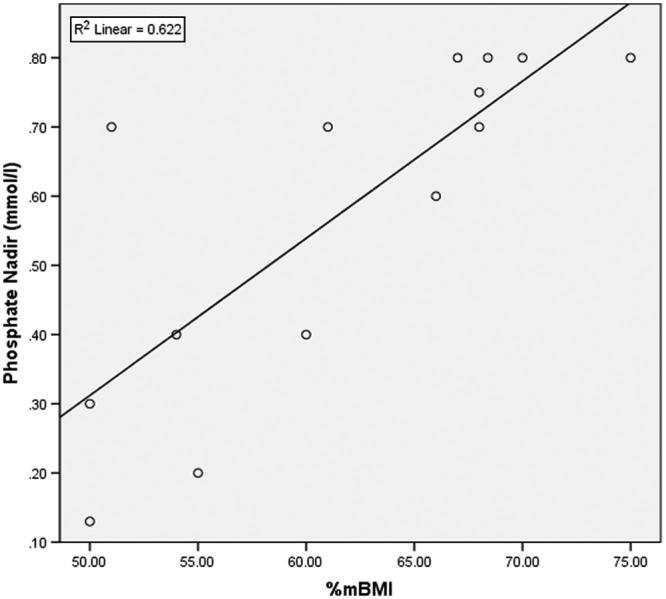
The rate of adolescents presenting with anorexia nervosa (AN) is increasing. Medically unstable adolescents are admitted to the hospital for nutrition restoration. A lack of global consensus on appropriate refeeding practices of malnourished patients has resulted in inconsistent refeeding practices. Refeeding hypophosphatemia (RH) is the most common complication associated with refeeding the malnourished patient. This review sought to identify the range of refeeding rates adopted globally and the implication that total energy intake and malnutrition may have on RH while refeeding adolescents with anorexia nervosa. Studies were identified by a systematic electronic search of medical databases from 1980 to September 2012. Seventeen publications were identified, including 6 chart reviews, 1 observational study, and 10 case reports, with a total of 1039 subjects. The average refeeding energy intake was 1186 kcal/d, ranging from 125-1900 kcal/d, with a mean percentage median body mass index (% mBMI) of 78%. The average incidence rate of RH was 14%. A significant correlation between malnutrition (% mBMI) and post-refeeding phosphate was identified (R (2) = 0.6, P = .01). This review highlights the disparity in refeeding rates adopted internationally in treating malnourished adolescents with anorexia nervosa. Based on this review, the severity of malnutrition seems to be a marker for the development of RH more so than total energy intake.
Keywords: adolescent; anorexia nervosa; hypophosphatemia; refeeding syndrome.
Figures
References
-
- Nicholls DE, Lynn R, Viner RM. Childhood eating disorders: British national surveillance study. Br J Psychiatry. 2011;198(4):295-301 - PubMed
-
- Peebles R, Wilson JL, Lock JD. How do children with eating disorders differ from adolescents with eating disorders at initial evaluation? J Adolesc Health. 2006;39(6):800-805 - PubMed
-
- World Health Organization (WHO). Management of Severe Malnutrition: A Manual for Physicians and Other Senior Health Workers. Geneva, Switzerland: WHO; 1999
-
- National Institute for Health and Clinical Excellence (NICE). Nutritional Support in Adults: Oral, Enteral and Parenteral Nutrition. London, UK: NICE; 2006
Publication types
MeSH terms
Substances
LinkOut - more resources
Full Text Sources
Other Literature Sources
