


Mechanisms of insulin resistance in obesity
- PMID: 23471659
- PMCID: PMC3936017
- DOI: 10.1007/s11684-013-0262-6
Mechanisms of insulin resistance in obesity
Abstract
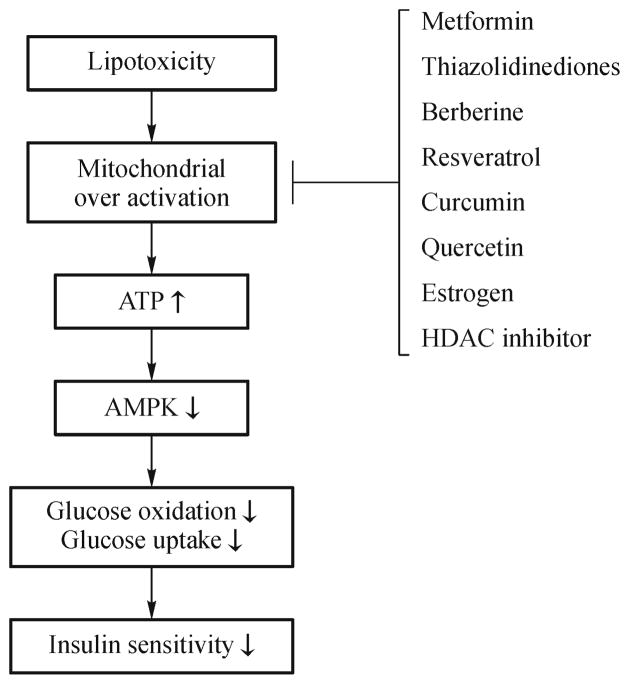
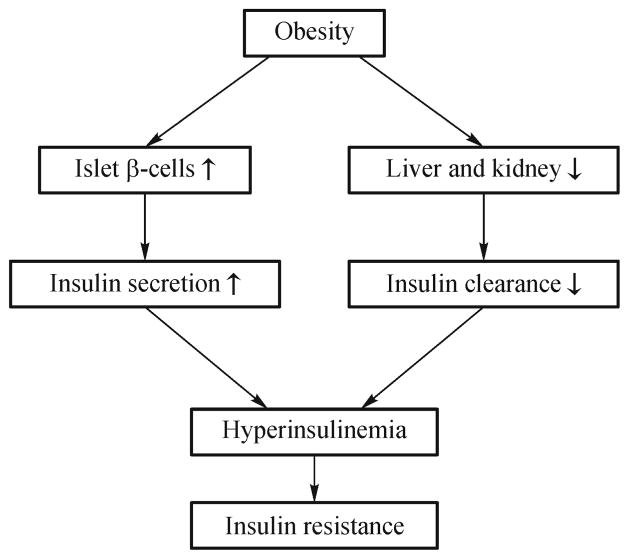
Obesity increases the risk for type 2 diabetes through induction of insulin resistance. Treatment of type 2 diabetes has been limited by little translational knowledge of insulin resistance although there have been several well-documented hypotheses for insulin resistance. In those hypotheses, inflammation, mitochondrial dysfunction, hyperinsulinemia and lipotoxicity have been the major concepts and have received a lot of attention. Oxidative stress, endoplasmic reticulum (ER) stress, genetic background, aging, fatty liver, hypoxia and lipodystrophy are active subjects in the study of these concepts. However, none of those concepts or views has led to an effective therapy for type 2 diabetes. The reason is that there has been no consensus for a unifying mechanism of insulin resistance. In this review article, literature is critically analyzed and reinterpreted for a new energy-based concept of insulin resistance, in which insulin resistance is a result of energy surplus in cells. The energy surplus signal is mediated by ATP and sensed by adenosine monophosphate-activated protein kinase (AMPK) signaling pathway. Decreasing ATP level by suppression of production or stimulation of utilization is a promising approach in the treatment of insulin resistance. In support, many of existing insulin sensitizing medicines inhibit ATP production in mitochondria. The effective therapies such as weight loss, exercise, and caloric restriction all reduce ATP in insulin sensitive cells. This new concept provides a unifying cellular and molecular mechanism of insulin resistance in obesity, which may apply to insulin resistance in aging and lipodystrophy.
Figures
References
-
- Ye J. Role of insulin in the pathogenesis of free fatty acid-induced insulin resistance in skeletal muscle. Endocr Metab Immune Disord Drug Targets. 2007;7(1):65–74. - PubMed
-
- Hotamisligil GS, Shargill NS, Spiegelman BM. Adipose expression of tumor necrosis factor-alpha: direct role in obesity-linked insulin resistance. Science. 1993;259(5091):87–91. - PubMed
Publication types
MeSH terms
Substances
Grants and funding
LinkOut - more resources
Full Text Sources
Other Literature Sources
Medical
