


Elevated temperature and drought interact to reduce parasitoid effectiveness in suppressing hosts
- PMID: 23472147
- PMCID: PMC3589357
- DOI: 10.1371/journal.pone.0058136
Elevated temperature and drought interact to reduce parasitoid effectiveness in suppressing hosts
Abstract
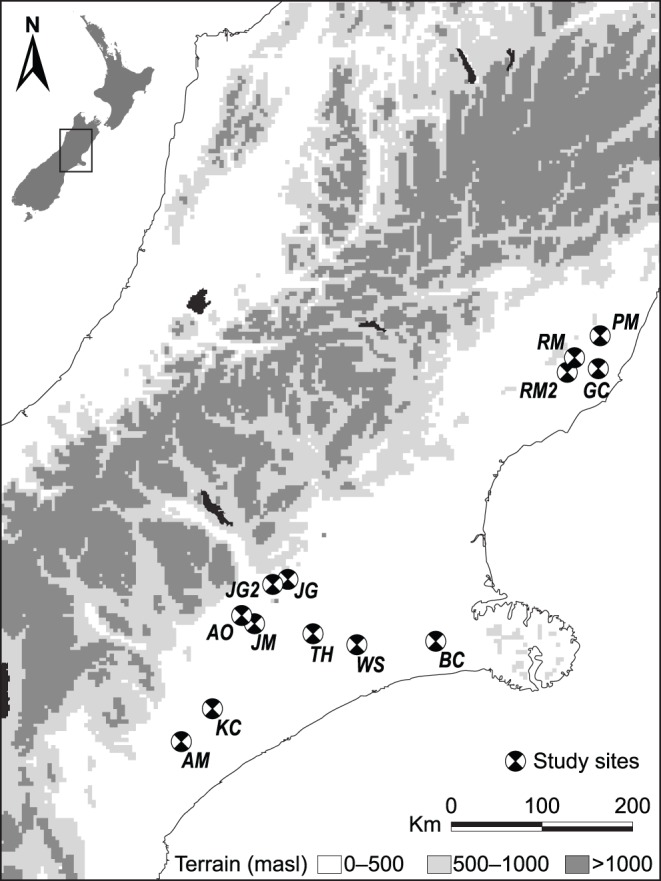
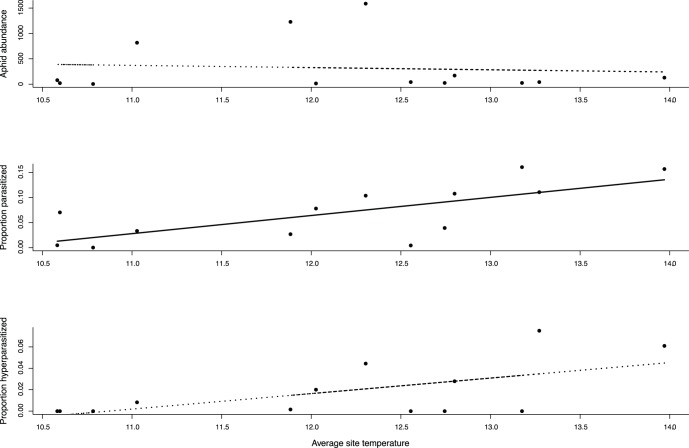
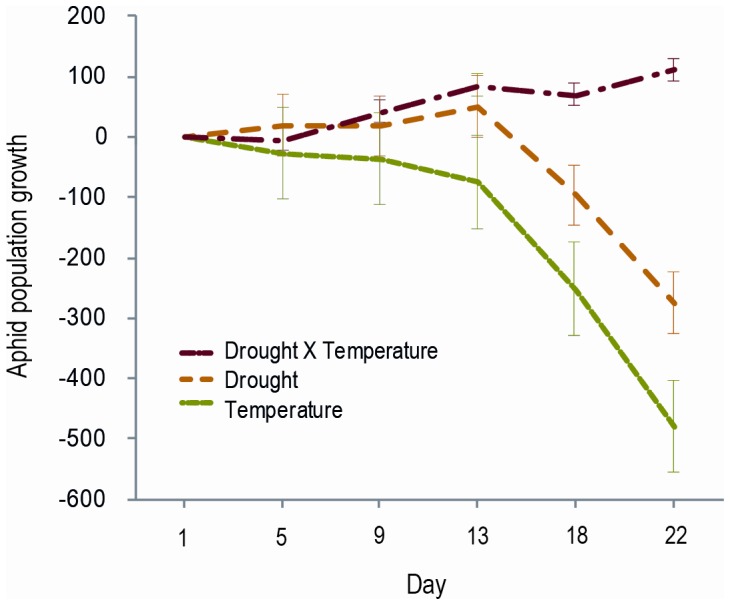
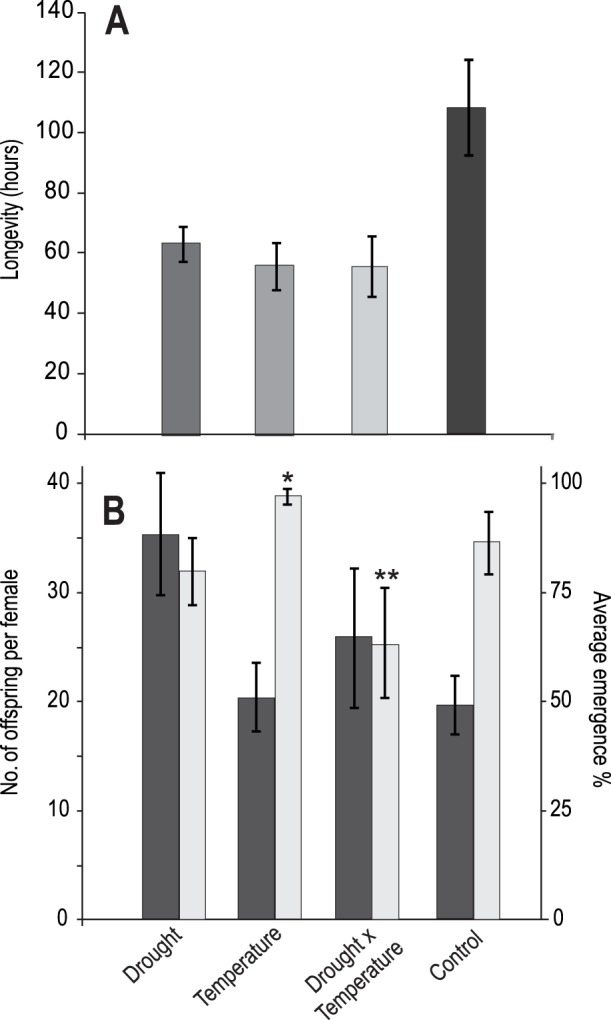
Climate change affects the abundance, distribution and activity of natural enemies that are important for suppressing herbivore crop pests. Moreover, higher mean temperatures and increased frequency of climatic extremes are expected to induce different responses across trophic levels, potentially disrupting predator-prey interactions. Using field observations, we examined the response of an aphid host-parasitoid system to variation in temperature. Temperature was positively associated with attack rates by parasitoids, but also with a non-significant trend towards increased attack rates by higher-level hyperparasitoids. Elevated hyperparasitism could partly offset any benefit of climate warming to parasitoids, and would suggest that higher trophic levels may hamper predictions of predator-prey interactions. Additionally, the mechanisms affecting host-parasitoid dynamics were examined using controlled laboratory experiments that simulated both temperature increase and drought. Parasitoid fitness and longevity responded differently when exposed to each climatic variable in isolation, compared to the interaction of both variables at once. Although temperature increase or drought tended to positively affect the ability of parasitoids to control aphid populations, these effects were significantly reversed when the drivers were expressed in concert. Additionally, separate warming and drought treatments reduced parasitoid longevity, and although temperature increased parasitoid emergence success and drought increased offspring production, combined temperature and drought produced the lowest parasitoid emergence. The non-additive effects of different climate drivers, combined with differing responses across trophic levels, suggest that predicting future pest outbreaks will be more challenging than previously imagined.
Conflict of interest statement
Figures
References
-
- Bale JS, Masters GJ, Hodkinson ID, Awmack C, Bezemer TM, et al. (2002) Herbivory in global climate change research: direct effects of rising temperature on insect herbivores. Glob Change Biol 8: 1–16.
-
- Fuhrer J (2003) Agroecosystern responses to combinations of elevated CO2, ozone, and global climate change. Agr Ecosyst & Environ 97: 1–20.
-
- Parmesan C (2006) Ecological and evolutionary responses to recent climate change. Ann Rev Ecol Evol Syst 37: 637–669.
-
- Walther GR, Post E, Convey P, Menzel A, Parmesan C, et al. (2002) Ecological responses to recent climate change. Nature 416: 389–395. - PubMed
-
- Zvereva EL, Kozlov MV (2006) Consequences of simultaneous elevation of carbon dioxide and temperature for plant-herbivore interactions: a metaanalysis. Glob Change Biol 12: 27–41.
Publication types
MeSH terms
LinkOut - more resources
Full Text Sources
Other Literature Sources
