


Mesenchymal stem cells as a treatment for peripheral arterial disease: current status and potential impact of type II diabetes on their therapeutic efficacy
- PMID: 23475434
- PMCID: PMC3683101
- DOI: 10.1007/s12015-013-9433-8
Mesenchymal stem cells as a treatment for peripheral arterial disease: current status and potential impact of type II diabetes on their therapeutic efficacy
Abstract
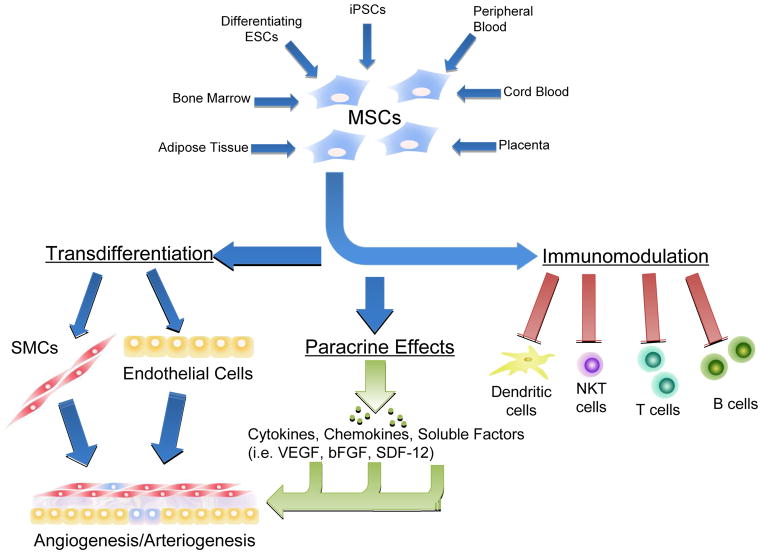
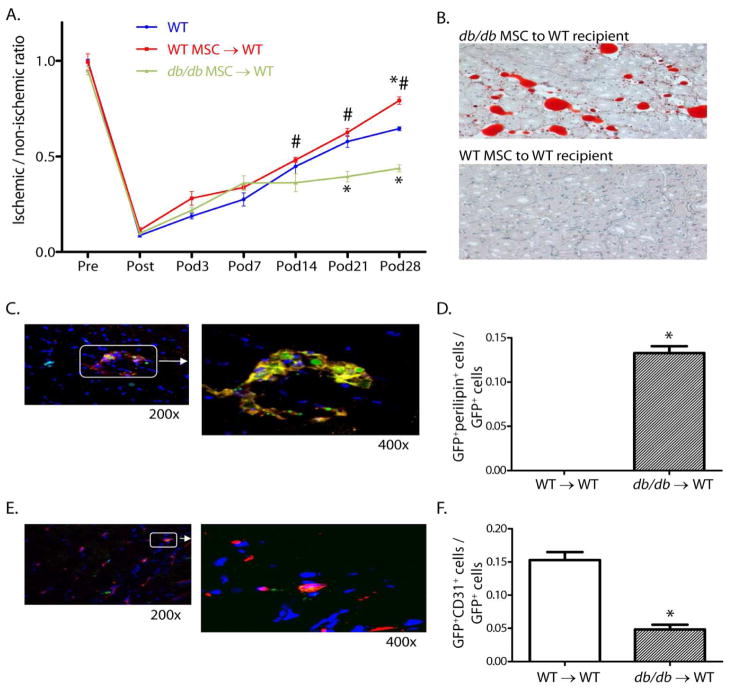
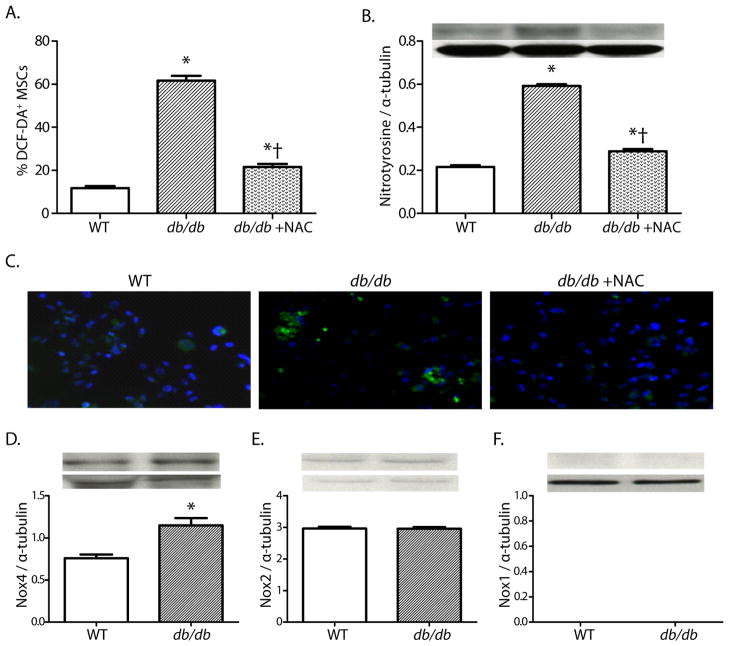
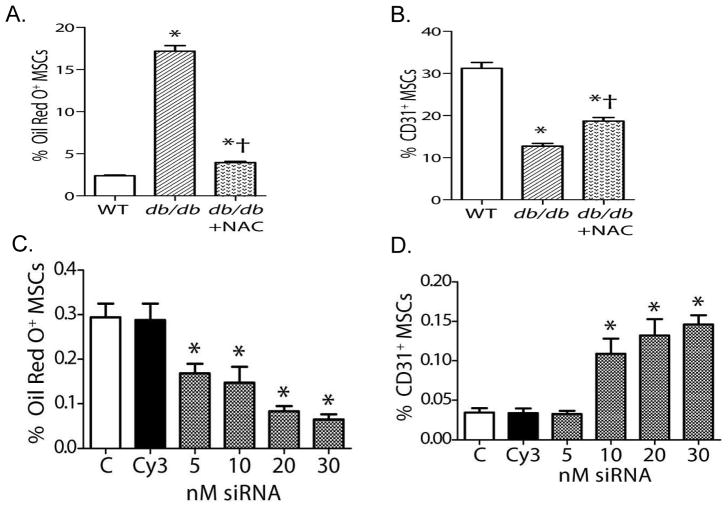
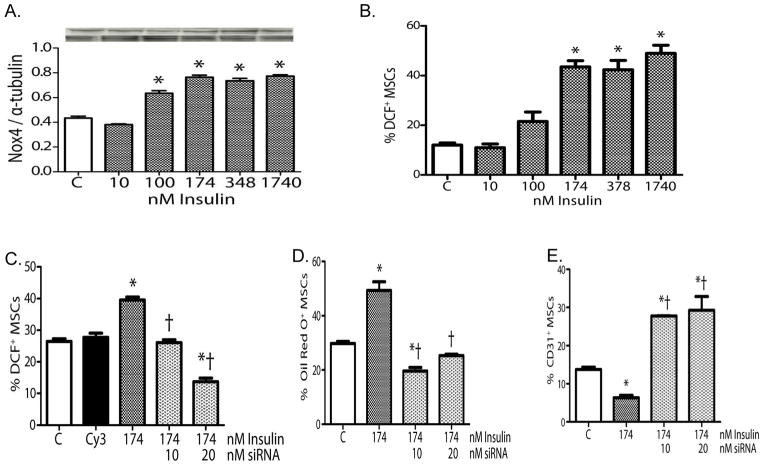
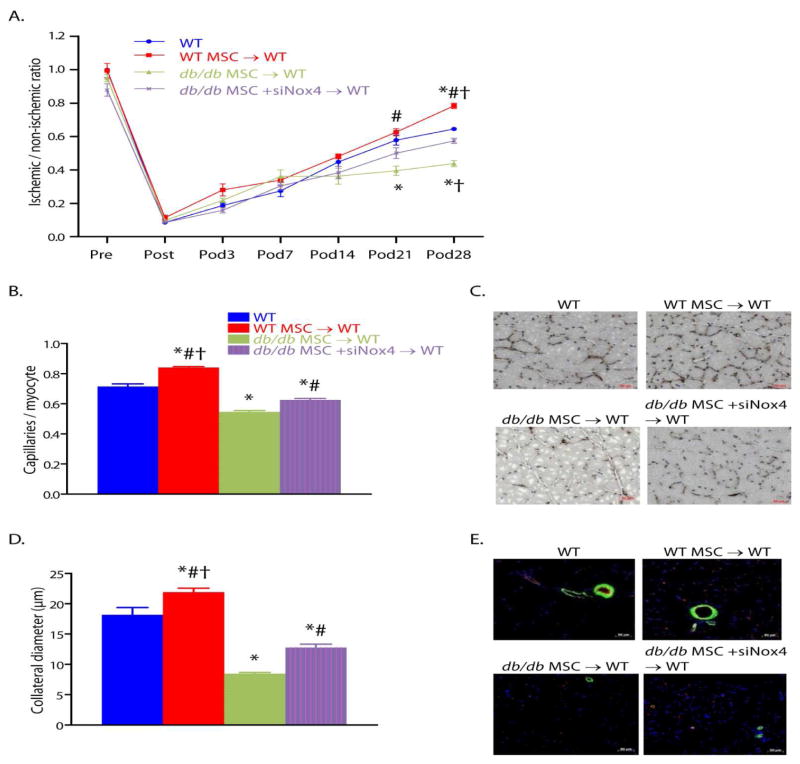
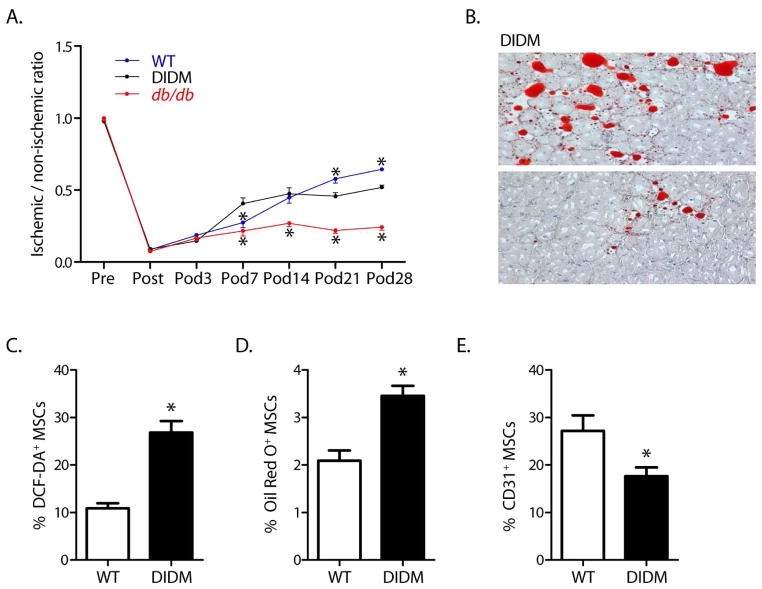
Mesenchymal stem cells (MSCs), due to their paracrine, transdifferentiation, and immunosuppressive effects, hold great promise as a therapy for peripheral arterial disease. Diabetes is an important risk factor for peripheral arterial disease; however, little is known of how type II diabetes affects the therapeutic function of MSCs. This review summarizes the current status of preclinical and clinical studies that have been performed to determine the efficacy of MSCs in the treatment of peripheral arterial disease. We also present findings from our laboratory regarding the impact of type II diabetes on the therapeutic efficacy of MSCs neovascularization after the induction of hindlimb ischemia. In our studies, we documented that experimental type II diabetes in db/db mice impaired MSCs' therapeutic function by favoring their differentiation towards adipocytes, while limiting their differentiation towards endothelial cells. Moreover, type II diabetes impaired the capacity of MSCs to promote neovascularization in the ischemic hindlimb. We further showed that these impairments of MSC function and multipotency were secondary to hyperinsulinemia-induced, Nox4-dependent oxidant stress in db/db MSCs. Should human MSCs display similar oxidant stress-induced impairment of function, these findings might permit greater leverage of the potential of MSC transplantation, particularly in the setting of diabetes or other cardiovascular risk factors, as well as provide a therapeutic approach by reversing the oxidant stress of MSCs prior to transplantation.
Conflict of interest statement
Conflict of interest
The authors declare no potential conflicts of interest.
Figures
References
-
- Takahashi TKC, Masuda H, Chen D, Silver M, Kearney M, Magner M, Isner JM, Asahara T. Ischemia- and cytokine-induced mobilization of bone marrow-derived endothelial progenitor cells for neovascularization. Nat Med. 1999;5(4):434–438. - PubMed
-
- Kinnaird TSE, Burnett MS, Epstein SE. Bone-marrow-derived cells for enhancing collateral development: mechanisms, animal data, and initial clinical experiences. Circ Res. 2004;95(4):354–363. - PubMed
-
- Asahara TMT, Sullivan A, Silver M, van der Zee R, Li T, Witzenbichler B, Schatteman G, Isner JM. Isolation of putative progenitor endothelial cells for angiogenesis. Science. 1997;275(5302):964–967. - PubMed
-
- Crosby KW, JR, Schatteman G, Martin PJ, Raines EW, Seifert RA, Bowen-Pope DF. Endothelial cells of hematopoietic origin make a significant contribution to adult blood vessel formation. Circ Res. 2000;87(9):728–30. - PubMed
-
- Sneider EB, NP, Messina LM. Regenerative medicine in the treatment of peripheral arterial disease. J Cell Biochem. 2009;108(4):753–61. - PubMed
Publication types
MeSH terms
Grants and funding
LinkOut - more resources
Full Text Sources
Other Literature Sources
Medical
Miscellaneous
