


Vestibular function assessment using the NIH Toolbox
- PMID: 23479540
- PMCID: PMC3662339
- DOI: 10.1212/WNL.0b013e3182872c6a
Vestibular function assessment using the NIH Toolbox
Abstract
Objective: Development of an easy to administer, low-cost test of vestibular function.
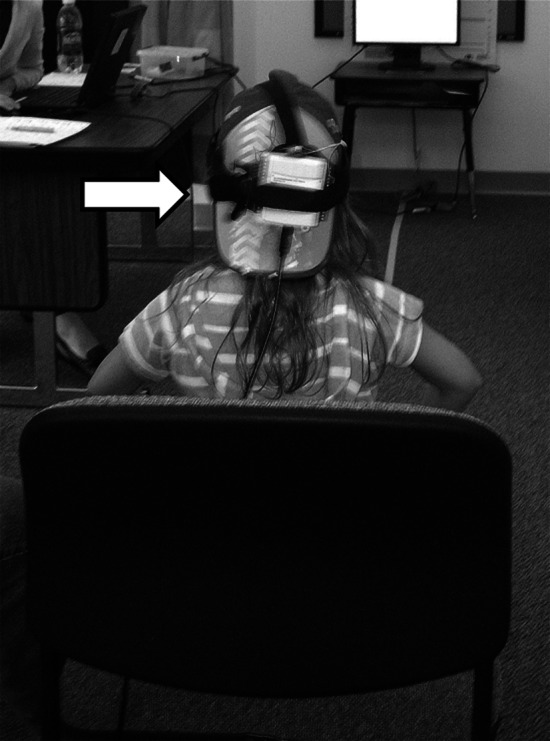
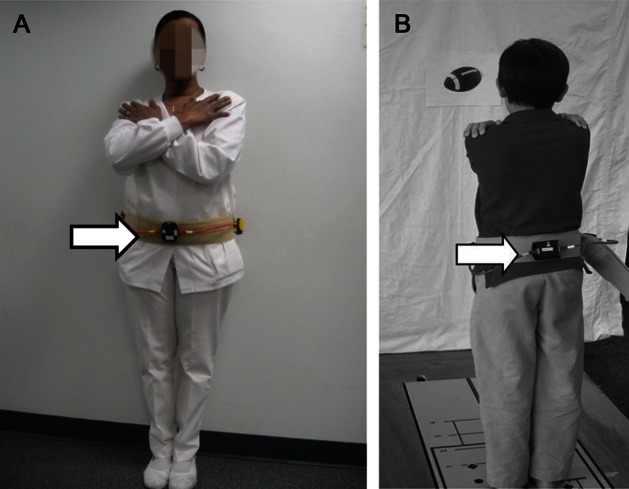
Methods: Members of the NIH Toolbox Sensory Domain Vestibular, Vision, and Motor subdomain teams collaborated to identify 2 tests: 1) Dynamic Visual Acuity (DVA), and 2) the Balance Accelerometry Measure (BAM). Extensive work was completed to identify and develop appropriate software and hardware. More than 300 subjects between the ages of 3 and 85 years, with and without vestibular dysfunction, were recruited and tested. Currently accepted gold standard measures of static visual acuity, vestibular function, dynamic visual acuity, and balance were performed to determine validity. Repeat testing was performed to examine reliability.
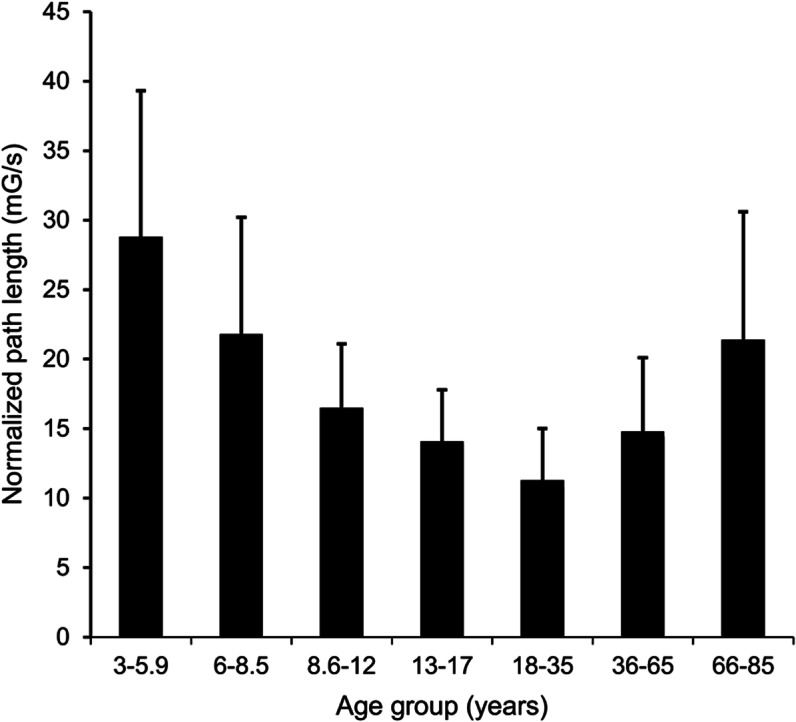
Results: The DVA and BAM tests are affordable and appropriate for use for individuals 3 through 85 years of age. The DVA had fair to good reliability (0.41-0.94) and sensitivity and specificity (50%-73%), depending on age and optotype chosen. The BAM test was moderately correlated with center of pressure (r = 0.42-0.48) and dynamic posturography (r = -0.48), depending on age and test condition. Both tests differentiated those with and without vestibular impairment and the young from the old. Each test was reliable.
Conclusion: The newly created DVA test provides a valid measure of visual acuity with the head still and moving quickly. The novel BAM is a valid measure of balance. Both tests are sensitive to age-related changes and are able to screen for impairment of the vestibular system.
Figures
References
-
- Wei D, Hain TC, Proctor LR. Head-shaking nystagmus: associations with canal paresis and hearing loss. Acta Otolaryngol 1989;108:362–367 - PubMed
-
- Hirabayashi S, Iwasaki Y. Developmental perspective of sensory organization on postural control. Brain Dev 1995;17:111–113 - PubMed
-
- Rine RM, Rubish K, Feeney C. Measurement of sensory system effectiveness and maturational changes in postural control in young children. Pediatr Phys Ther 1998;10:16–22
Publication types
MeSH terms
Grants and funding
- R01OH008986/OH/NIOSH CDC HHS/United States
- 5R44DC8022-3/DC/NIDCD NIH HHS/United States
- K23 007926/PHS HHS/United States
- R21EY019713/EY/NEI NIH HHS/United States
- R01 DC005040/DC/NIDCD NIH HHS/United States
- R01EY001849 DOC H/EY/NEI NIH HHS/United States
- R01 DC009255/DC/NIDCD NIH HHS/United States
- P30 AG024827/AG/NIA NIH HHS/United States
- R01 DC006296/DC/NIDCD NIH HHS/United States
- R01AG03111803/AG/NIA NIH HHS/United States
- R01DC002390/DC/NIDCD NIH HHS/United States
- R21NS059830/NS/NINDS NIH HHS/United States
- R01EY019347/EY/NEI NIH HHS/United States
LinkOut - more resources
Full Text Sources
Other Literature Sources
Miscellaneous
