


IMPACT OF WILLIAMS LIFESKILLS® TRAINING ON ANGER, ANXIETY AND AMBULATORY BLOOD PRESSURE IN ADOLESCENTS
- PMID: 23482659
- PMCID: PMC3587770
- DOI: 10.1007/s13142-012-0162-3
IMPACT OF WILLIAMS LIFESKILLS® TRAINING ON ANGER, ANXIETY AND AMBULATORY BLOOD PRESSURE IN ADOLESCENTS
Abstract
Background: The Williams LifeSkills® (WLS) anger and stress management workshop provides training in strategies to cope with stressful situations and build supportive relationships.
Purpose: The purpose of this study was to determine the impact of school-based Williams LifeSkills training on anger, anxiety and blood pressure in adolescents.
Methods: 159 adolescents (mean age±SD=15.7±1.4 years) were randomized to WLS (n=86) or control (CTL, n=73) groups. The WLS group engaged in twelve 50-min WLS training sessions conducted by teachers at school.
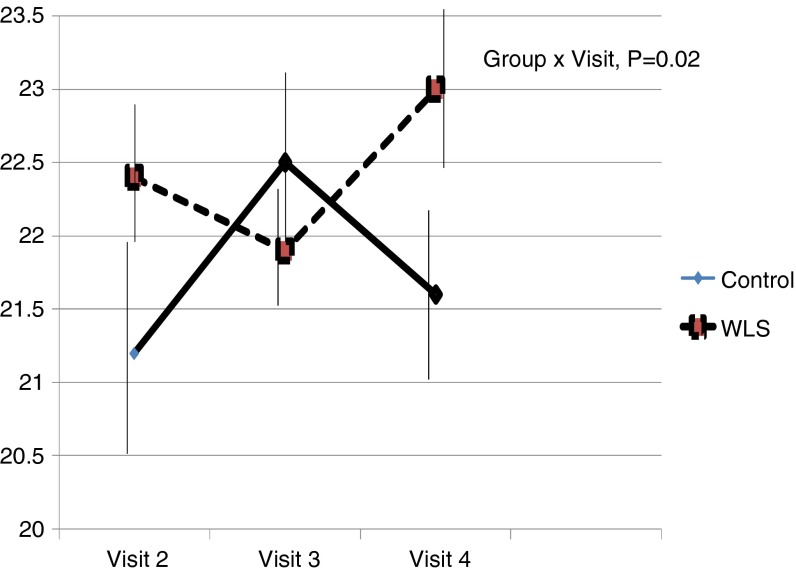
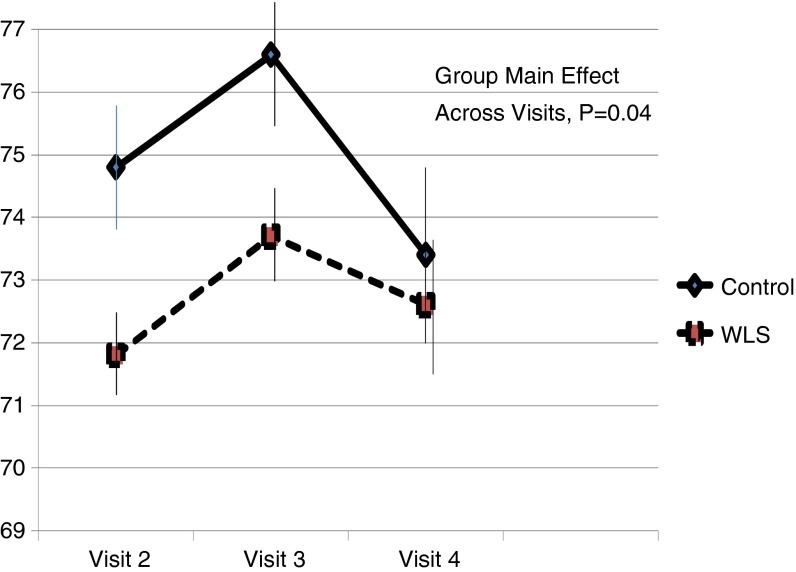
Results: Anger-in and anxiety scores decreased and anger control scores increased in the WLS group across the six-month follow-up period compared to the CTL group (group x visit, ps<0.05). Daytime diastolic BP was lower across the follow-up in the WLS group (p=0.08). DBP was significantly lower across the follow-up period in the WLS group among those with higher SBP at baseline (p=0.04).
Conclusion: These findings demonstrate beneficial impact of WLS upon self-reported anger-in, anger-control, anxiety levels and ambulatory DBP in the natural environment in healthy normotensive youth.
Keywords: Adolescents; Ambulatory Blood Pressure Monitoring; Anger; Anxiety; Blood Pressure; Coping Skills; Diastolic Blood Pressure; Systolic Blood Pressure.
Figures



References
Grants and funding
LinkOut - more resources
Full Text Sources
