. 2013;8(3):e57901.
doi: 10.1371/journal.pone.0057901. Epub 2013 Mar 4.

An integrative genomic and transcriptomic analysis reveals potential targets associated with cell proliferation in uterine leiomyomas

Affiliations

An integrative genomic and transcriptomic analysis reveals potential targets associated with cell proliferation in uterine leiomyomas

Priscila Daniele Ramos Cirilo et al. PLoS One. 2013.

Abstract

Background: Uterine Leiomyomas (ULs) are the most common benign tumours affecting women of reproductive age. ULs represent a major problem in public health, as they are the main indication for hysterectomy. Approximately 40-50% of ULs have non-random cytogenetic abnormalities, and half of ULs may have copy number alterations (CNAs). Gene expression microarrays studies have demonstrated that cell proliferation genes act in response to growth factors and steroids. However, only a few genes mapping to CNAs regions were found to be associated with ULs.

Methodology: We applied an integrative analysis using genomic and transcriptomic data to identify the pathways and molecular markers associated with ULs. Fifty-one fresh frozen specimens were evaluated by array CGH (JISTIC) and gene expression microarrays (SAM). The CONEXIC algorithm was applied to integrate the data.

Principal findings: The integrated analysis identified the top 30 significant genes (P<0.01), which comprised genes associated with cancer, whereas the protein-protein interaction analysis indicated a strong association between FANCA and BRCA1. Functional in silico analysis revealed target molecules for drugs involved in cell proliferation, including FGFR1 and IGFBP5. Transcriptional and protein analyses showed that FGFR1 (P = 0.006 and P<0.01, respectively) and IGFBP5 (P = 0.0002 and P = 0.006, respectively) were up-regulated in the tumours when compared with the adjacent normal myometrium.

Conclusions: The integrative genomic and transcriptomic approach indicated that FGFR1 and IGFBP5 amplification, as well as the consequent up-regulation of the protein products, plays an important role in the aetiology of ULs and thus provides data for potential drug therapies development to target genes associated with cellular proliferation in ULs.


Conflict of interest statement

Competing Interests: The authors have declared that no competing interests exist.

Figures

Figure 1
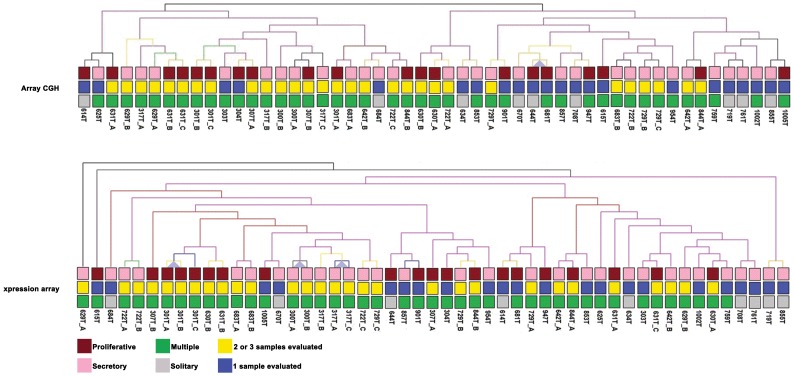
Figure 1. Hierarchical clustering.
The patients were grouped according to the menstrual cycle phase (proliferative and secretory), number of samples evaluated and diagnosis of multiple or solitary tumours. These results show that the genomic and transcriptomic data were useful to clustering the samples regardless of the clinical features, indicating that could be markers to tumour biology (TMeV v.4.5).
Figure 2
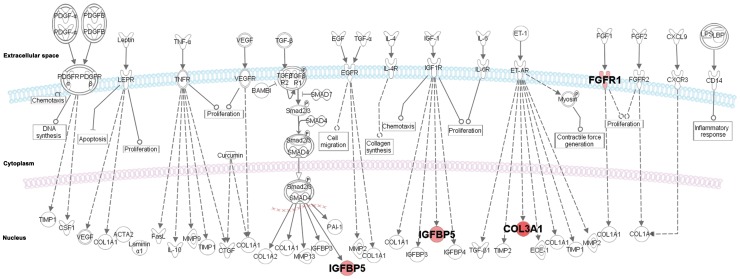
Figure 2. Canonical pathway from hepatic fibrosis/hepatic stellate cell activation.
Cell proliferation and extracellular matrix deposition process with high similarity observed in ULs. FGFR1 and IGFBP5 were selected as potential molecular markers in ULs treatment.
Figure 3
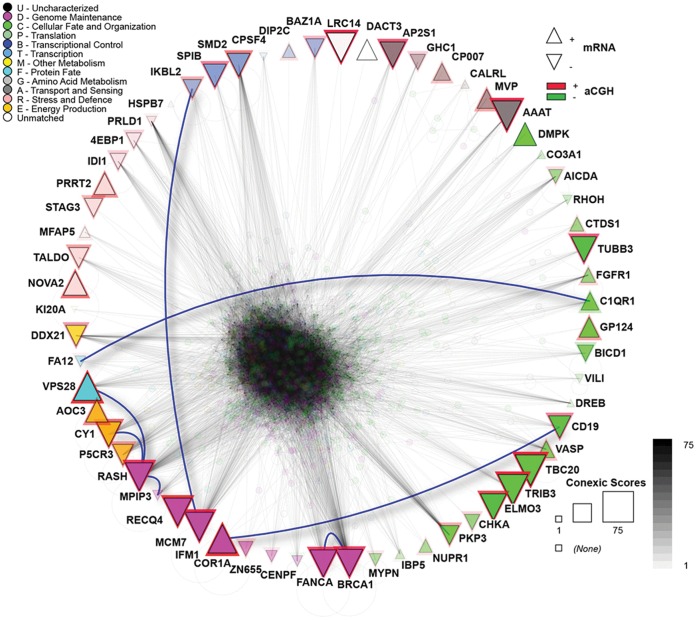
Figure 3. Protein-protein interaction network of 75 modulators.
The 75 modulators were used to query the I2D database to obtain their interacting partners (and also interactions among the modulators). I2D v. 2.0 contained data on 62 modulators, which resulted in a large network of 1,456 proteins and 29,530 interactions. The upward triangles represent up-regulated genes, and the downward triangles represent down-regulated genes. The red and green triangle lines represent genes in amplified and deleted regions, respectively. The biological processes that the modulators are involved are represented by different colours, per the legend, and the triangle size corresponds with the score, i.e., larger triangles depict the highest scores. Direct physical interactions between modulators are represented by blue lines. The remainder of the network is partially transparent to reduce the clutter. The network visualisation and analysis was performed in NAViGaTOR 2.3.
Figure 4
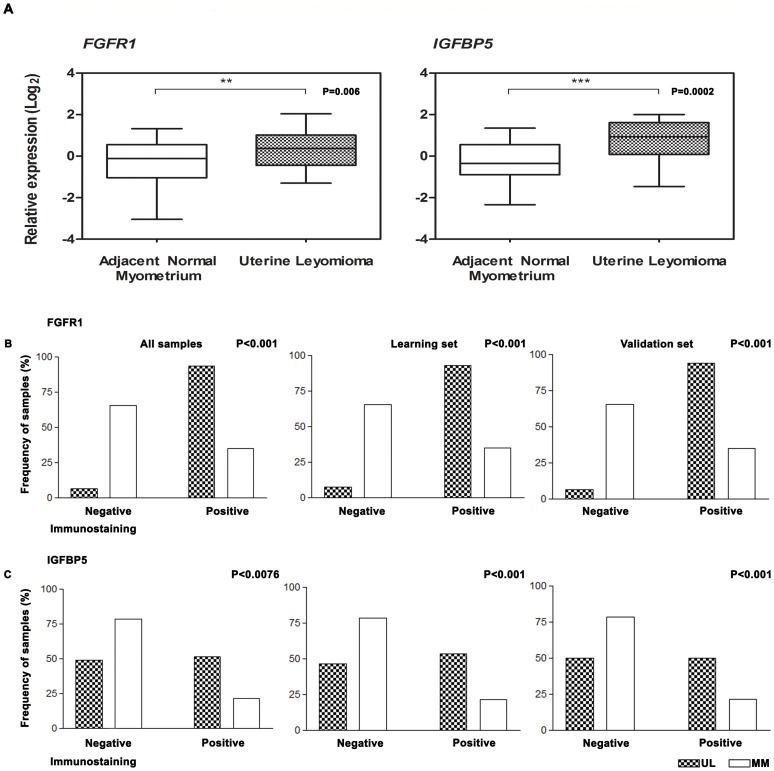
Figure 4. Data validation.
(A) Boxplot illustrating MM (normal) and ULs (tumour) normalised to obtain relative expression values for all samples evaluated by RT-qPCR. P = paired t test significance. **P = 0.006; ***P = 0.0002; Immunostaining frequency for the (B) FGFR1 and (C) IGFBP5 proteins. The P values (Fisheŕs test) were obtained based on the comparison of the MM and ULs immunostaining results.
Figure 5
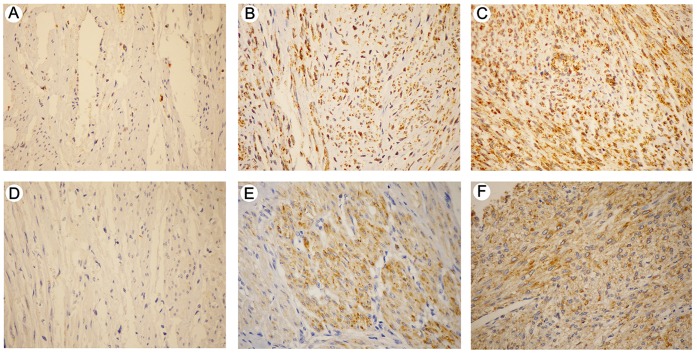
Figure 5. FGFR1 and IGFBP5 protein expression by immunohistochemistry in uterine leiomyomas.
(A) FGFR1-adjacent normal myometrium showing FGFR1 low level expression (score 1); (B) and (C) FGFR1 cytoplasmic positive expression in uterine leiomyoma tissue (scores 2 and 3/intensity, respectively); (D) adjacent normal myometrium showing IGFBP5 negative expression (score 0); (E) and (F) IGFBP5 cytoplasmic positive expression in uterine leiomyoma tissue (scores 2 and 3/intensity, respectively) (200×).

References

    1. Baird DD, Dunson DB (2003) Why is parity protective for uterine fibroids? Epidemology 14: 247–250. - PubMed
    1. Mantovani MS, Barbieri NJ, Philbert PMP (1999) Multiple uterine leiomyomas: Cytogenetic analysis. Gynecol Oncol 72: 71–75. - PubMed
    1. Cook H, Ezzati M, Segars JH, McCarthy K (2010) The impact of uterine leiomyomas on reproductive outcomes. Minerva Ginecol 62: 225–236. - PMC - PubMed
    1. Flake GP, Andersen J, Dixon D (2003) Etiology and pathogenesis of uterine leiomyomas: a review. Environ Health Perspect 111: 1037–1054. - PMC - PubMed
    1. Ishikawa H, Ishi K, Serna VA, Kakazu R, Bulun SE, et al. (2010) Progesterone is essential for maintenance and growth of uterine leiomyoma. Endocrinology 151: 2433–2442. - PMC - PubMed

Publication types

MeSH terms

Substances