


Naïve Definitions of Action and Inaction: The Continuum, Spread, and Valence of Behaviors
- PMID: 23487013
- PMCID: PMC3593352
- DOI: 10.1002/ejsp.860
Naïve Definitions of Action and Inaction: The Continuum, Spread, and Valence of Behaviors
Abstract
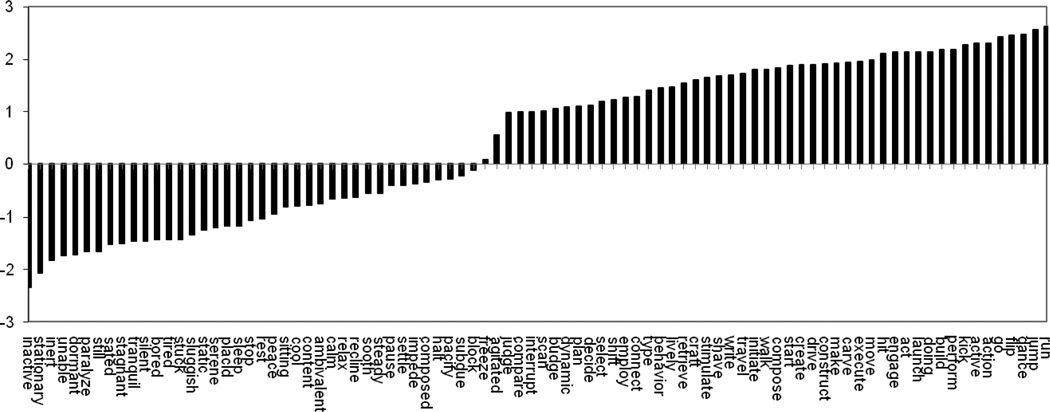
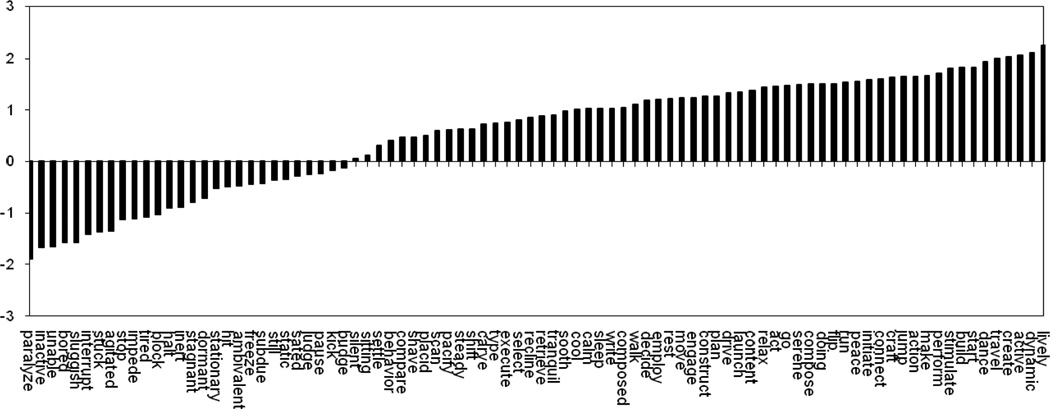
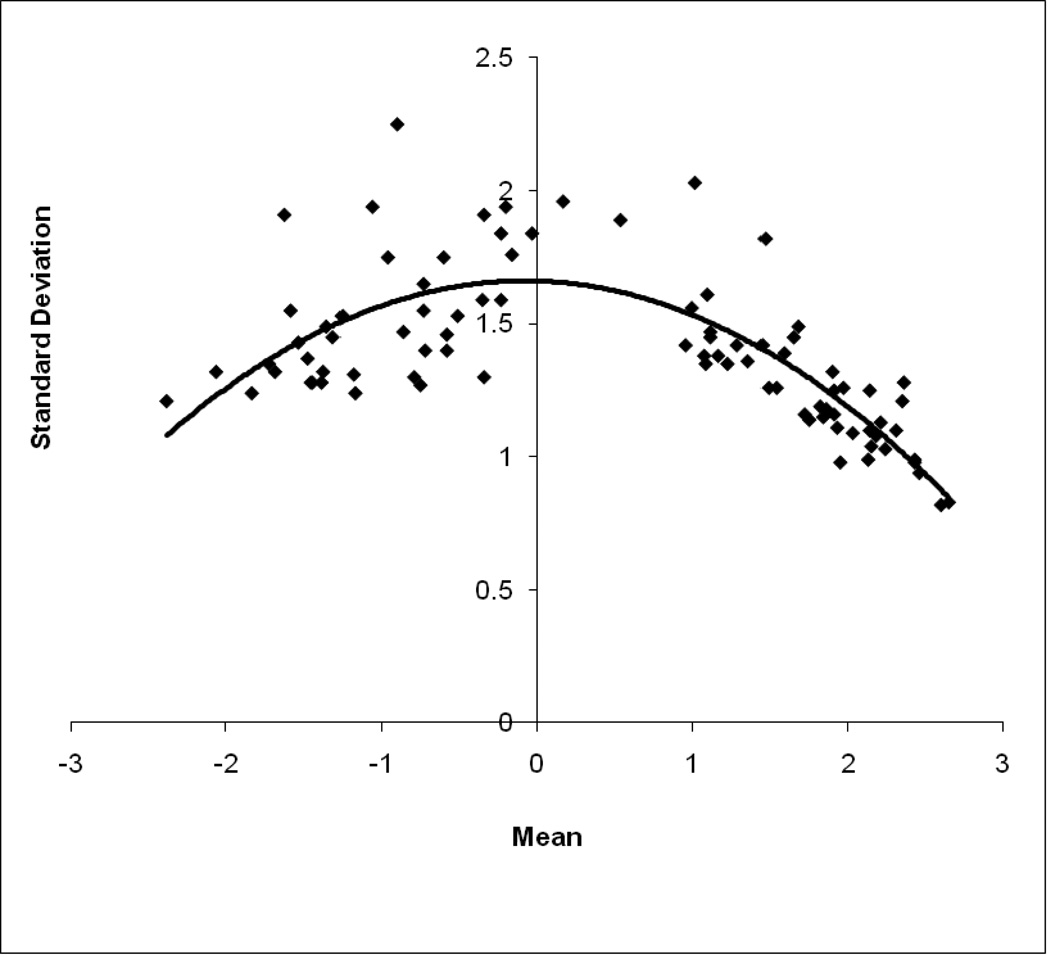
The cohesiveness of a society depends, in part, on how its individual members manage their daily activities with respect to the goals of that society. Hence, there should be a degree of social agreement on what constitutes action and what constitutes inaction. The present research investigated the structure of action and inaction definitions, the evaluation of action versus inaction, and individual differences in these evaluations. Action-inaction ratings of behaviors and states showed more social agreement at the ends of the inaction-action continuum than at the middle, suggesting a socially shared construal of this definition. Action-inaction ratings were also shown to correlate with the valence of the rated behaviors, such that the more active the behavior the more positive its valence. Lastly, individual differences in locomotion, need for closure, and Christian religious beliefs correlated positively with a preference for action.
Keywords: action control; agency; inaction; self-regulation.
Figures
References
-
- Allison ST, Messick DM. The feature-positive effect, attitude strength, and degree of perceived consensus. Personality and Social Psychology Bulletin. 1988;14:231–241. - PubMed
-
- Aronson E, Mills J. The effect of severity of initiation on liking for a group. Journal of Abnormal and Social Psychology. 1959;59:177–181. - PubMed
Grants and funding
LinkOut - more resources
Full Text Sources