


Effects of vildagliptin versus sitagliptin, on cardiac function, heart rate variability and mitochondrial function in obese insulin-resistant rats
- PMID: 23488656
- PMCID: PMC3696328
- DOI: 10.1111/bph.12176
Effects of vildagliptin versus sitagliptin, on cardiac function, heart rate variability and mitochondrial function in obese insulin-resistant rats
Abstract
Background and purpose: Long-term high-fat diet (HFD) consumption has been shown to cause insulin resistance, which is characterized by hyperinsulinaemia with metabolic inflexibility. Insulin resistance is associated with cardiac sympathovagal imbalance, cardiac dysfunction and cardiac mitochondrial dysfunction. Dipeptidyl peptidase-4 (DPP-4) inhibitors, vildagliptin and sitagliptin, are oral anti-diabetic drugs often prescribed in patients with cardiovascular disease. Therefore, in this study, we sought to determine the effects of vildagliptin and sitagliptin in a murine model of insulin resistance.
Experimental approach: Male Wistar rats weighing 180-200 g, were fed either a normal diet (20% energy from fat) or a HFD (59% energy from fat) for 12 weeks. These rats were then divided into three subgroups to receive vildagliptin (3 mg·kg(-1)·day(-1)), sitagliptin (30 mg·kg(-1)·day(-1)) or vehicle for another 21 days. Metabolic parameters, oxidative stress, heart rate variability (HRV), cardiac function and cardiac mitochondrial function were determined.
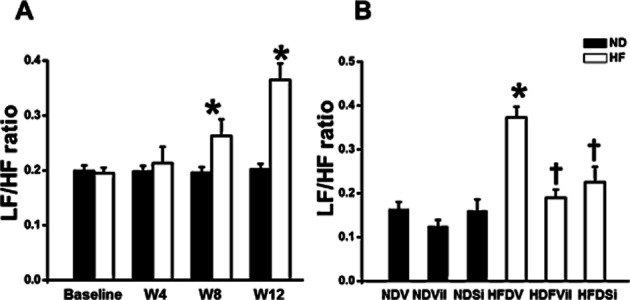
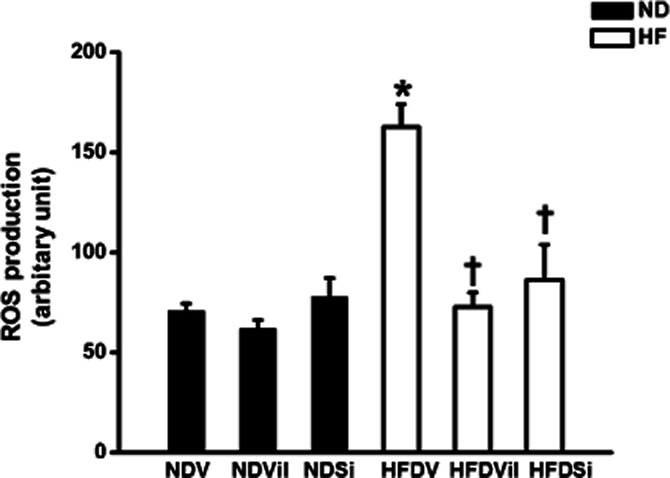
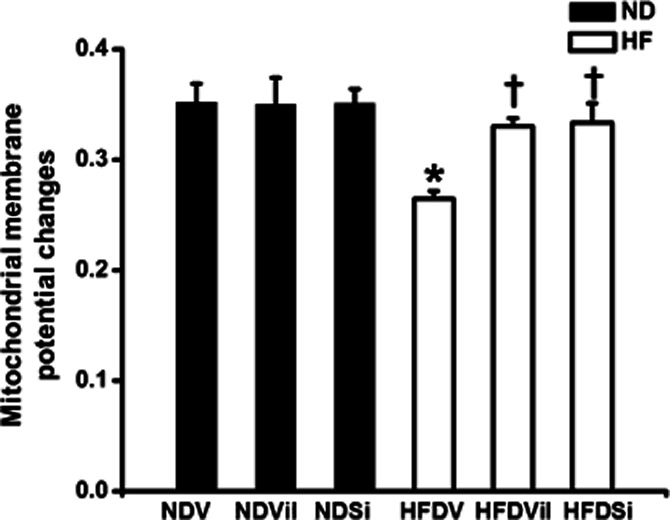
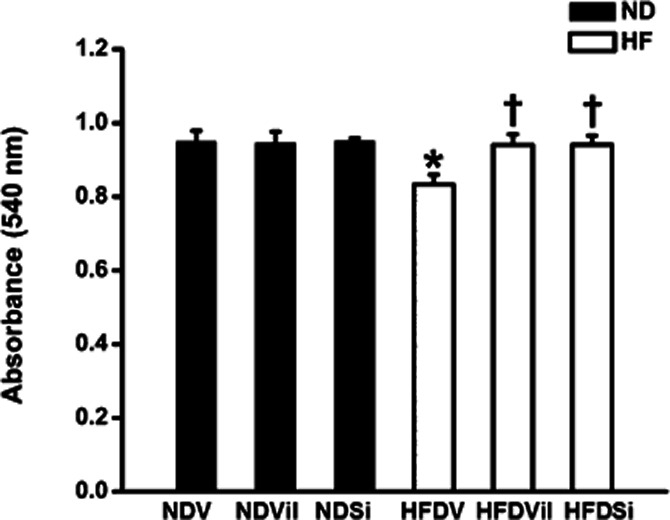
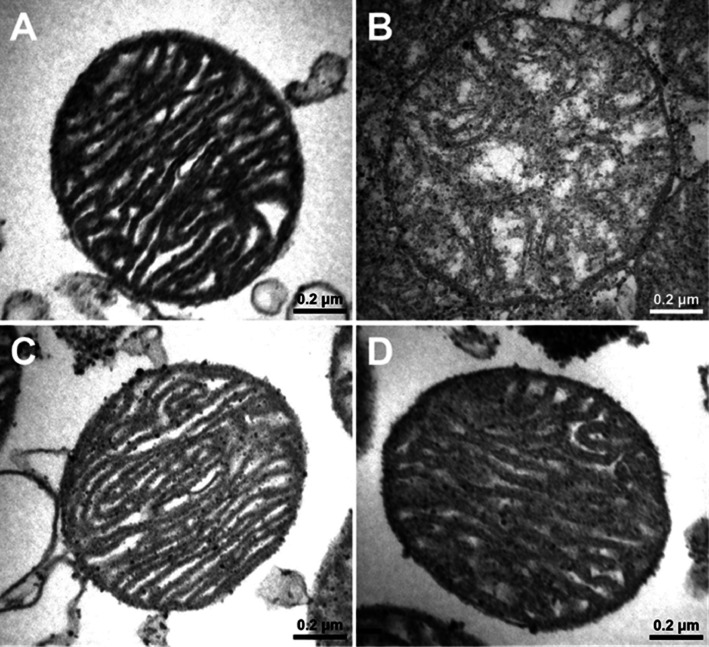
Key results: Rats that received HFD developed insulin resistance characterized by increased body weight, plasma insulin, total cholesterol and oxidative stress levels along with a decreased high-density lipoprotein (HDL) level. Moreover, cardiac dysfunction, depressed HRV, cardiac mitochondrial dysfunction and cardiac mitochondrial morphology changes were observed in HFD rats. Both vildagliptin and sitagliptin decreased plasma insulin, total cholesterol and oxidative stress as well as increased HDL level. Furthermore, vildagliptin and sitagliptin attenuated cardiac dysfunction, prevented cardiac mitochondrial dysfunction and completely restored HRV.
Conclusions and implications: Both vildagliptin and sitagliptin share similar efficacy in cardioprotection in obese insulin-resistant rats.
© 2013 The Authors. British Journal of Pharmacology © 2013 The British Pharmacological Society.
Figures
References
-
- Ahren B, Landin-Olsson M, Jansson PA, Svensson M, Holmes D, Schweizer A. Inhibition of dipeptidyl peptidase-4 reduces glycemia, sustains insulin levels, and reduces glucagon levels in type 2 diabetes. J Clin Endocrinol Metab. 2004;89:2078–2084. - PubMed
-
- Apaijai N, Pintana H, Chattipakorn SC, Chattipakorn N. Cardioprotective effects of metformin and vildagliptin in adult rats with insulin resistance induced by a high-fat diet. Endocrinology. 2012;153:3878–3885. - PubMed
-
- Bose AK, Mocanu MM, Carr RD, Brand CL, Yellon DM. Glucagon-like peptide 1 can directly protect the heart against ischemia/reperfusion injury. Diabetes. 2005;54:146–151. - PubMed
-
- Briand F, Thieblemont Q, Burcelin R, Sulpice T. Sitagliptin promotes macrophage-to-faeces reverse cholesterol transport through reduced intestinal cholesterol absorption in obese insulin resistant CETP-apoB100 transgenic mice. Diabetes Obes Metab. 2012;14:662–665. - PubMed
-
- Burkey BF, Li X, Bolognese L, Balkan B, Mone M, Russell M, et al. Acute and chronic effects of the incretin enhancer vildagliptin in insulin-resistant rats. J Pharmacol Exp Ther. 2005;315:688–695. - PubMed
Publication types
MeSH terms
Substances
LinkOut - more resources
Full Text Sources
Other Literature Sources
Medical
Miscellaneous
