


Nutritional sustainability of pet foods
- PMID: 23493530
- PMCID: PMC3649094
- DOI: 10.3945/an.112.003335
Nutritional sustainability of pet foods
Abstract
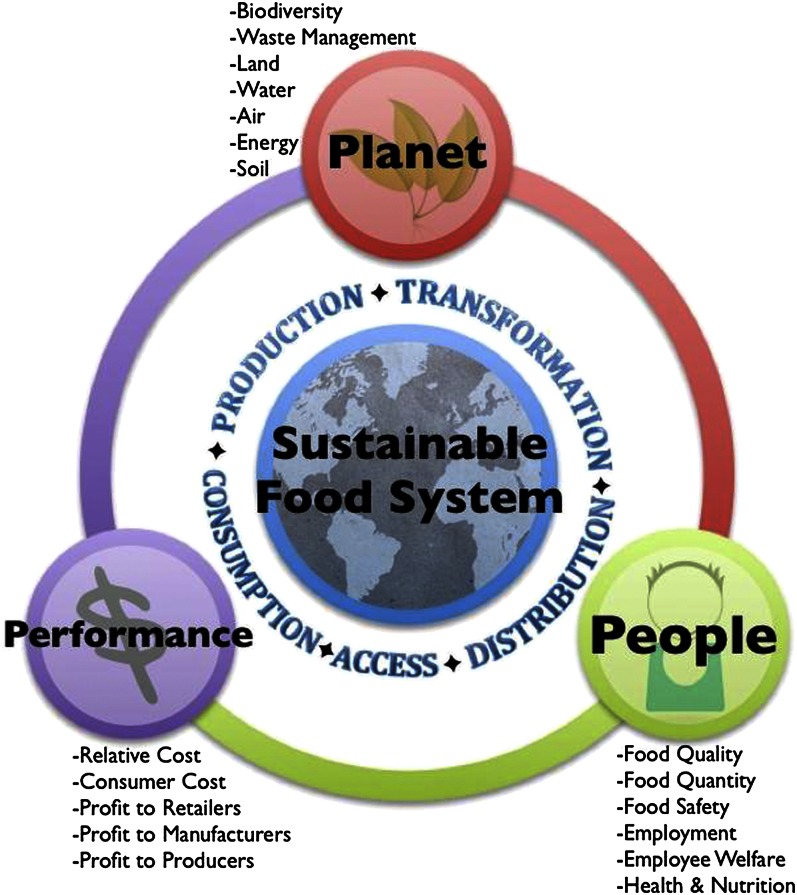
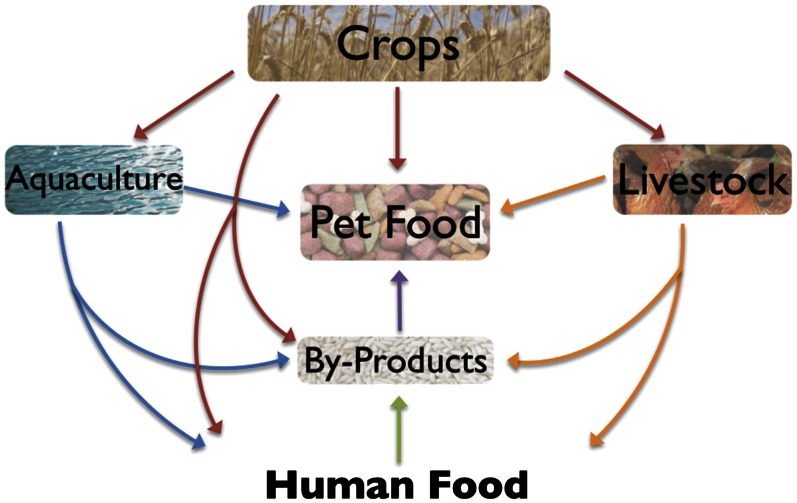
Sustainable practices meet the needs of the present without compromising the ability of future generations to meet their needs. Applying these concepts to food and feed production, nutritional sustainability is the ability of a food system to provide sufficient energy and essential nutrients required to maintain good health in a population without compromising the ability of future generations to meet their nutritional needs. Ecological, social, and economic aspects must be balanced to support the sustainability of the overall food system. The nutritional sustainability of a food system can be influenced by several factors, including the ingredient selection, nutrient composition, digestibility, and consumption rates of a diet. Carbon and water footprints vary greatly among plant- and animal-based ingredients, production strategy, and geographical location. Because the pet food industry is based largely on by-products and is tightly interlinked with livestock production and the human food system, however, it is quite unique with regard to sustainability. Often based on consumer demand rather than nutritional requirements, many commercial pet foods are formulated to provide nutrients in excess of current minimum recommendations, use ingredients that compete directly with the human food system, or are overconsumed by pets, resulting in food wastage and obesity. Pet food professionals have the opportunity to address these challenges and influence the sustainability of pet ownership through product design, manufacturing processes, public education, and policy change. A coordinated effort across the industry that includes ingredient buyers, formulators, and nutritionists may result in a more sustainable pet food system.
Conflict of interest statement
Author disclosures: R. A. Carter, T. P. Yount, J. Aretz, and P. R. Buff are employed by The Nutro Company. K. S. Swanson, no conflicts of interest.
Figures
References
-
- Allen KM, Blascovich J. Presence of human friends and pet dogs as moderators of autonomic responses to stress in women. J Pers Soc Psychol. 1991;61:582–9 - PubMed
-
- Friedmann E, Thomas SA. Pet ownership, social support and one year survival after acute myocardial infarction in the Cardiac Arrhythmic Suppression Trial, CAST. Am J Cardiol. 1995;76:1213–7 - PubMed
-
- Headey BW. Health benefits and health cost savings due to pets: Preliminary estimates from an Australian national survey. Soc Indic Res. 1999;47:233–43
-
- Headey BW, Grabka M, Kelley J, Reddy P, Tseng YP. Pet ownership is good for your health and saves public expenditure too: Australian and German longitudinal evidence. Aust Social Monitor. 2002;5:93–9
Publication types
MeSH terms
LinkOut - more resources
Full Text Sources
Other Literature Sources
