


Sucrose, high-fructose corn syrup, and fructose, their metabolism and potential health effects: what do we really know?
- PMID: 23493540
- PMCID: PMC3649104
- DOI: 10.3945/an.112.002824
Sucrose, high-fructose corn syrup, and fructose, their metabolism and potential health effects: what do we really know?
Abstract
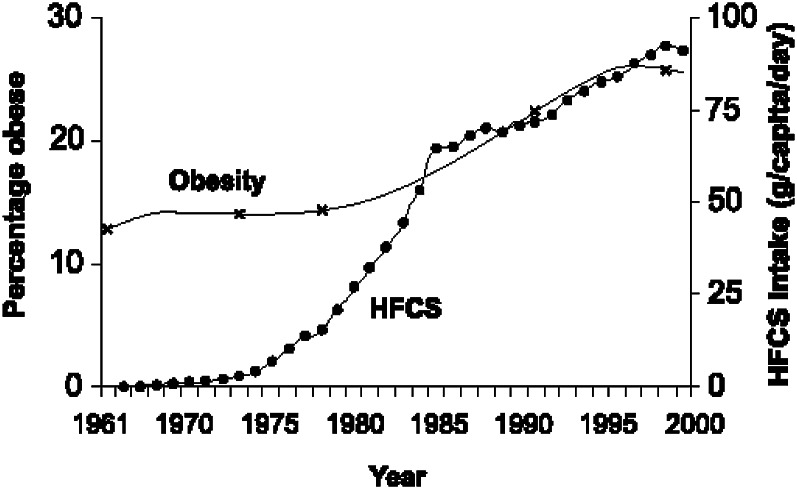
Both controversy and confusion exist concerning fructose, sucrose, and high-fructose corn syrup (HFCS) with respect to their metabolism and health effects. These concerns have often been fueled by speculation based on limited data or animal studies. In retrospect, recent controversies arose when a scientific commentary was published suggesting a possible unique link between HFCS consumption and obesity. Since then, a broad scientific consensus has emerged that there are no metabolic or endocrine response differences between HFCS and sucrose related to obesity or any other adverse health outcome. This equivalence is not surprising given that both of these sugars contain approximately equal amounts of fructose and glucose, contain the same number of calories, possess the same level of sweetness, and are absorbed identically through the gastrointestinal tract. Research comparing pure fructose with pure glucose, although interesting from a scientific point of view, has limited application to human nutrition given that neither is consumed to an appreciable degree in isolation in the human diet. Whether there is a link between fructose, HFCS, or sucrose and increased risk of heart disease, metabolic syndrome, or fatty infiltration of the liver or muscle remains in dispute with different studies using different methodologies arriving at different conclusions. Further randomized clinical trials are needed to resolve many of these issues. The purpose of this review is to summarize current knowledge about the metabolism, endocrine responses, and potential health effects of sucrose, HFCS, and fructose.
Conflict of interest statement
Author disclosures: J. M. Rippe, consulting fees from ConAgra Foods, PepsiCo International, Kraft Foods, the Corn Refiners Association, and Weight Watchers International. T. J. Angelopoulos, no conflicts of interest.
Figures
References
-
- Fulgoni V. High fructose corn syrup: everything you wanted to know, but were afraid to ask. Am J Clin Nutr. 2008;88: suppl:1715S. - PubMed
Publication types
MeSH terms
Substances
LinkOut - more resources
Full Text Sources
Other Literature Sources
Medical
