Vaccines against stimulants: cocaine and MA
- PMID: 23509915
- PMCID: PMC4014030
- DOI: 10.1111/bcp.12115
Vaccines against stimulants: cocaine and MA
Abstract
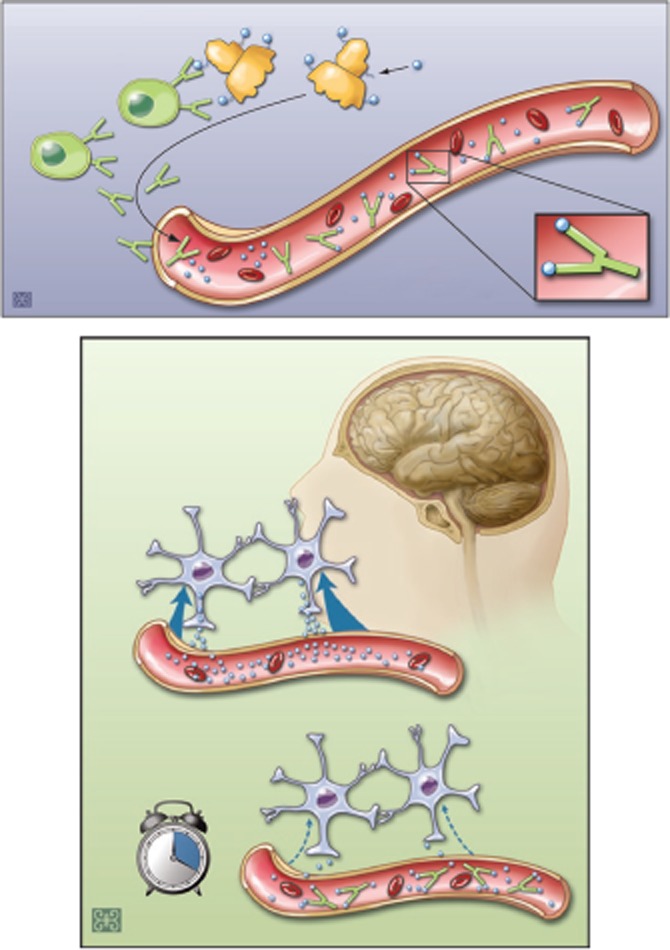
While the worldwide prevalence of cocaine use remains significant, medications, or small molecule approaches, to treat drug addictions have met with limited success. Anti-addiction vaccines, on the other hand, have demonstrated great potential for treating drug abuse using a distinctly different mechanism of eliciting an antibody response that blocks the pharmacological effects of drugs. We provide a review of vaccine-based approaches to treating stimulant addictions; specifically and cocaine addictions. This selective review article focuses on the one cocaine vaccine that has been into clinical trials and presents new data related to pre-clinical development of a methamphetamine (MA) vaccine. We also review the mechanism of action for vaccine induced antibodies to abused drugs, which involves kinetic slowing of brain entry as well as simple blocking properties. We present pre-clinical innovations for MA vaccines including hapten design, linkage to carrier proteins and new adjuvants beyond alum. We provide some new information on hapten structures and linkers and variations in protein carriers. We consider a carrier, outer membrance polysaccharide coat protein (OMPC), that provides some self-adjuvant through lipopolysaccharide components and provide new results with a monophosopholipid adjuvant for the more standard carrier proteins with cocaine and MA. The review then covers the clinical trials with the cocaine vaccine TA-CD. The clinical prospects for advances in this field over the next few years include a multi-site cocaine vaccine clinical trial to be reported in 2013 and phase 1 clinical trials of a MA vaccine in 2014.
Keywords: clinical trial; cocaine; stimulants; vaccines.
© 2013 The British Pharmacological Society.
Figures

References
-
- United Nations Office on Drugs and Crime. 2010. World Drug Report. Available at http://www.unodc.org/documents/wdr/WDR_2010/2.3_Coca-cocaine.pdf (last accessed 8 March 2012)
-
- Kosten T, Owens SM. Immunotherapy for the treatment of drug abuse. Pharmacol Ther. 2005;108:76–85. - PubMed
-
- Nelson RA, Boyd SJ, Ziegelstein RC, Herning R, Cadet JL, Henningfield JE, Schuster CR, Contoreggi C, Gorelick DA. Effect of rate of administration on subjective and physiological effects of intravenous cocaine in humans. Drug Alcohol Depend. 2006;82:19–24. - PubMed
Publication types
MeSH terms
Substances
Grants and funding
LinkOut - more resources
Full Text Sources
Other Literature Sources
Medical
Miscellaneous