


Critical care--where have we been and where are we going?
- PMID: 23514264
- PMCID: PMC3603479
- DOI: 10.1186/cc11500
Critical care--where have we been and where are we going?
Abstract
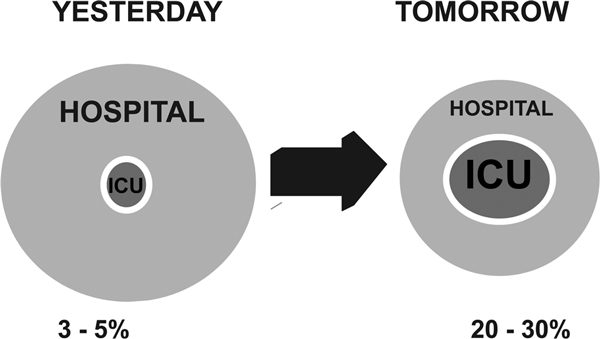
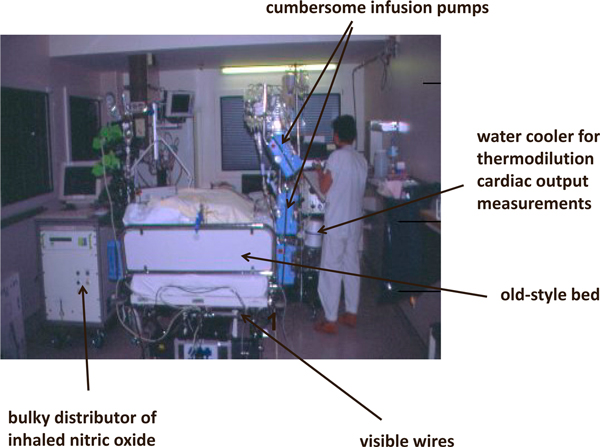
The first ICUs were established in the late 1950s and the specialty of critical care medicine began to develop. Since those early days, huge improvements have been made in terms of technological advances and understanding of the pathophysiology and pathogenesis of the disease processes that affect critically ill patients. Progress in therapeutics has been less dramatic, but process of care has improved steadily with important changes, including less iatrogenicity, better communication with patients and families, and improved teamwork, which have helped improve outcomes for ICU patients. Critical care medicine is one of the fastest-growing hospital specialties and, looking back, it is clear just how far we have come in such a relatively short period of time. With the ICU set to occupy an increasingly important place in hospitals worldwide, we must learn from the past and wisely embrace new developments in technology, therapeutics, and process, to ensure that the goals of critical care medicine are met in the future.
Figures
References
-
- Ristagno G, Weil MH. In: Intensive and Critical Care Medicine. Gullo A, Lumb PD, Besso J, Williams GF, editor. Milan: Springer-Verlag; 2009. History of critical care medicine: the past, present and future; pp. 3–17.
Publication types
MeSH terms
LinkOut - more resources
Full Text Sources
Other Literature Sources
Medical
Miscellaneous
