


Identification of human microRNA-like sequences embedded within the protein-encoding genes of the human immunodeficiency virus
- PMID: 23520522
- PMCID: PMC3592801
- DOI: 10.1371/journal.pone.0058586
Identification of human microRNA-like sequences embedded within the protein-encoding genes of the human immunodeficiency virus
Abstract
Background: MicroRNAs (miRNAs) are highly conserved, short (18-22 nts), non-coding RNA molecules that regulate gene expression by binding to the 3' untranslated regions (3'UTRs) of mRNAs. While numerous cellular microRNAs have been associated with the progression of various diseases including cancer, miRNAs associated with retroviruses have not been well characterized. Herein we report identification of microRNA-like sequences in coding regions of several HIV-1 genomes.
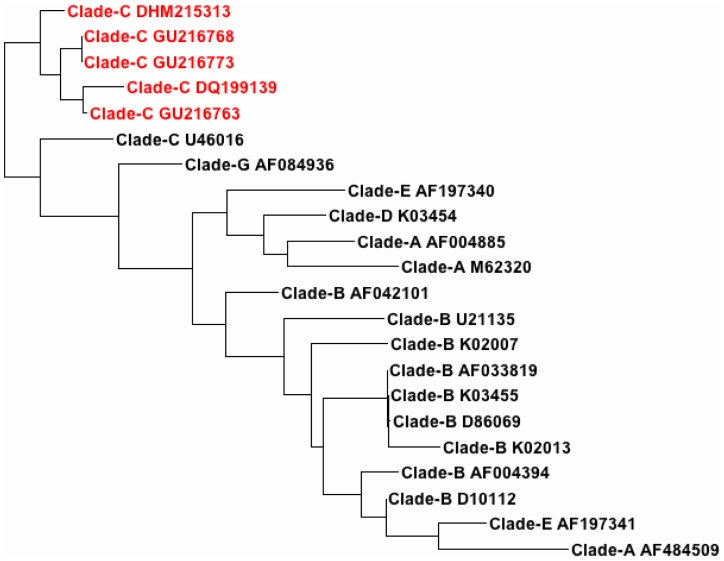
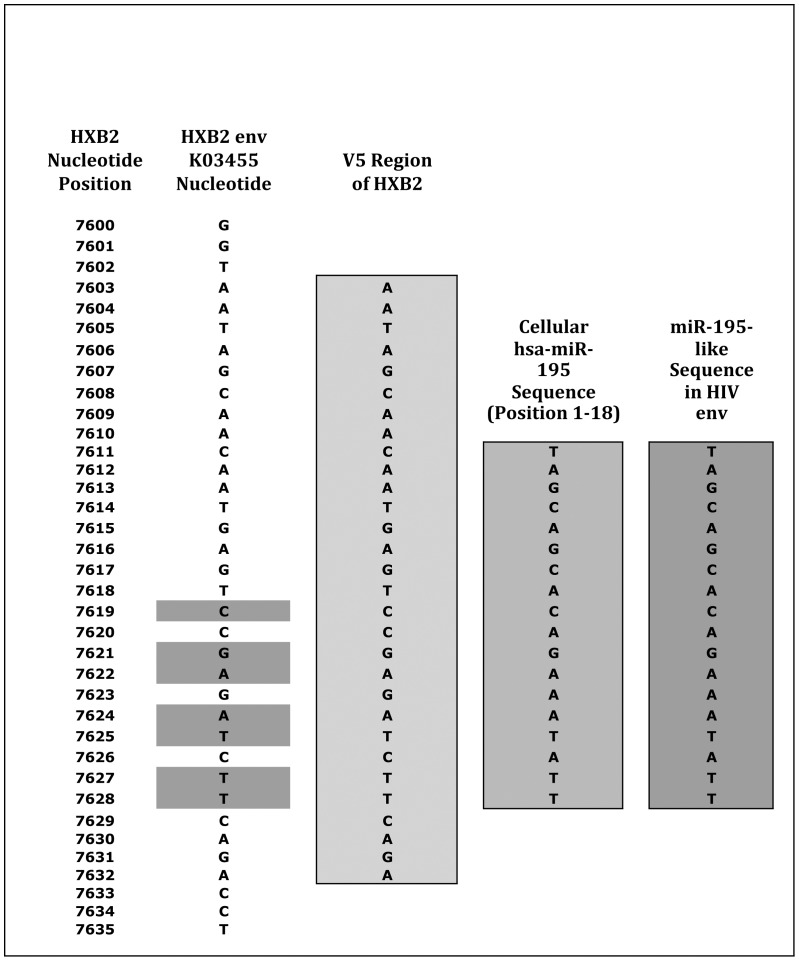
Results: Based on our earlier proteomics and bioinformatics studies, we have identified 8 cellular miRNAs that are predicted to bind to the mRNAs of multiple proteins that are dysregulated during HIV-infection of CD4+ T-cells in vitro. In silico analysis of the full length and mature sequences of these 8 miRNAs and comparisons with all the genomic and subgenomic sequences of HIV-1 strains in global databases revealed that the first 18/18 sequences of the mature hsa-miR-195 sequence (including the short seed sequence), matched perfectly (100%), or with one nucleotide mismatch, within the envelope (env) genes of five HIV-1 genomes from Africa. In addition, we have identified 4 other miRNA-like sequences (hsa-miR-30d, hsa-miR-30e, hsa-miR-374a and hsa-miR-424) within the env and the gag-pol encoding regions of several HIV-1 strains, albeit with reduced homology. Mapping of the miRNA-homologues of env within HIV-1 genomes localized these sequence to the functionally significant variable regions of the env glycoprotein gp120 designated V1, V2, V4 and V5.
Conclusions: We conclude that microRNA-like sequences are embedded within the protein-encoding regions of several HIV-1 genomes. Given that the V1 to V5 regions of HIV-1 envelopes contain specific, well-characterized domains that are critical for immune responses, virus neutralization and disease progression, we propose that the newly discovered miRNA-like sequences within the HIV-1 genomes may have evolved to self-regulate survival of the virus in the host by evading innate immune responses and therefore influencing persistence, replication and/or pathogenicity.
Conflict of interest statement
Figures

References
-
- Siomi H, Siomi MC (2010) Posttranscriptional regulation of microRNA biogenesis in animals. Mol Cell 38: 323–332. - PubMed
-
- Calin GA, Croce CM (2006) MicroRNA signatures in human cancers. Nat Rev Cancer 6: 857–866. - PubMed
-
- Dai Y, Huang YS, Tang M, Lv TY, Hu CX, et al. (2007) Microarray analysis of microRNA expression in peripheral blood cells of systemic lupus erythematosus patients. Lupus 16: 939–946. - PubMed
-
- Bartel DP (2004) MicroRNAs: genomics, biogenesis, mechanism, and function. Cell 116: 281–297. - PubMed
Publication types
MeSH terms
Substances
LinkOut - more resources
Full Text Sources
Other Literature Sources
Research Materials
