Review
. 2013 May;14(5):322-36.
doi: 10.1038/nrn3465. Epub 2013 Mar 27.

Imaging structural co-variance between human brain regions

Affiliations
Review

Imaging structural co-variance between human brain regions

Aaron Alexander-Bloch et al. Nat Rev Neurosci. 2013 May.

Abstract

Brain structure varies between people in a markedly organized fashion. Communities of brain regions co-vary in their morphological properties. For example, cortical thickness in one region influences the thickness of structurally and functionally connected regions. Such networks of structural co-variance partially recapitulate the functional networks of healthy individuals and the foci of grey matter loss in neurodegenerative disease. This architecture is genetically heritable, is associated with behavioural and cognitive abilities and is changed systematically across the lifespan. The biological meaning of this structural co-variance remains controversial, but it appears to reflect developmental coordination or synchronized maturation between areas of the brain. This Review discusses the state of current research into brain structural co-variance, its underlying mechanisms and its potential value in the understanding of various neurological and psychiatric conditions.


Figures
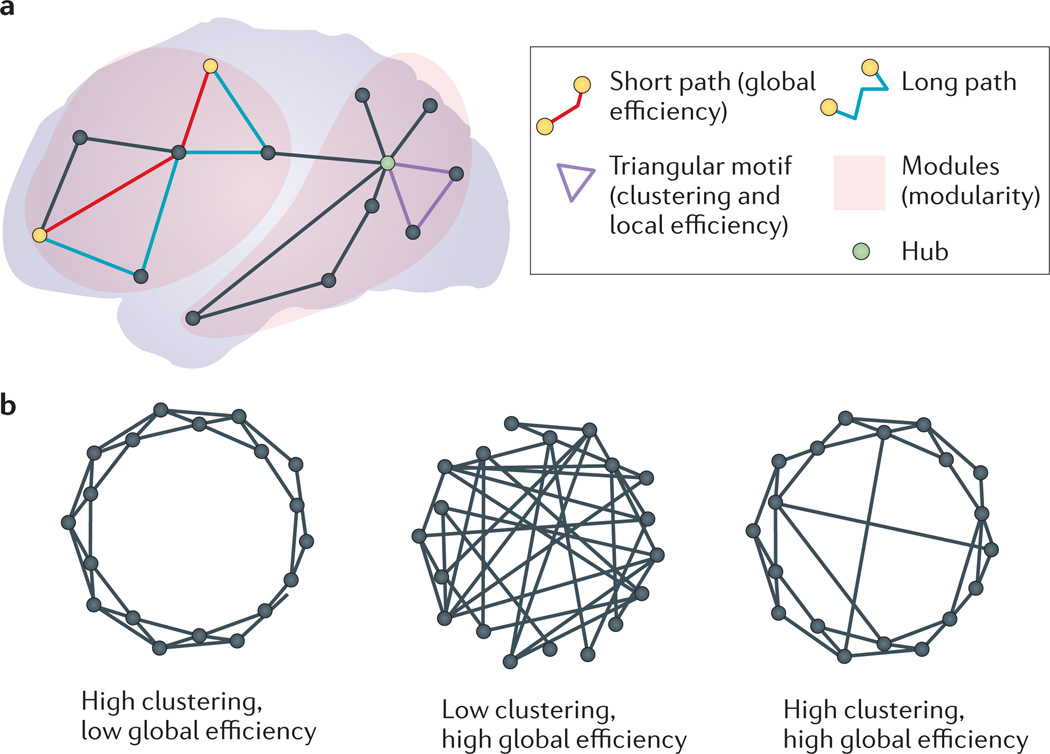
Figure 1
Figure 1. Schematics of network properties
a | A simulated network is used to illustrate common terms in network analysis. Nodes are represented as circles, and edges are represented as lines. Networks with short paths between most nodes have high global efficiency. Networks with many triangular motifs tend to have high nodal clustering and local efficiency. A disproportionate number of paths between nodes pass through network hubs. Nodes within the same module are connected by many edges, whereas nodes in different modules are connected by relatively fewer edges. b | An example of a network with high clustering but low global efficiency is shown on the left, an example of a network with low clustering but high global efficiency is shown in the middle, and an example of an intermediate (small-world) network with both relatively high clustering and relatively high global efficiency is shown on the right.
Figure 2
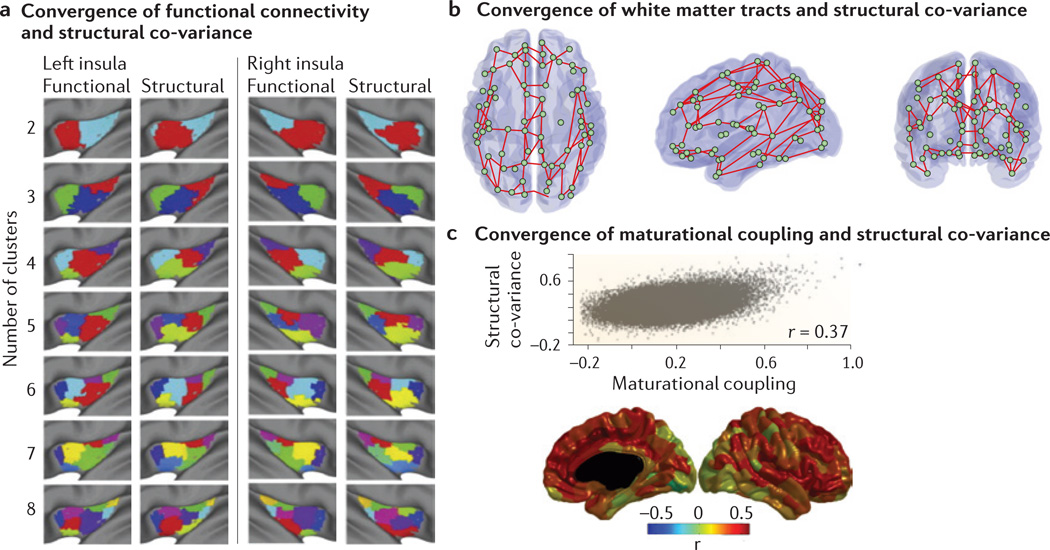
Figure 2. Co-variance may reflect connectivity
a | Clustering of the left and right insula into subregions reveals similar regional boundaries when the clustering is based on resting-state functional MRI functional connectivity data (‘functional’) as when it is based on grey matter co-variance (‘structural’). The similarity of these ‘clusters’ (indicated by different colours in the figure) is consistent with the idea that functional connectivity influences patterns of structural co-variance. b | Pairs of regions that have both high cortical thickness co-variance (that is, structural co-variance) and white matter tract connectivity (based on diffusion MRI) in the same group of subjects are shown on a transparent rendering of the brain. Circles represent network nodes and lines indicate reliable convergence between diffusion MRI and structural co-variance. This convergence is stronger between regions that are close in anatomical space and weaker between regions separated by long distances, illustrating both similarities and differences between white matter connectivity and structural co-variance. c | Structural co-variance, which here is derived from inter-regional correlations in cross-sectional measurements of cortical thickness, may reflect ‘maturational coupling.’ Maturational coupling was defined via a two-step process: first, the linear rate of change in cortical thickness from the age of 9 to 22 years was estimated for a group of subjects with multiple longitudinal MRI scans; and second, inter-individual differences in these rates of change were correlated between regions across the cortex. The correlation between structural co-variance and maturational coupling (r = 0.37) — measured across all pairs of brain regions in the same group of subjects — indicates the inter-dependence of these measures (top panel). The brain maps (bottom panel) illustrate these correlations in a region-specific fashion, showing that the level of convergence (shown by the colour, a warmer colour indicating a stronger convergence) between maturational coupling and structural co-variance is anatomically heterogeneous (non-cortical areas are blacked out). Part a is modified, with permission, from REF. © (2012) Elsevier. Part b is modified, with permission, from REF. © (2012) Elsevier. Part c is modified, with permission, from REF. © (2013) Society for Neuroscience.
Figure 3
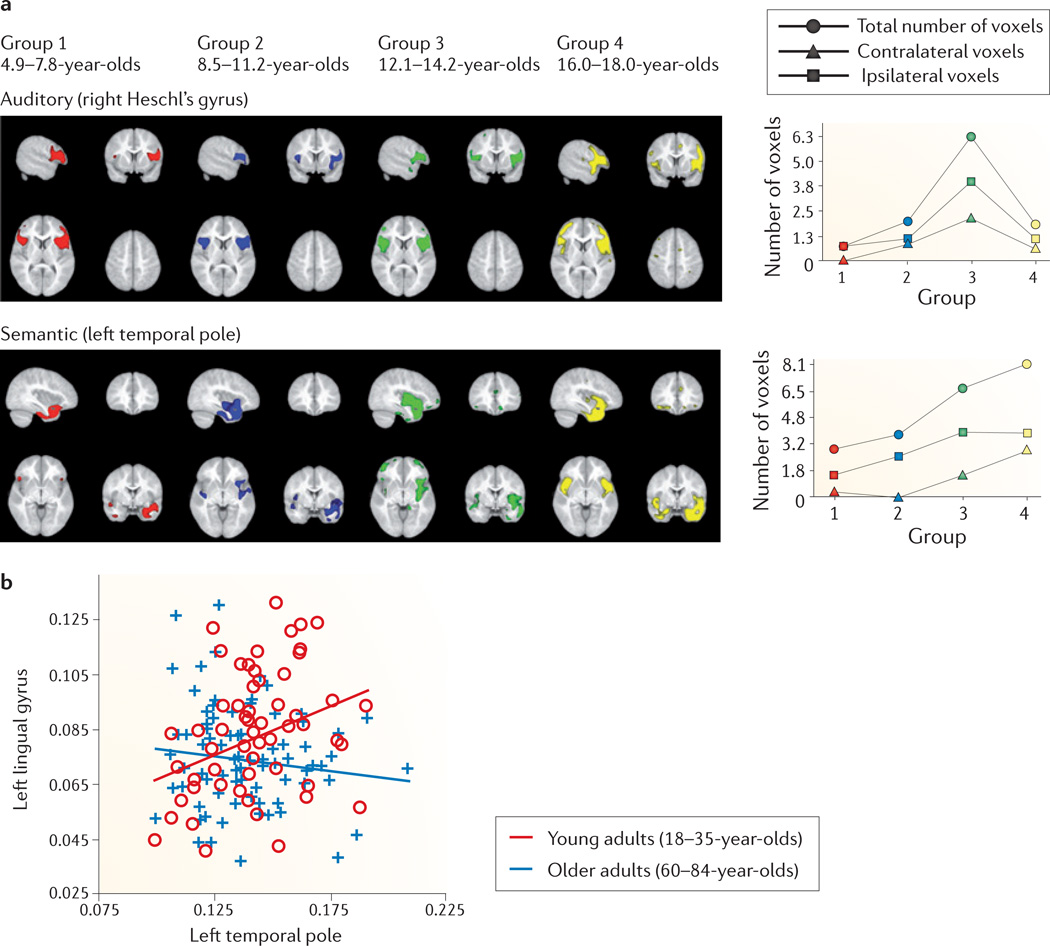
Figure 3. Structural co-variance networks change across the human lifespan
a | In 5–18-year-olds, certain seed-based grey matter co-variance networks, such as the primary auditory network (top, coloured areas) seeded from right Heschl’s gyrus, peak during adolescence (in 12–14-year-olds) in terms of the total number of voxels, ipsilateral voxels and contralateral voxels that are correlated with the seed voxels. Other co-variance networks, such as the semantic language network (bottom) seeded from the left temporal pole, grow across the age range in terms of the number of other voxels correlated with the seed voxels. These different maturational trajectories may have functional significance, as primary sensory networks tend to peak in the number of voxels correlated with the seed voxels during adolescence, whereas many cognitive and language networks grow in the number of voxels correlated with the seed voxels through the eighteenth year of life. b | Correlations within the semantic language network and several other networks that tend to grow in strength from 5 to 18 years of age show a reversal in later years. For example, structural co-variance between the left lingual gyrus and the seed voxel of the semantic language network in the left temporal pole is positive in younger adults (18–24-year-olds) but not in older adults (60–84-year-olds). Part a is modified, with permission, from REF. © (2010) National Academy of Sciences. Part b is modified, with permission, from REF. © (2012) Elsevier.
Figure 4
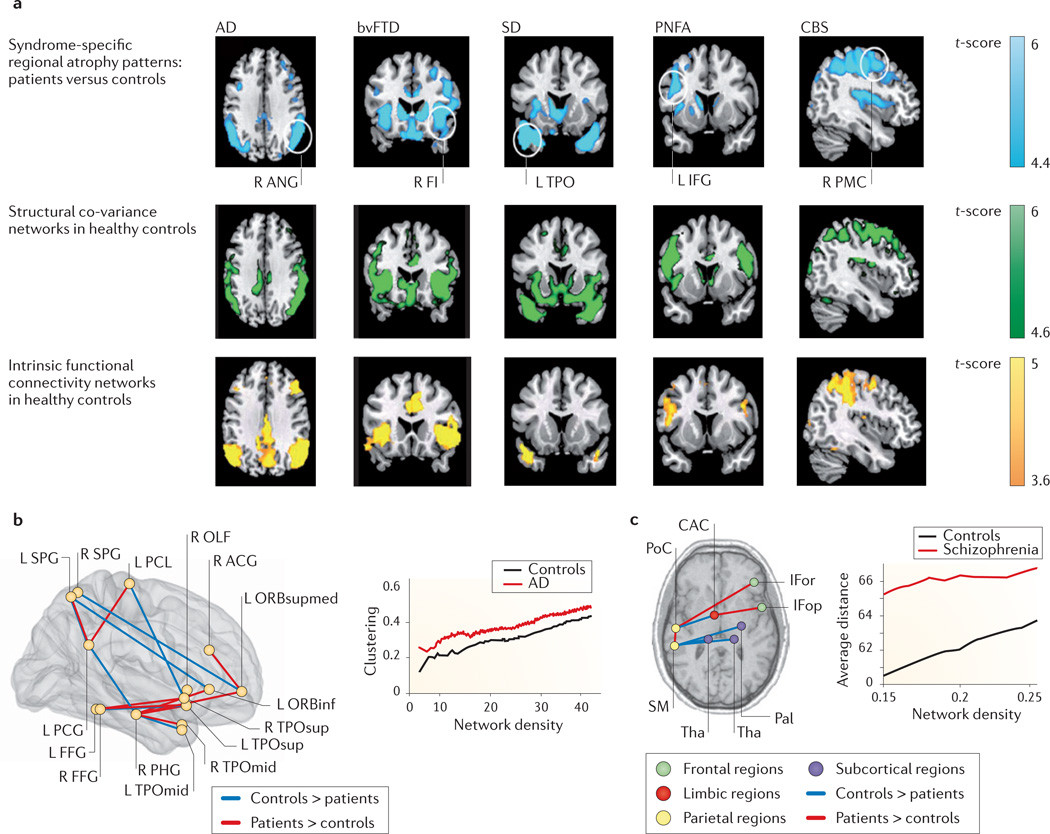
Figure 4. Structural co-variance networks are altered in disease
a | Seed-based structural co-variance networks (green) and intrinsic functional connectivity networks (yellow) in healthy individuals, using, as seed regions, the foci of grey matter loss in different samples of patients with five neurodegenerative diseases (blue). These include the right angular gyrus (R ANG) in Alzheimer’s disease (AD); right frontal insula (R FI) in behavioural variant frontotemporal dementia (bvFTD); left temporal pole (L TPO) in semantic dementia (SD); left inferior frontal gyrus (L IFG) in progressive non-fluent aphasia (PNFA); and the right premotor cortex (R PMC) in corticobasal syndrome (CBS). The pattern of grey matter loss in patients recapitulates the patterns of structural co-variance and functional MRI functional connectivity in healthy individuals. This suggests that these diseases may target structural co-variance networks and that these structural co-variance networks are also functionally significant in the healthy brain. b | Structural co-variance alterations in AD. The brain map (left) shows specific regions whose structural correlations are higher (red lines) or lower (blue lines) in patients with AD compared with control subjects. These regions include the paracentral lobule (PCL), superior parietal gyrus (SPG), posterior cingulate gyrus (PCG), anterior cingulate gyrus (ACG), olfactory cortex (OLF), inferior orbital cortex (ORBinf), superior medial orbital cortex (ORBsupmed), fusiform gyrus (FFG), parahippocampal gyrus (PHG), superior temporal pole (TPOsup) and middle temporal pole (TPOmid). At the network level (right), the AD network shows abnormally high clustering, indicating greater local agglomeration of connected nodes. c | Structural co-variance alterations in schizophrenia. The brain map (left) illustrates specific regions in which structural correlations are higher (red lines) or lower (blue lines) in patients with schizophrenia compared with control subjects. These regions include the postcentral cortex (PoC); supramarginal cortex (SM); inferior frontal cortex, orbital part (IFor); inferior frontal cortex, opercular part (IFop); caudal anterior cingulate (CAC); pallidum (Pal); and thalamus (Tha). At the network level (right), the average distance between connected nodes is longer in schizophrenia, suggesting that pairs of regions with the strongest structural co-variance are less close to each other in the patient group. Results are shown across a range of network ‘density’, which indicates the proportion of the strongest pairwise correlations included as edges in the graph models. Part a is modified, with permission, from REF. © (2009) Cell Press. Part b (left) is modified from REF. . Part b (right) is modified, with permission, from REF. © (2008) Society for Neuroscience. Part c (left) is modified, with permission, from REF. © (2012) Elsevier. Part c (right) is modified, with permission, from REF. © (2008) Society for Neuroscience.

References

    1. Kennedy DN, et al. Gyri of the human neocortex: an MRI-based analysis of volume and variance. Cereb. Cortex. 1998;8:372–384. - PubMed
    1. Lerch JP, et al. Mapping anatomical correlations across cerebral cortex (MACACC) using cortical thickness from MRI. Neuroimage. 2006;31:993–1003. This is the first study to look at the co-variance of thickness across the cortex and the development of structural co-variance during childhood and adolescence, introducing several key methodological approaches.

    1. Andrews TJ, Halpern SD, Purves D. Correlated size variations in human visual cortex, lateral geniculate nucleus, and optic tract. J. Neurosci. 1997;17:2859–2868. A post-mortem anatomical study showing correlations between the sizes of different areas of the visual system.

    1. White LE, et al. Structure of the human sensorimotor system. II: Lateral symmetry. Cereb. Cortex. 1997;7:31–47. - PubMed
    1. Bohbot VD, Lerch J, Thorndycraft B, Iaria G, Zijdenbos AP. Gray matter differences correlate with spontaneous strategies in a human virtual navigation task. J. Neurosci. 2007;27:10078–10083. - PMC - PubMed

Publication types

LinkOut - more resources