


Meeting and exceeding dairy recommendations: effects of dairy consumption on nutrient intakes and risk of chronic disease
- PMID: 23550782
- PMCID: PMC3644863
- DOI: 10.1111/nure.12007
Meeting and exceeding dairy recommendations: effects of dairy consumption on nutrient intakes and risk of chronic disease
Abstract
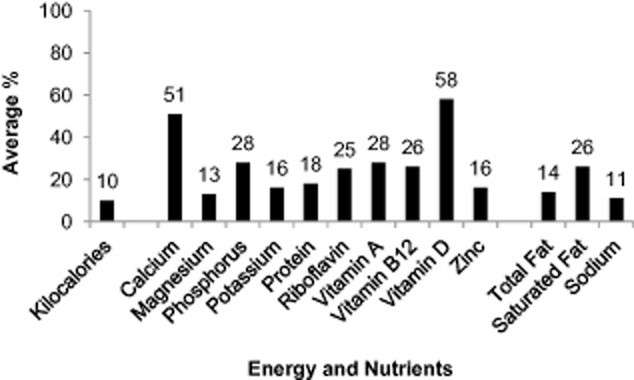
The 2010 Dietary Guidelines for Americans indicate the US population is experiencing an epidemic of overweight and obesity while maintaining a nutrient-poor, energy-dense diet associated with an increased risk of osteoarthritis, cardiovascular disease, and type 2 diabetes. To build upon the review of published research in the Report of the Dietary Guidelines Advisory Committee on the Dietary Guidelines for Americans, 2010, this article aims to review the scientific literature pertaining to the consumption of dairy foods and the effects of dairy consumption on nutrient intakes and chronic disease risk published between June 2010, when the report was released, and September 2011. PubMed was searched for articles using the following key words: dairy, milk, nutrient intake, bone health, body composition, cardiovascular disease, type 2 diabetes, and blood pressure. Evidence indicates that increasing dairy consumption to the recommended amount, i.e., three servings daily for individuals ≥9 years of age, helps close gaps between current nutrient intakes and recommendations. Consuming more than three servings of dairy per day leads to better nutrient status and improved bone health and is associated with lower blood pressure and reduced risk of cardiovascular disease and type 2 diabetes.
© 2013 International Life Sciences Institute.
Figures
References
-
- Flegal KM, Carroll MD, Ogden CL, et al. Prevalence and trends in obesity among US adults, 1999–2008. JAMA. 2010;303:235–241. - PubMed
-
- Ogden CL, Carroll MD, Curtin LR, et al. Prevalence of high body mass index in US children and adolescents, 2007–2008. JAMA. 2010;303:242–249. - PubMed
-
- US Department of Health and Human Services, US Department of Agriculture, US Dietary Guidelines Advisory Committee. Dietary Guidelines for Americans, 2010. 7th ed. Washington, DC: Government Printing Office; 2010.
Publication types
MeSH terms
Substances
LinkOut - more resources
Full Text Sources
Other Literature Sources
Medical
