Review
. 2013 Sep;37(5):830-48.
doi: 10.1111/1574-6976.12022. Epub 2013 Apr 22.

Quantifying the metabolic activities of human-associated microbial communities across multiple ecological scales

Affiliations
Review

Quantifying the metabolic activities of human-associated microbial communities across multiple ecological scales

Corinne F Maurice et al. FEMS Microbiol Rev. 2013 Sep.

Abstract

Humans are home to complex microbial communities, whose aggregate genomes and their encoded metabolic activities are referred to as the human microbiome. Recently, researchers have begun to appreciate that different human body habitats and the activities of their resident microorganisms can be better understood in ecological terms, as a range of spatial scales encompassing single cells, guilds of microorganisms responsive to a similar substrate, microbial communities, body habitats, and host populations. However, the bulk of the work to date has focused on studies of culturable microorganisms in isolation or on DNA sequencing-based surveys of microbial diversity in small-to-moderate-sized cohorts of individuals. Here, we discuss recent work that highlights the potential for assessing the human microbiome at a range of spatial scales, and for developing novel techniques that bridge multiple levels: for example, through the combination of single-cell methods and metagenomic sequencing. These studies promise to not only provide a much-needed epidemiological and ecological context for mechanistic studies of culturable and genetically tractable microorganisms, but may also lead to the discovery of fundamental rules that govern the assembly and function of host-associated microbial communities.

Keywords: human microbiome; metabolic activity; metagenomics; microbial ecology; microbiota; single-cell analysis.


Figures

Figure 1
Figure 1. Viewing the human microbiome across multiple spatial scales
Information gathered at each successive scale may inform the others: ranging from single cell methods to analyses of microbial guilds active on a common substrate, microbial communities (e.g. tongue, ileum, or axilla), body habitats (e.g. the entire gastrointestinal tract), individuals, small to moderately sized cohorts, and finally large-scale epidemiological studies. A variety of techniques exist to assess microbial diversity and function at each scale (Table 1), but more work needs to be done to develop methods for integrating findings across different levels.
Figure 2
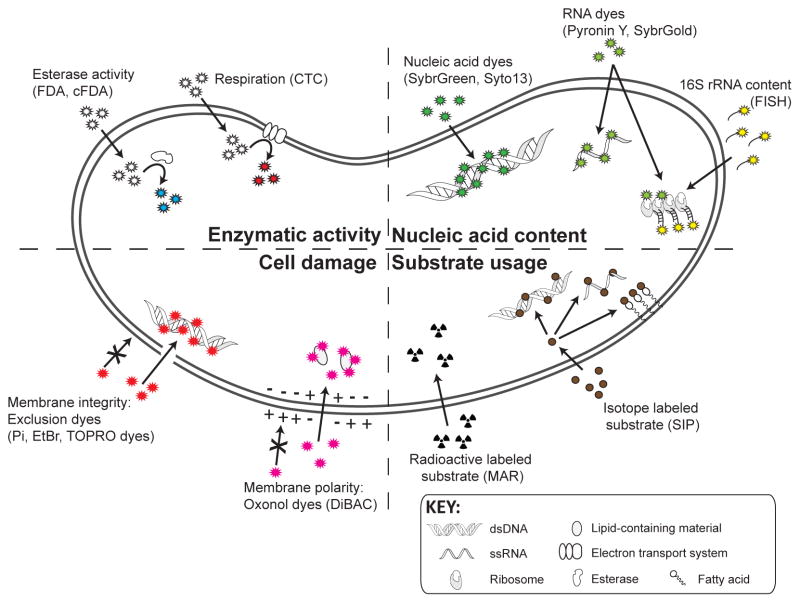
Figure 2. Quantifying metabolic activity with single cell methods
Single cell tools enable the measurement of (i) enzymatic activity, (ii) nucleic acid content, (iii) cell damage, and (iv) substrate usage. FDA and cFDA are enzymatically activated by esterases to their fluorescent form; CTC becomes fluorescent upon reduction by the electron transport system. Nucleic acid content (DNA, RNA, or 16S ribosomal RNA) can be determined with multiple fluorescent dyes or FISH. Cell damage can be monitored by nucleic acid dyes that are excluded by microbial cells with an intact membrane because of their size, structure, and/or insolubility in the hydrophobic membrane phase. Oxonol dyes are anionic dyes binding to lipid-containing intracellular material, generally excluded from healthy cells by their membrane polarity. Substrates of interest can be either radioactively or stable isotope labeled, prior to their uptake and conversion to nucleic acids and lipids. Abbreviations include the following: double-stranded deoxyribonucleic acid (dsDNA); ethidium bromide (EtBr); fluorescein diacetate (FDA); carboxyfluoresceine diacetate (cFDA); 5-cyano-2,3-ditolyltetrazolium chloride (CTC); fluorescence in situ hybridization (FISH); Propidium iodide (Pi); microautoradiography (MAR); single-stranded ribonucleic acid (ssRNA); and stable isotope probing (SIP).
Figure 3
Figure 3. Assessing activity and cell damage in the human gut microbiota
(A) Baseline proportions of cells with detectable damage, as indicated by loss of membrane polarity (DiBAC) and/or membrane integrity [propidium iodide (Pi)]. Pi+ cells are included here as a subset of the DiBAC+ population. The split between highly active (HNA) and less active (LNA) cells is also shown based on SybrGreen staining of total nucleic acids. (B) Increased cell damage after exposure to antibiotics. (C) The abundance of bacterial phyla in each physiological subset. Data for each panel represents the average values across 3 unrelated healthy individuals (Maurice, et al., 2013).

References

    1. Amann R, Fuchs BM, Behrens S. The identification of microorganisms by fluorescence in situ hybridisation. Curr Opin Biotechnol. 2001;12:231–236. - PubMed
    1. Amann RI, Ludwig W, Schleifer KH. Phylogenetic Identification and in-Situ Detection of Individual Microbial-Cells without Cultivation. Microbiol Rev. 1995;59:143–169. - PMC - PubMed
    1. Apajalahti JHA, Kettunen A, Nurminen PH, Jatila H, Holben WE. Selective plating underestimates abundance and shows differential recovery of bifidobacterial species from human feces. Appl Environ Microbiol. 2003;69:5731–5735. - PMC - PubMed
    1. Arku B, Fanning S, Jordan K. Flow cytometry to assess biochemical pathways in heat-stressed Cronobacter spp. (formerly Enterobacter sakazakii) J Appl Microbiol. 2011;111:616–624. - PubMed

    1. Arumugam M, Raes J, Pelletier E, et al. Enterotypes of the human gut microbiome. Nature. 2011;473:174–180. - PMC - PubMed

Publication types