


A high precision feature based on LBP and Gabor theory for face recognition
- PMID: 23552103
- PMCID: PMC3673096
- DOI: 10.3390/s130404499
A high precision feature based on LBP and Gabor theory for face recognition
Abstract
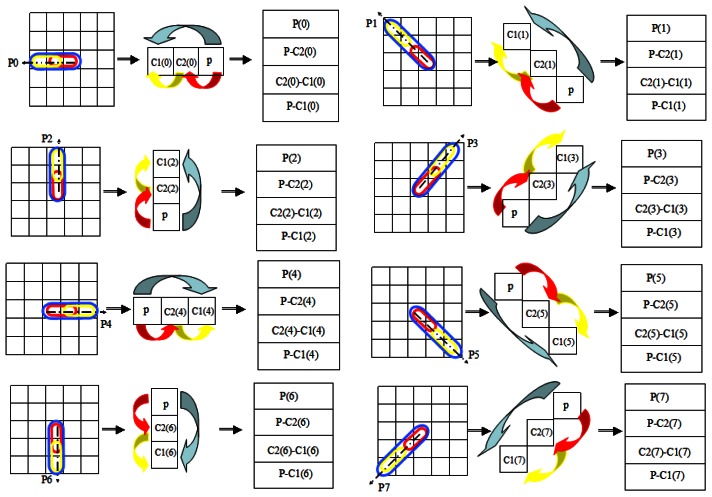
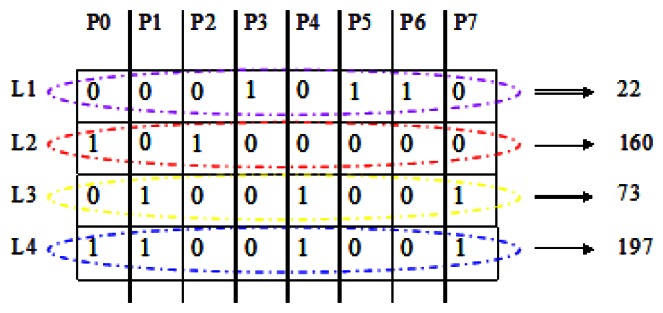
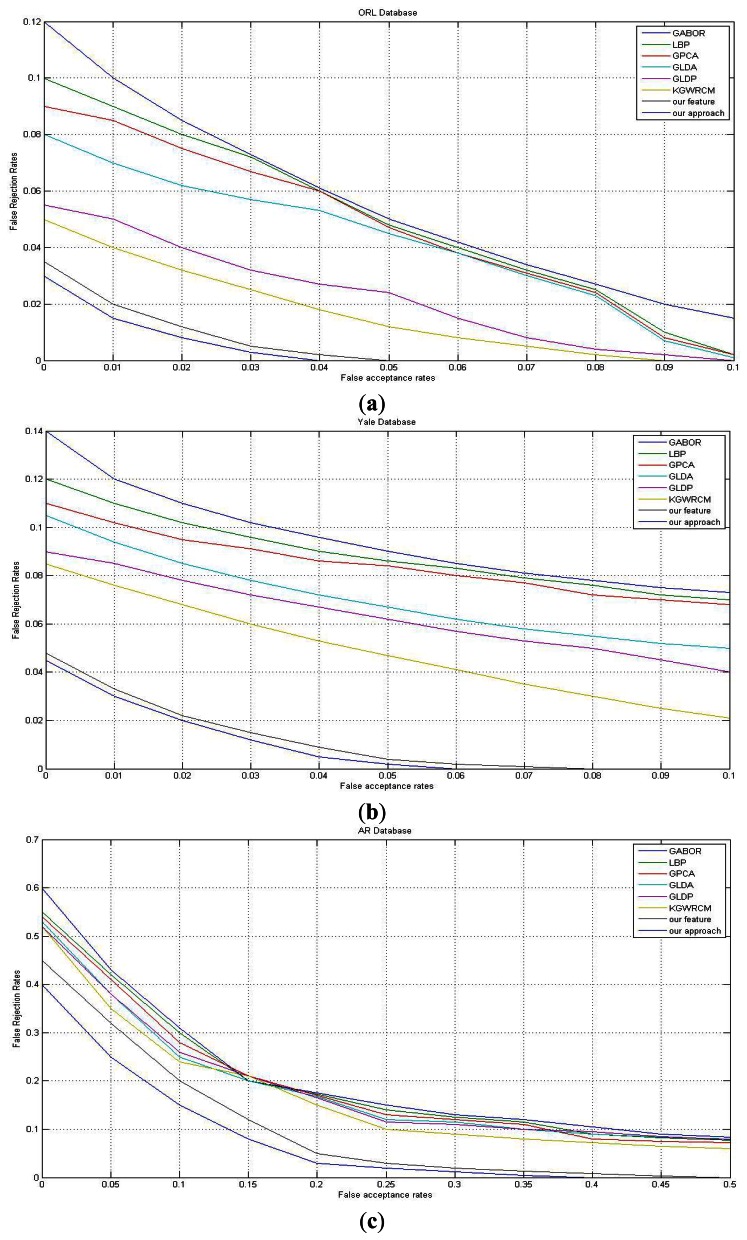
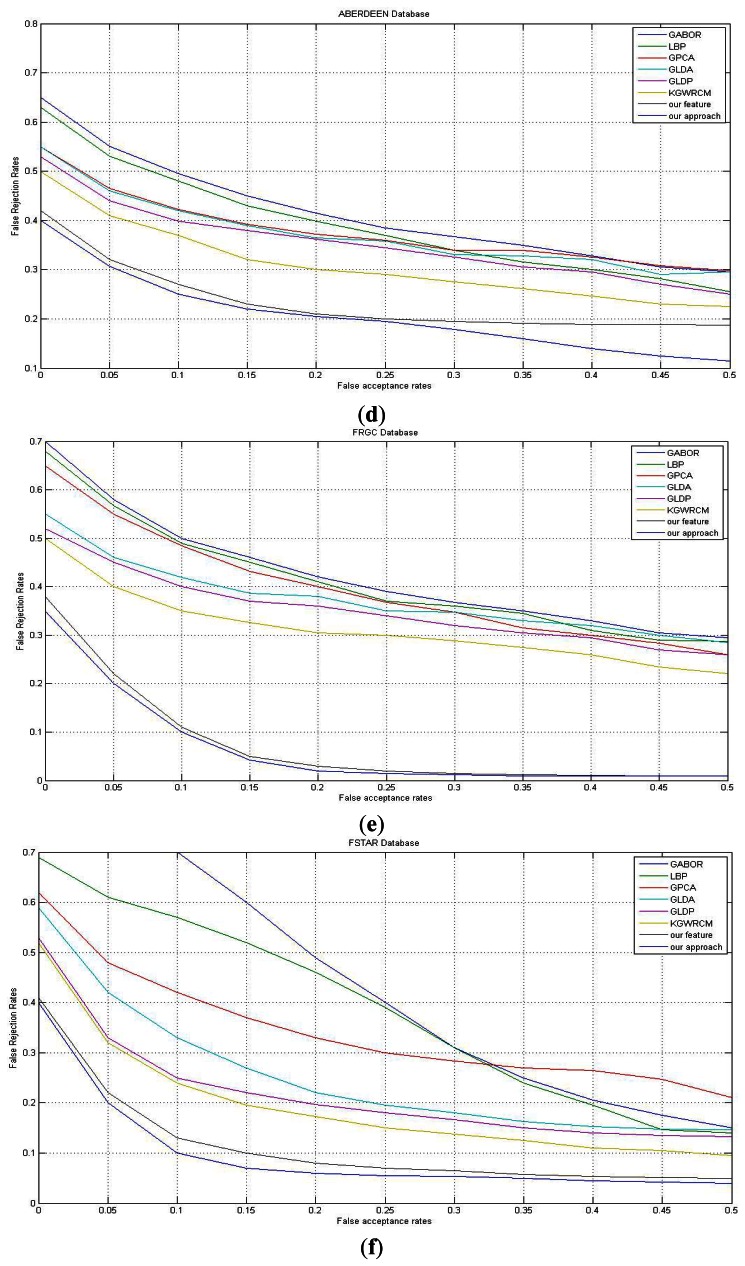
How to describe an image accurately with the most useful information but at the same time the least useless information is a basic problem in the recognition field. In this paper, a novel and high precision feature called BG2D2LRP is proposed, accompanied with a corresponding face recognition system. The feature contains both static texture differences and dynamic contour trends. It is based on Gabor and LBP theory, operated by various kinds of transformations such as block, second derivative, direct orientation, layer and finally fusion in a particular way. Seven well-known face databases such as FRGC, AR, FERET and so on are used to evaluate the veracity and robustness of the proposed feature. A maximum improvement of 29.41% is achieved comparing with other methods. Besides, the ROC curve provides a satisfactory figure. Those experimental results strongly demonstrate the feasibility and superiority of the new feature and method.
Figures






References
-
- Zhao W., Chellappa R., Phillips P.J., Rosenfeld A. Face recognition: A literature survey. ACM Comput. Surv. 2003;4:34–38.
-
- Zheng M., Xu Z., Yu T., Li R. New Modified Algorithms of PCA Face Recognition. Proceedings of Oxide Materials for Electronic Engineering (OMEE); Lviv, Ukraine. 10–15 September 2012; pp. 121–124.
-
- Salan T., Iftekharuddin K.M. Large Pose Invariant Face Recognition Using Feature-Based Recurrent Neural Network. Proceedings of the 2012 International Joint Conference on Neural Networks (IJCNN); Brisbane, Australia. 10–15 June 2012; pp. 1–7.
-
- Liao S., Chung A.C.S. A Novel Markov Random Field Based Deformable Model for Face Recognition. Proceedings of the Computer Vision and Pattern Recognition (CVPR); Hong Kong, China. 13–18 June 2010; pp. 2675–2682.
-
- Wright J., Yang A.Y., Ganesh A., Sastry S.S., Ma Y. Robust face recognition via sparse representation. IEEE Trans. Pattern Anal. Mach. Intell. 2009;31:210–227. - PubMed
Publication types
MeSH terms
LinkOut - more resources
Full Text Sources
Other Literature Sources
Research Materials
Miscellaneous
