


Effects of lysed Enterococcus faecalis FK-23 on experimental allergic rhinitis in a murine model
- PMID: 23554753
- PMCID: PMC3596073
- DOI: 10.7555/JBR.26.20120023
Effects of lysed Enterococcus faecalis FK-23 on experimental allergic rhinitis in a murine model
Abstract
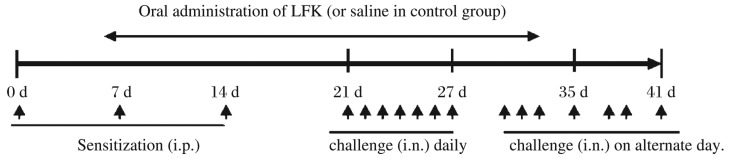
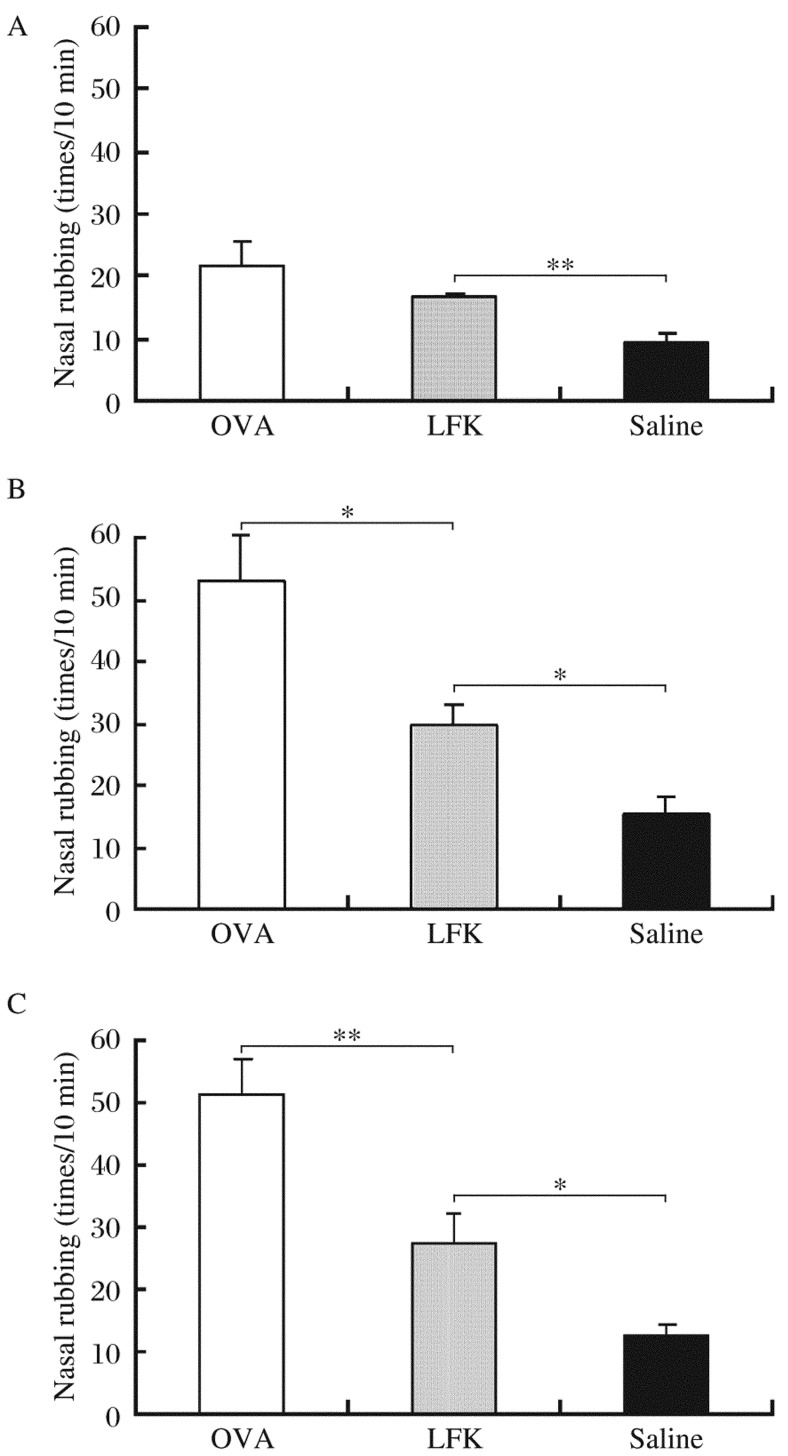
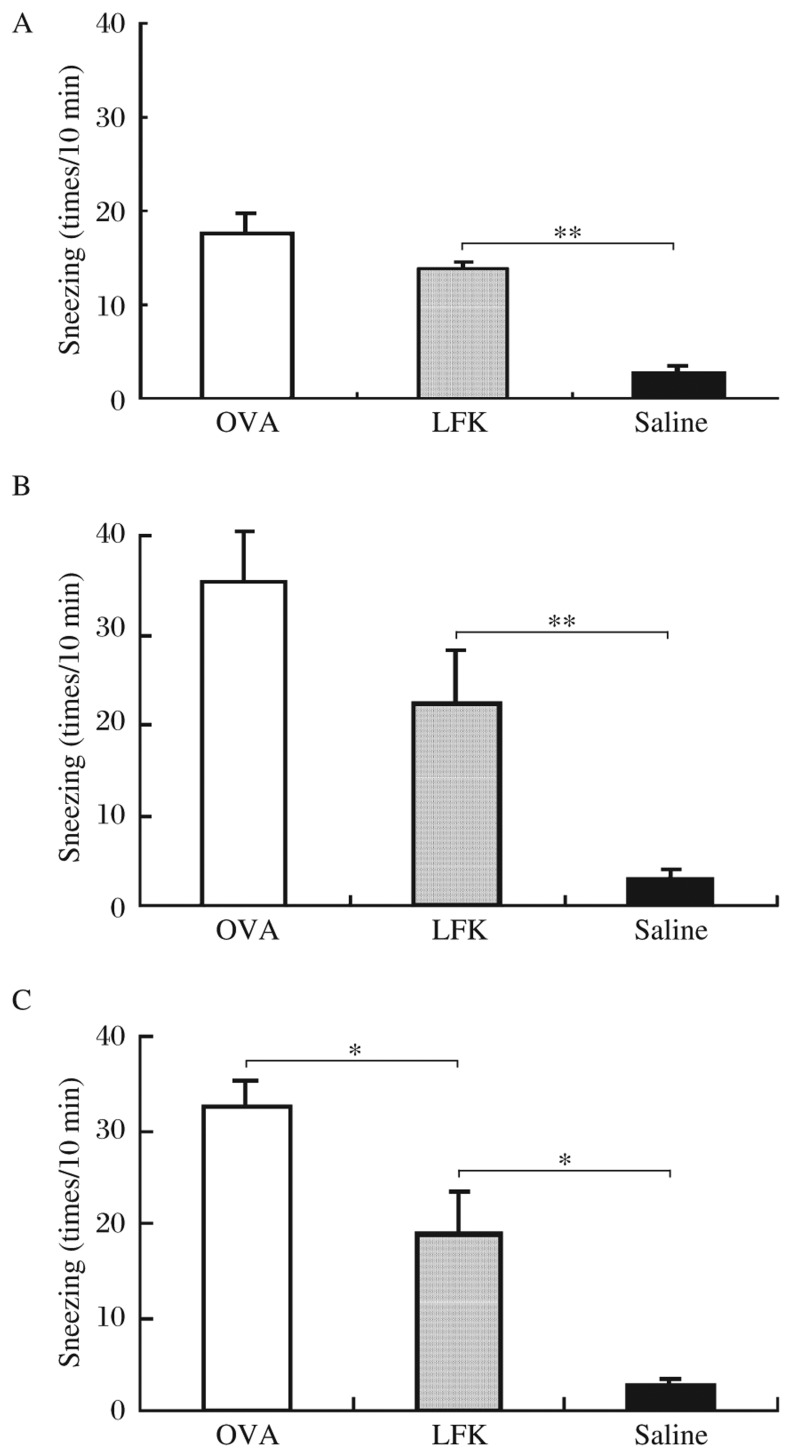
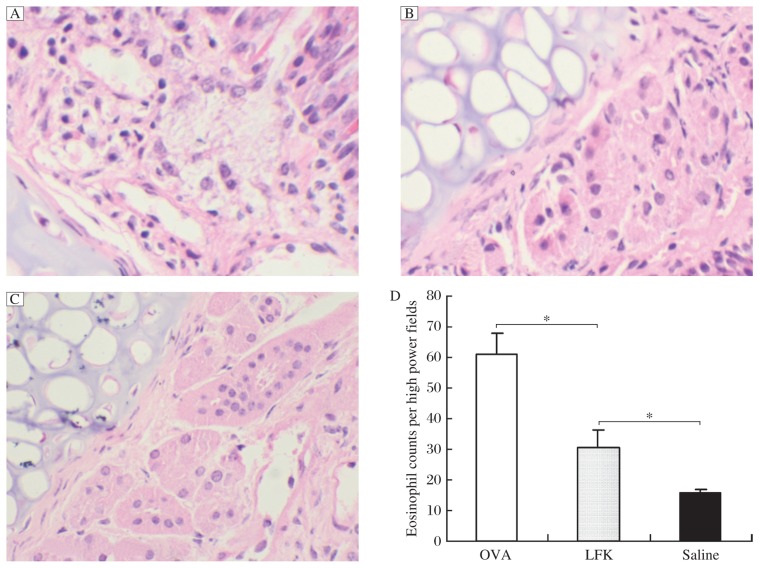
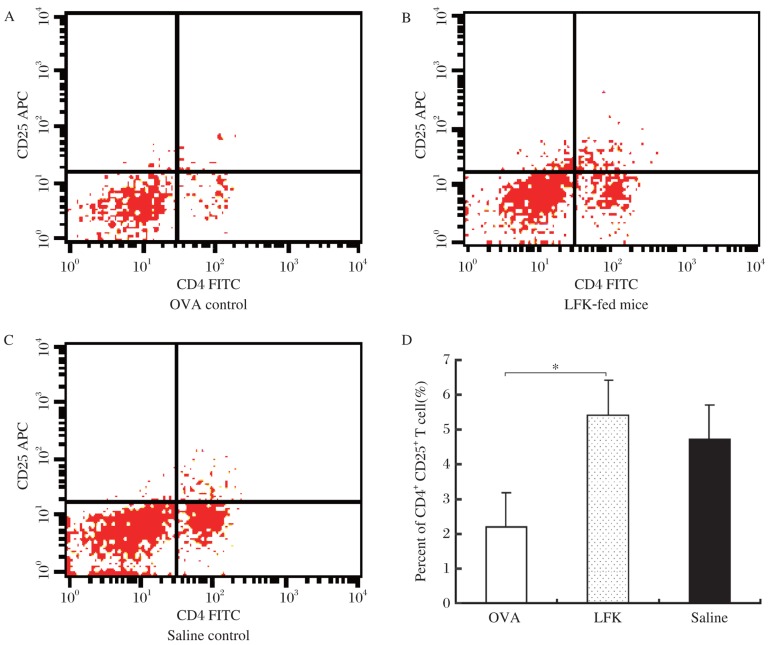
In the current study, we sought to investigate whether lysed Enterococcus faecalis FK-23 (LFK), a heat-killed probiotic preparation, attenuated eosinophil influx into the upper airway and had immunomodulatory activity in a murine allergic rhinitis model. Eighteen BALB/c mice were divided into three groups; the ovalbumin (OVA)-sensitized/challenged group, which received saline orally for 6 weeks (OVA group), the OVA-sensitized/challenged group, which received LFK orally for 6 weeks (LFK-fed group), and the non-sensitized group, which received saline for 6 weeks (saline control group). Nasal rubbing and sneezing were monitored during the study. After the final challenge, interleukin (IL)-4, interferon (IFN)-γ, and OVA-specific IgE levels in the sera and splenocyte culture supernatants were determined, eosinophilic infiltrate into the upper airway was quantified, and splenic CD4+CD25+ regulatory T cells (Tregs) were examined by flow cytometry. We found that nasal rubbing was significantly reduced in LFK-fed mice compared to the OVA group on d 27 and 35, and sneezing was significantly inhibited by LFK administration for 35 d. LFK-fed mice had significantly less eosinophil influx into the nasal mucosa than the OVA group. There were no significant differences between the LFK-fed group and OVA group in the serum and splenocyte culture supernatant levels of IL-4, IFN-γ, and OVA-specific IgE. Interestingly, the LFK-fed mice had a significantly greater percentage of splenic CD4+CD25+ Tregs than OVA group. Our results indicate that oral administration of LFK may alleviate nasal symptoms, reduce nasal eosinophilia, and increase the percentage of CD4+CD25+ Tregs in experimental allergic rhinitis.
Keywords: Enterococcus faecalis; allergic rhinitis; cytokines; eosinophils; mice; probiotics; regulatory T-lymphocytes.
Conflict of interest statement
The authors reported no conflict of interest.
Figures
References
-
- Guarner F, Schaafsma GJ. Probiotics. Int J Food Microbiol. 1998;39:237–8. - PubMed
-
- Gionchetti P, Rizzello F, Helwig U, Venturi A, Lammers KM, Brigidi P, et al. Prophylaxis of pouchitis onset with probiotic therapy: a double-blind, placebo-controlled trial. Gastroenterology. 2003;124:1202–9. - PubMed
-
- O'Mahony L, McCarthy J, Kelly P, Hurley G, Luo F, Chen K, et al. Lactobacillus and Bifidobacterium in irritable bowel syndrome: symptom responses and relationship to cytokine profiles. Gastroenterology. 2005;128:541–51. - PubMed
-
- Shida K, Nanno M, Nagata S. Flexible cytokine production by macrophages and T cells in response to probiotic bacteria: a possible mechanism by which probiotics exert multifunctional immune regulatory activities. Gut Microbes. 2011;2:109–14. - PubMed
LinkOut - more resources
Full Text Sources
Research Materials
